
Table of Contents
ToggleIran Responds to US War Proposal Through Pakistan in 3 Explosive Moves
Iran Responds to US War Proposal as Ceasefire Faces Fresh Pressure
Tensions in the Middle East are once again rising after Iran officially answered the latest American offer aimed at ending the ongoing conflict. The development comes during a fragile ceasefire that has already shown signs of collapse, with both sides exchanging warnings and political pressure increasing by the day.
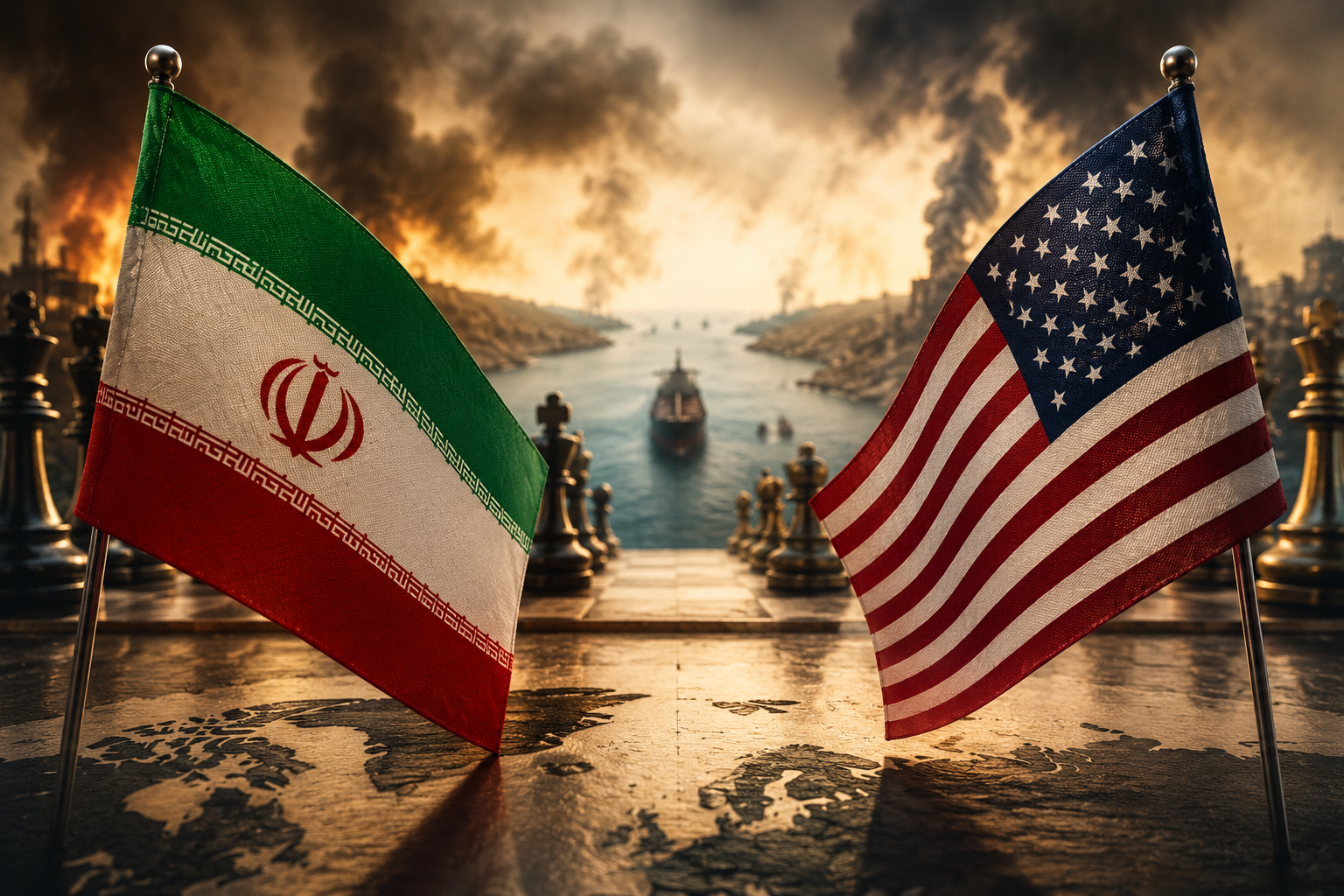
The latest update in the crisis has placed global attention back on diplomacy, sanctions, oil trade routes, and the possibility of another military escalation. As Iran Responds to US War Proposal, leaders across the world are closely watching what happens next.
Iran Sends Official Reply Through Pakistan
According to Iranian Foreign Ministry spokesman Esmaeil Baghaei, Tehran delivered its official response to Washington through Pakistan, which has been acting as a mediator between the two countries. The message reportedly includes several non-negotiable demands from Iran.
As Iran Responds to US War Proposal, Tehran has asked for the release of billions of dollars in frozen assets held abroad. Iranian officials are also demanding the complete removal of economic sanctions that have severely damaged the country’s economy over the years.
Iran says these conditions have remained consistent throughout every round of negotiations. Officials believe the United States must show practical commitment before any lasting peace agreement can move forward.
Ceasefire Remains Extremely Fragile
The ceasefire between Iran and the US-backed coalition has largely stopped six weeks of heavy fighting, but tensions remain dangerously high. Reports from regional media suggest both sides are preparing for the possibility that the truce could collapse at any moment.
As Iran Responds to US War Proposal, US President Donald Trump warned that “time is of the essence” and claimed the ceasefire was currently “on life support.”
His comments added further uncertainty to already difficult negotiations. Trump also suggested Iran must move quickly or face serious consequences, increasing fears of another military confrontation.
Iran Wants Sanctions Removed
One of Tehran’s biggest demands remains the lifting of US sanctions. Iranian officials argue the restrictions have unfairly targeted civilians, weakened trade, and blocked access to international financial systems.
As Iran Responds to US War Proposal, Iranian negotiators insist that sanctions relief must happen immediately and not gradually over several years. Tehran also wants unrestricted access to its frozen overseas assets, which officials say belong to the Iranian people.
Economic experts believe sanctions relief could help stabilize Iran’s struggling economy, improve regional trade, and reduce tensions in the Gulf region.
Strait of Hormuz Remains a Major Issue
Another key issue in negotiations is the Strait of Hormuz, one of the world’s most important oil shipping routes. Before the conflict intensified, nearly one-fifth of global oil and liquefied natural gas supplies passed through the narrow waterway.
As Iran Responds to US War Proposal, Tehran has reportedly insisted on maintaining control over the strategic route. Iranian media claims the country will continue managing the strait despite pressure from Washington.
The United States has demanded Iran remove restrictions affecting commercial traffic through the waterway. Global energy markets remain nervous because any disruption in the Strait of Hormuz could sharply increase oil prices worldwide.
US Demands on Iran’s Nuclear Program
Reports from Iranian media suggest Washington presented Tehran with a list of conditions tied to any permanent peace agreement. One major demand involves Iran’s nuclear activities.
As Iran Responds to US War Proposal, the US reportedly wants Iran to shut down most of its nuclear facilities and keep only one site operational. American officials are also said to have demanded the transfer of highly enriched uranium stockpiles out of Iran.
Tehran has strongly opposed those conditions, arguing that its nuclear program is part of its sovereign rights. Iranian leaders say they will not accept terms they believe threaten national security or independence.
Iran Seeks Compensation for War Damage
Iran is also requesting financial compensation for infrastructure damage caused during the recent conflict. Officials claim military strikes have harmed civilian areas, ports, and energy facilities.
As Iran Responds to US War Proposal, Tehran says any future agreement must include payments or reconstruction support to help repair economic and physical damage caused by the war.
Iran has additionally demanded an end to the US naval blockade affecting Iranian ports since April. Leaders in Tehran argue that continuing the blockade would make any peace deal meaningless.
Concerns About Another Military Escalation
Despite ongoing diplomacy, fears of renewed fighting continue growing. Reports indicate President Trump will meet national security advisers to discuss military options if negotiations fail.
As Iran Responds to US War Proposal, analysts believe the coming days could decide whether the region moves toward peace or another round of war.
Political experts say pressure from hawkish figures within Washington and from Israeli Prime Minister Benjamin Netanyahu could influence future American decisions.
Meanwhile, Iran insists it is fully prepared for any military escalation. Iranian officials warned they would respond strongly to what they called even the “smallest mistake” by opposing forces.
Global Markets Watching Closely
International markets are paying close attention to every update coming from the negotiations. Oil traders, shipping companies, and investors fear that renewed conflict could disrupt global energy supplies again.
As Iran Responds to US War Proposal, uncertainty in the Middle East continues affecting crude oil prices and investor confidence worldwide.
Financial analysts believe a successful agreement could lower tensions and stabilize markets. However, failure in talks may lead to higher oil prices, shipping delays, and broader economic uncertainty across Europe and Asia.
Pakistan’s Growing Diplomatic Role
Pakistan’s role as a mediator has also become increasingly important. Islamabad has maintained communication with both Tehran and Washington during the crisis.
As Iran Responds to US War Proposal, Pakistan appears to be positioning itself as a key diplomatic bridge between the two rivals. Political observers say the country’s involvement could help prevent direct military escalation if negotiations continue.
Pakistan’s mediation efforts have already drawn international attention, especially because both sides continue using diplomatic channels despite public threats and rising tensions.
What Happens Next?
The coming days may prove critical for the future of the ceasefire. Both Iran and the United States remain publicly firm on their demands, while regional tensions continue building.
As Iran Responds to US War Proposal, the world is watching whether diplomacy can succeed before another conflict erupts in the Middle East.
For now, negotiations remain uncertain. Iran wants sanctions lifted, frozen assets released, and control over the Strait of Hormuz maintained. The US continues demanding restrictions on Iran’s nuclear activities and broader security guarantees.
Whether these demands can be balanced through diplomacy will likely determine the next chapter of this crisis. One thing is clear: the outcome will not only affect Iran and the United States but also global energy markets, regional stability, and international politics for months to come.

Pingback: Iran Reviews US Proposal to End War as Pakistan Mediates, 3