
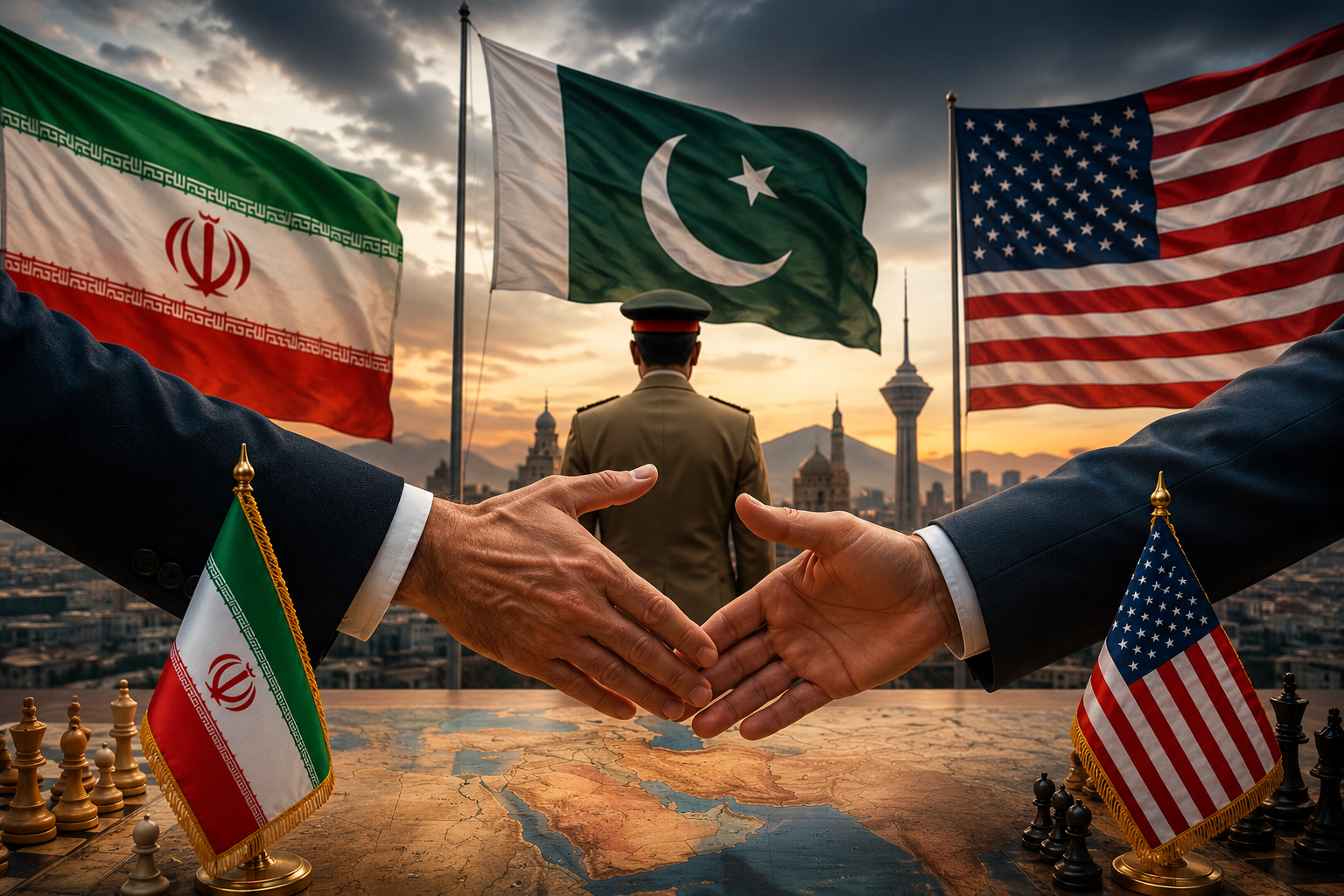
Iran Reviews US Proposal to End War as Pakistan Mediates, 3 Explosive Twists
Iran Reviews US Proposal to End War as Pakistan Pushes for Peace Talks
The Middle East remains on edge as tensions between Iran, the United States, and Israel continue to shape global politics. In a major diplomatic development, Iran Reviews US Proposal to End War while Pakistan increases its mediation efforts to prevent another round of devastating conflict. The situation has become one of the most closely watched geopolitical stories in the world, especially after renewed warnings from US President Donald Trump about possible military action.
Recent reports from Iranian media suggest that Pakistan’s military chief, Asim Munir, is expected to visit Tehran for high-level discussions aimed at reducing tensions and reviving stalled negotiations. This move highlights Pakistan’s growing role as a regional mediator at a time when diplomacy appears fragile.
Iran Reviews US Proposal to End War Amid Rising Pressure
According to Iran’s Foreign Ministry spokesperson Esmaeil Baghaei, Tehran has officially received the latest responses from Washington and is currently evaluating them. The announcement came through Iranian state-linked media and signals that discussions between both sides are still active despite months of hostility.
As Iran Reviews US Proposal to End War, global observers are carefully monitoring whether diplomacy can finally replace military confrontation. The conflict between the US, Israel, and Iran has already caused severe instability across the region, disrupted energy markets, and raised fears of a broader regional war.
Iran’s leadership appears cautious but open to negotiations. Iranian Foreign Minister Abbas Araghchi stated that Tehran is prepared for either diplomacy or renewed conflict depending on how events unfold.
He explained that Iran would continue defending its national interests while remaining willing to negotiate if conditions benefit the country. His comments underline the dual-track strategy Tehran is currently following.
Pakistan Strengthens Its Diplomatic Role
One of the biggest developments in the crisis is Pakistan’s increasing involvement. As Iran Reviews US Proposal to End War, Pakistan has emerged as one of the few countries maintaining communication with both Washington and Tehran.
Pakistani Interior Minister Mohsin Naqvi recently traveled to Iran for discussions related to the American proposal. This marks his second visit within a week, showing how seriously Islamabad is taking the situation.
Meanwhile, Field Marshal Asim Munir’s expected visit to Tehran could become a turning point in negotiations. Reports suggest the talks will focus on security cooperation, ceasefire arrangements, and long-term regional stability.
Pakistan previously hosted direct negotiations between American and Iranian officials earlier this year. Although those discussions eventually collapsed after disagreements over US demands, Pakistan’s leadership continues trying to bridge the gap between both sides.
The renewed mediation efforts show Islamabad’s desire to avoid further instability in the region, especially given the economic and security risks another war would create for neighboring countries.
Trump Issues Fresh Warning to Tehran
While diplomatic discussions continue, Washington’s tone remains aggressive. As Iran Reviews US Proposal to End War, President Donald Trump warned that negotiations are reaching a critical stage.
Speaking to reporters near Washington, Trump stated that the situation could “go very quickly” toward military action if the United States does not receive satisfactory responses from Tehran.
The comments added fresh uncertainty to already fragile talks. Trump has repeatedly issued deadlines for Iran during previous negotiations, only to later extend or delay them. However, analysts believe the current situation is more dangerous because military forces from multiple countries remain active in the region.
Despite the warnings, Trump also said he was willing to wait a few more days to receive Iran’s final response, suggesting that diplomacy still has a small chance to succeed.
Iran’s 14-Point Proposal Changes Negotiation Dynamics
As Iran Reviews US Proposal to End War, reports indicate Tehran has submitted a detailed 14-point counterproposal to Washington.
The proposal reportedly includes several major demands:
- Removal of US sanctions on Iran
- Release of frozen Iranian financial assets
- Compensation for war-related damages
- Withdrawal of US military forces
- Greater Iranian control over the Strait of Hormuz
The Strait of Hormuz remains one of the world’s most strategically important waterways because a large percentage of global oil shipments pass through it daily.
Political analysts believe Iran is using the issue as leverage during negotiations. By shifting attention away from its nuclear program and toward regional trade routes, Tehran may be trying to strengthen its bargaining position.
Experts say this strategy has forced Washington to rethink its diplomatic approach.
Analysts Believe Iran Holds Strong Negotiating Power
International political experts argue that Iran currently holds important advantages in the negotiations. As Iran Reviews US Proposal to End War, many analysts believe the United States is under pressure to avoid another costly military conflict in the Middle East.
Scott Lucas, a professor of international politics at University College Dublin, explained that Iran’s proposal has changed the conversation entirely. According to him, Tehran has successfully redirected focus toward the Strait of Hormuz instead of nuclear restrictions.
Lucas also pointed out that issues like Iran’s ballistic missile program and ties with regional armed groups are reportedly no longer central topics in the talks.
This shift may indicate that Washington is prioritizing de-escalation over broader strategic demands.
However, experts continue warning that the situation remains unpredictable because of Trump’s aggressive negotiating style and the military tensions already present in the region.
Military Threats Continue Alongside Diplomacy
Although negotiations are ongoing, military threats have not disappeared. As Iran Reviews US Proposal to End War, Iran’s Islamic Revolutionary Guard Corps issued a serious warning against any future attacks.
The group stated that if aggression against Iran continues, the conflict could expand beyond the Middle East and trigger a much wider regional war.
At the same time, the United States has maintained heavy military pressure on Tehran. Since April, Washington has reportedly enforced a naval blockade designed to pressure Iran economically and strategically.
American forces have intercepted multiple ships suspected of attempting to reach Iranian ports. US Central Command recently confirmed that another vessel was stopped and redirected after raising suspicions.
These actions continue increasing tensions even while diplomatic talks move forward.
Can Diplomacy Prevent Another War?
The biggest question facing the international community is whether diplomacy can succeed before military escalation resumes. As Iran Reviews US Proposal to End War, many countries are urging restraint and encouraging continued negotiations.
Pakistan’s mediation efforts could become especially important because Islamabad maintains relationships with both sides. If successful, Pakistan may help create a framework for future peace discussions and reduce the risk of another destructive war.
Still, the situation remains extremely sensitive. One military incident, political miscalculation, or failed negotiation could quickly push the region back toward open conflict.
For now, the world waits to see whether Tehran and Washington can find common ground.
Final Thoughts
As Iran Reviews US Proposal to End War, the Middle East stands at a critical crossroads between diplomacy and renewed warfare. Pakistan’s growing role as a mediator shows that regional powers are actively trying to prevent another major conflict.
The coming days will likely determine whether negotiations move toward a lasting agreement or collapse under mounting political and military pressure. With global energy markets, regional security, and international diplomacy all at stake, the outcome of these talks could shape the future of the Middle East for years to come.

Pingback: Israel Deports Gaza Aid Flotilla Activists Amid Global 7