
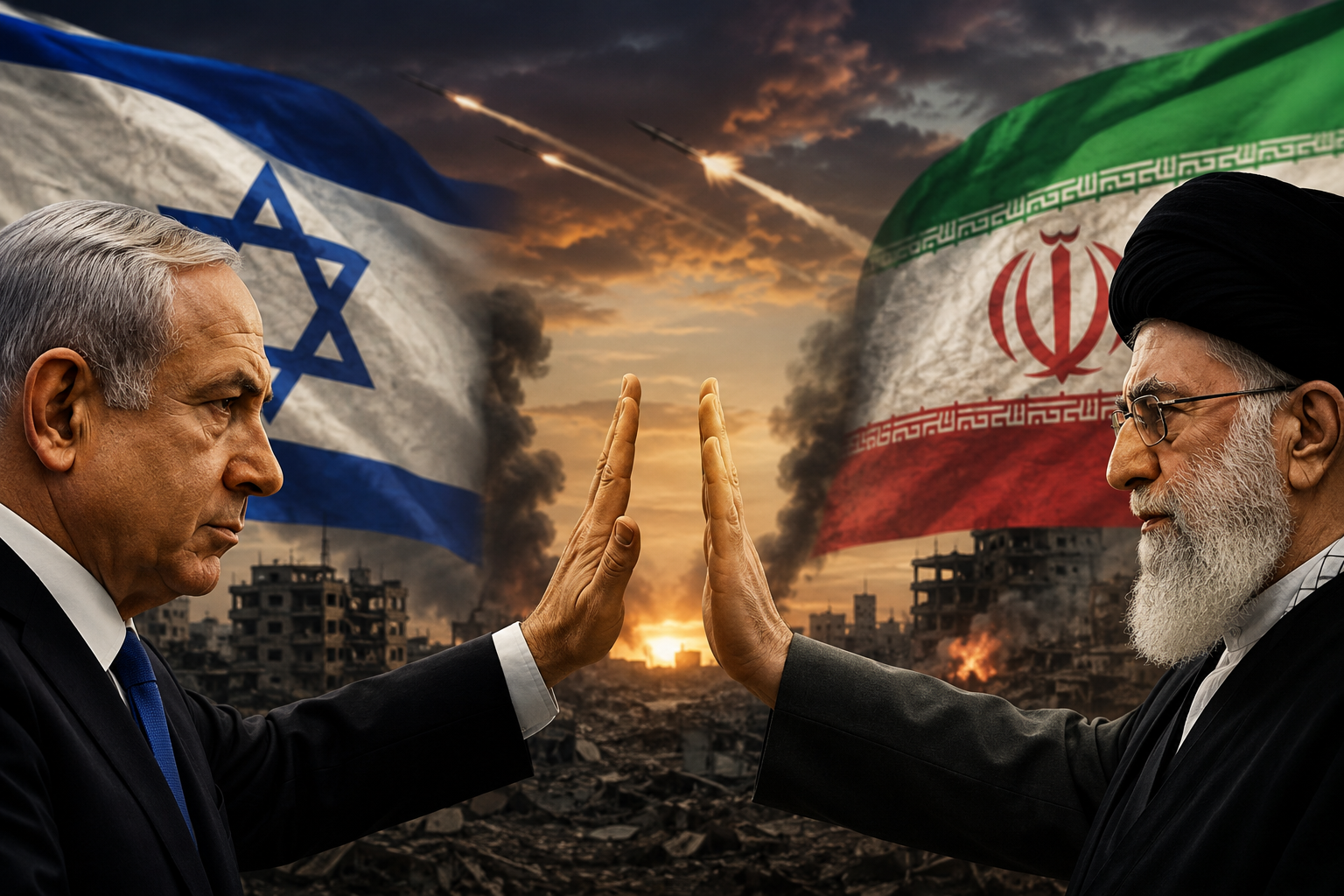
Iran and Israel Halt Strikes as 7 Dangerous Tensions Continue to Rise
Iran and Israel Halt Strikes 7 Shocking Developments as Tensions Continue Across the Middle East
The latest developments in the Middle East have brought a temporary sense of relief as Iran and Israel Halt Strikes following a dangerous escalation that threatened to push the region back into full-scale conflict. However, despite the pause in military action, leaders on both sides continue exchanging warnings, raising concerns that the ceasefire could be fragile and short-lived.
The announcement that Iran and Israel Halt Strikes came after a tense overnight exchange of missiles and drones, marking the first direct confrontation between the two nations since a ceasefire was established earlier this year. While the halt in attacks has eased immediate fears of a broader regional war, both Tehran and Tel Aviv have made it clear that they remain prepared for further military action if provoked.
Trump Reportedly Intervenes to Prevent Further Escalation
According to multiple media reports, United States President Donald Trump played a key role in reducing tensions. Reports suggest Trump spoke directly with Israeli Prime Minister Benjamin Netanyahu as concerns grew that the conflict could spiral out of control.
The decision that Iran and Israel Halt Strikes reportedly followed diplomatic efforts from Washington, with Trump urging restraint on both sides. Israeli media later reported that Israel agreed to pause additional attacks on Iran at Trump’s request.
Trump has repeatedly expressed confidence that a broader agreement can be reached with Tehran, potentially bringing long-term stability to the region and reopening critical trade routes such as the Strait of Hormuz.
Iran Issues Strong Warning Despite Ceasefire
Although Iran and Israel Halt Strikes, Iranian officials have warned that any future Israeli military action would trigger a severe response. Tehran stated that it remains committed to defending its interests and allies throughout the region.
Iran’s leadership emphasized that while attacks have been suspended for now, the military remains on high alert. Officials warned that any renewed confrontation would be met with “crushing measures,” signaling that tensions remain far from resolved.
This warning highlights the fragile nature of the current situation. Even though Iran and Israel Halt Strikes, neither side appears willing to make significant concessions that could lead to a permanent peace agreement.
Netanyahu Claims Israel Achieved Its Objectives
Israeli Prime Minister Benjamin Netanyahu defended Israel’s military actions, stating that the country had successfully targeted key elements of what he described as the “terror regime” in Tehran.
While confirming that Iran and Israel Halt Strikes, Netanyahu stressed that Israel would continue military operations against Hezbollah-linked targets in Lebanon. He also warned that any future attacks originating from Iran would be met with a forceful response.
The Israeli government’s position demonstrates that while direct hostilities between Iran and Israel have paused, broader regional tensions remain active, particularly along Israel’s northern border with Lebanon.
How the Conflict Escalated
The latest confrontation began after Iran launched attacks against Israel in retaliation for Israeli airstrikes targeting Beirut’s southern suburbs. Tehran had repeatedly warned that it would respond if Israel targeted areas linked to Hezbollah in Lebanon.
Shortly afterward, Israel launched retaliatory strikes against military and strategic facilities inside Iran. Israeli officials claimed that several defense systems and industrial facilities were targeted during the operation.
The rapid exchange of attacks created international concern that the Middle East could once again descend into a major regional conflict. Fortunately, Iran and Israel Halt Strikes before the situation escalated further.
Impact on Global Energy Markets
One major reason the world closely monitors this conflict is its effect on global energy supplies. News that Iran and Israel Halt Strikes initially helped calm markets, but uncertainty remains high.
The Strait of Hormuz is one of the world’s most important shipping routes for oil exports. Any disruption in the region could significantly affect global energy prices.
During the latest exchange of fire, Brent crude oil prices surged above $97 per barrel as investors worried about potential supply disruptions. Analysts believe that continued instability could push prices even higher, affecting economies worldwide.
Airports Reopen but Regional Risks Remain
The decision that Iran and Israel Halt Strikes allowed several airports across the Middle East to resume operations. Airlines had temporarily adjusted routes and schedules due to concerns over airspace safety during the conflict.
While commercial activity has largely resumed, governments throughout the region continue monitoring the situation closely. Security experts warn that the ceasefire remains vulnerable to collapse if new military incidents occur in Lebanon, Syria, or other regional flashpoints.
The ongoing exchange of threats between Tehran and Tel Aviv suggests that the current calm could be temporary.
Diplomatic Efforts Continue
International leaders are now focusing on preventing another outbreak of violence. The fact that Iran and Israel Halt Strikes provides an opportunity for diplomacy, but significant challenges remain.
Washington continues pursuing negotiations aimed at extending ceasefire arrangements and reducing tensions throughout the Middle East. Iran has long insisted that any broader agreement must include an end to military operations in Lebanon, while Israel continues emphasizing security concerns related to Hezbollah activities.
Trump recently stated that negotiations remain on track despite the latest flare-up. In interviews, he suggested that diplomatic progress is still possible and expressed confidence that a broader agreement could eventually emerge.
What Happens Next?
Although Iran and Israel Halt Strikes, the underlying issues that triggered the confrontation remain unresolved. Both governments continue to issue warnings while maintaining military readiness.
Experts believe the next few weeks will be critical. If diplomatic efforts succeed, the region could move toward greater stability. However, any new military incident could quickly reignite hostilities and trigger another dangerous cycle of retaliation.
For now, the international community is watching closely as both nations navigate a tense and uncertain ceasefire.
Final Thoughts
The announcement that Iran and Israel Halt Strikes has provided temporary relief to a region that has experienced months of uncertainty and conflict. Yet the continued rhetoric from both sides demonstrates that peace remains fragile.
As diplomatic efforts continue and world leaders work to prevent another escalation, the situation remains one of the most closely watched geopolitical developments of the year. While Iran and Israel Halt Strikes for now, the future of regional stability will depend on whether political leaders can transform this temporary pause into a lasting peace agreement.


Pingback: Iran War Live Updates 7 Shocking Signs U.S.-Iran Strikes