Trump Calls US Navy ‘Pirates’ in 1 Shocking Hormuz Blockade Claim
Trump Calls US Navy ‘Pirates’ Amid Rising Tensions Over Hormuz Blockade
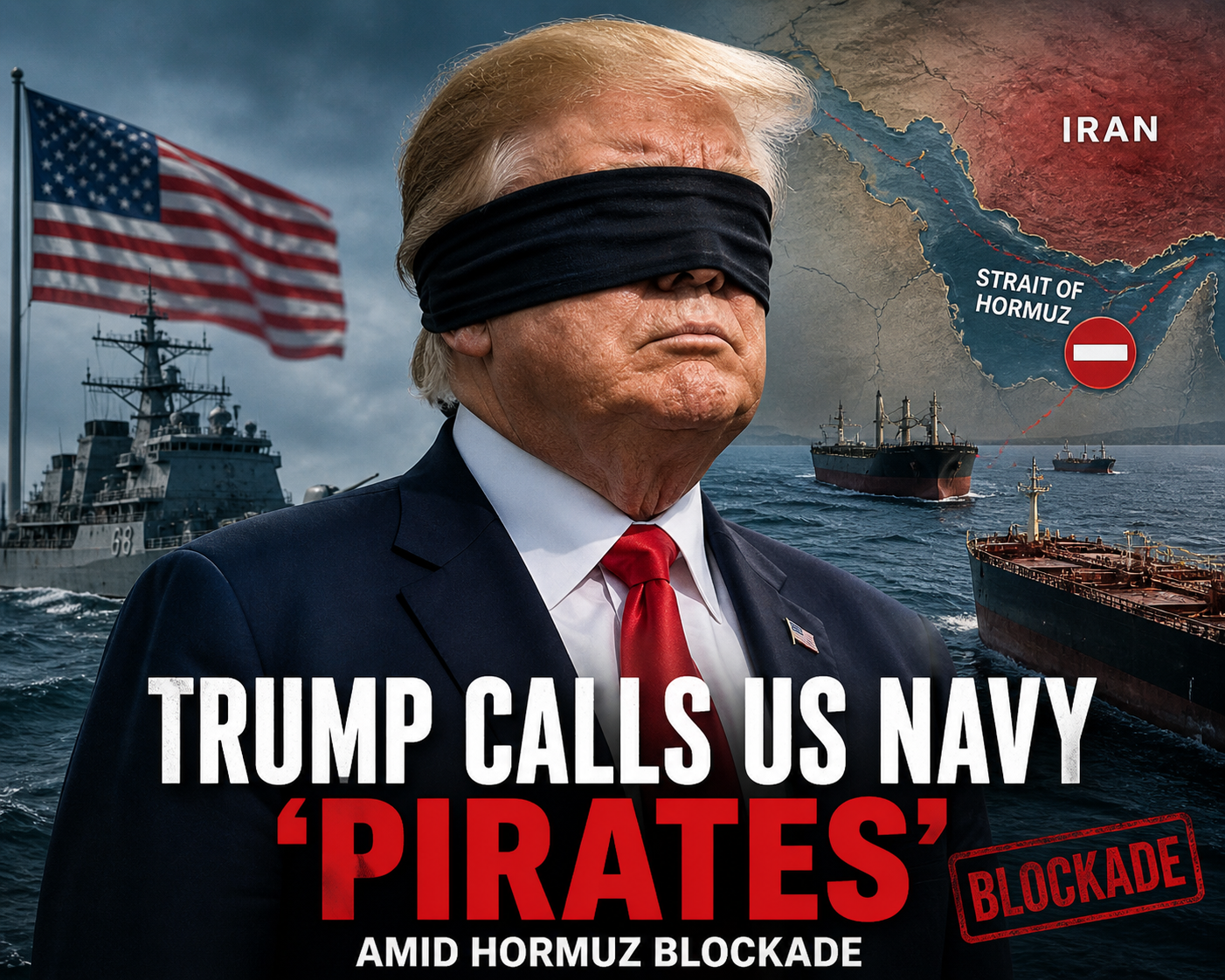
The ongoing conflict in the Middle East has taken a dramatic turn after Donald Trump made a controversial statement that is now making global headlines. In a shocking remark, Trump calls US Navy actions “like pirates” while referring to the seizure of ships during the blockade of Iranian ports. This statement has triggered debates worldwide, raising concerns about international law, military ethics, and the future of global trade routes.
Trump’s Controversial Statement Sparks Debate
During a speech on Friday evening, Trump openly described the actions of US forces in the region. He explained how American troops seized ships, cargo, and oil, calling it a “very profitable business.” In his own words, he admitted, “We’re like pirates,” although he quickly added that the US was “not playing games.”
This is not the first time Trump calls US Navy operations into question, but this particular statement stands out because of its blunt tone. Critics argue that such language undermines the legitimacy of US military operations, while supporters claim he was simply being direct about strategic actions during wartime.
Strait of Hormuz: A Global Flashpoint
At the center of this crisis is the Strait of Hormuz, one of the most critical oil transit routes in the world. Nearly 20% of global oil and liquefied natural gas passes through this narrow waterway. Any disruption here can immediately affect global markets.
Since the conflict began, Iran has restricted access to the strait, allowing only its own vessels to pass freely. In response, the US imposed a naval blockade on Iranian ports. This is where Trump calls US Navy actions part of a broader strategy to pressure Tehran economically and militarily.
Iran’s Strong Response and Military Warnings
Iran has not remained silent. Senior military officials, including Brigadier General Mohammad Jafar Asadi, have issued stern warnings. He stated that renewed conflict with the United States is “possible” and hinted at “surprise measures” that could go beyond expectations.
Iranian authorities have also emphasized their control over the Persian Gulf coastline, claiming dominance over nearly 2,000 kilometers. According to Iranian media, the Revolutionary Guard Navy aims to turn the region into a source of strength and prosperity for the country.
As tensions rise, Trump calls US Navy operations necessary for maintaining pressure, while Iran views them as acts of aggression.
Ship Seizures and Escalation at Sea
One of the most alarming developments is the increasing number of ship seizures. The US has captured Iranian vessels, sanctioned container ships, and oil tankers in various waters, particularly across Asia. These actions have intensified the standoff.
Trump calls US Navy efforts successful in disrupting Iran’s economy. However, critics argue that such moves risk escalating the conflict into a full-scale war. Maritime experts warn that continued seizures could provoke retaliation, leading to dangerous encounters in international waters.
War Background and Regional Impact
The conflict began on February 28, when the United States and Israel launched strikes on Iran. Tehran responded with attacks targeting Israel and Gulf countries hosting US bases. The violence has resulted in thousands of civilian casualties and massive displacement.
The situation remains fragile despite a ceasefire declared last month. Trump calls US Navy enforcement part of maintaining control, but many analysts believe the region is far from stable.
The war has also affected neighboring countries like Israel and Gulf states, increasing geopolitical uncertainty.
Economic Shockwaves and Rising Oil Prices
The blockade of the Strait of Hormuz has sent shockwaves through global energy markets. Oil prices have surged, affecting economies worldwide, including the United States itself. Rising gasoline prices have created political pressure on Trump domestically.
Despite this, Trump calls US Navy actions necessary to secure long-term stability. He argues that allowing Iran to control such a critical route would have worse consequences in the future.
However, economists warn that prolonged disruption could trigger inflation, supply shortages, and economic instability globally.
Diplomatic Efforts and Rejected Peace Proposals
Amid the crisis, Iran proposed a plan to reopen shipping routes and ease tensions. The proposal included delaying discussions on nuclear issues while focusing on restoring trade through the Strait of Hormuz.
Trump rejected the proposal, stating he was not satisfied with its terms. While he has occasionally expressed openness to diplomacy, his stance remains firm. Trump calls US Navy involvement essential until Iran changes its approach.
Meanwhile, Iran’s foreign minister has indicated willingness for talks if the US shifts its policies. This leaves the door slightly open for negotiation, but no breakthrough has been achieved so far.
Legal and Ethical Concerns
Trump’s remarks have drawn criticism from legal experts and human rights organizations. Some argue that seizing ships and targeting infrastructure could violate international law.
Several analysts have even described US actions as potential war crimes, especially after threats to target civilian infrastructure. Trump calls US Navy strategy justified, but critics believe such actions could damage America’s global reputation.
The debate continues over whether these measures are necessary wartime tactics or dangerous overreach.
Domestic Pressure and Political Risks
Back home, Trump faces increasing pressure from voters and political opponents. Rising fuel prices and prolonged conflict could impact upcoming elections.
The Republican Party is particularly concerned about voter backlash. Trump calls US Navy operations a strong leadership move, but public opinion remains divided.
Many Americans are questioning whether the conflict is worth the economic and human cost.
What Lies Ahead?
The situation in the Middle East remains unpredictable. While military actions have slowed since the ceasefire, tensions are still high. Trump calls US Navy presence crucial for maintaining pressure, but the risk of escalation remains.
Experts believe the next few weeks will be critical. If diplomatic efforts fail, the region could see renewed fighting. On the other hand, successful negotiations could ease tensions and restore stability to global markets.
Final Thoughts
The statement where Trump calls US Navy actions “like pirates” reflects the intensity and complexity of the current crisis. It highlights not only military strategies but also the political and economic challenges surrounding the conflict.
As the world watches closely, the decisions made by both the United States and Iran will shape the future of global energy security and regional stability. Whether through diplomacy or continued confrontation, one thing is clear: the Strait of Hormuz will remain a key battleground in this unfolding story.

Pingback: Iran 14-Point Peace Plan Sparks 1 Bold Push to End War Fast
Pingback: Powerful Iran Response to Latest US Ceasefire Report 2026