
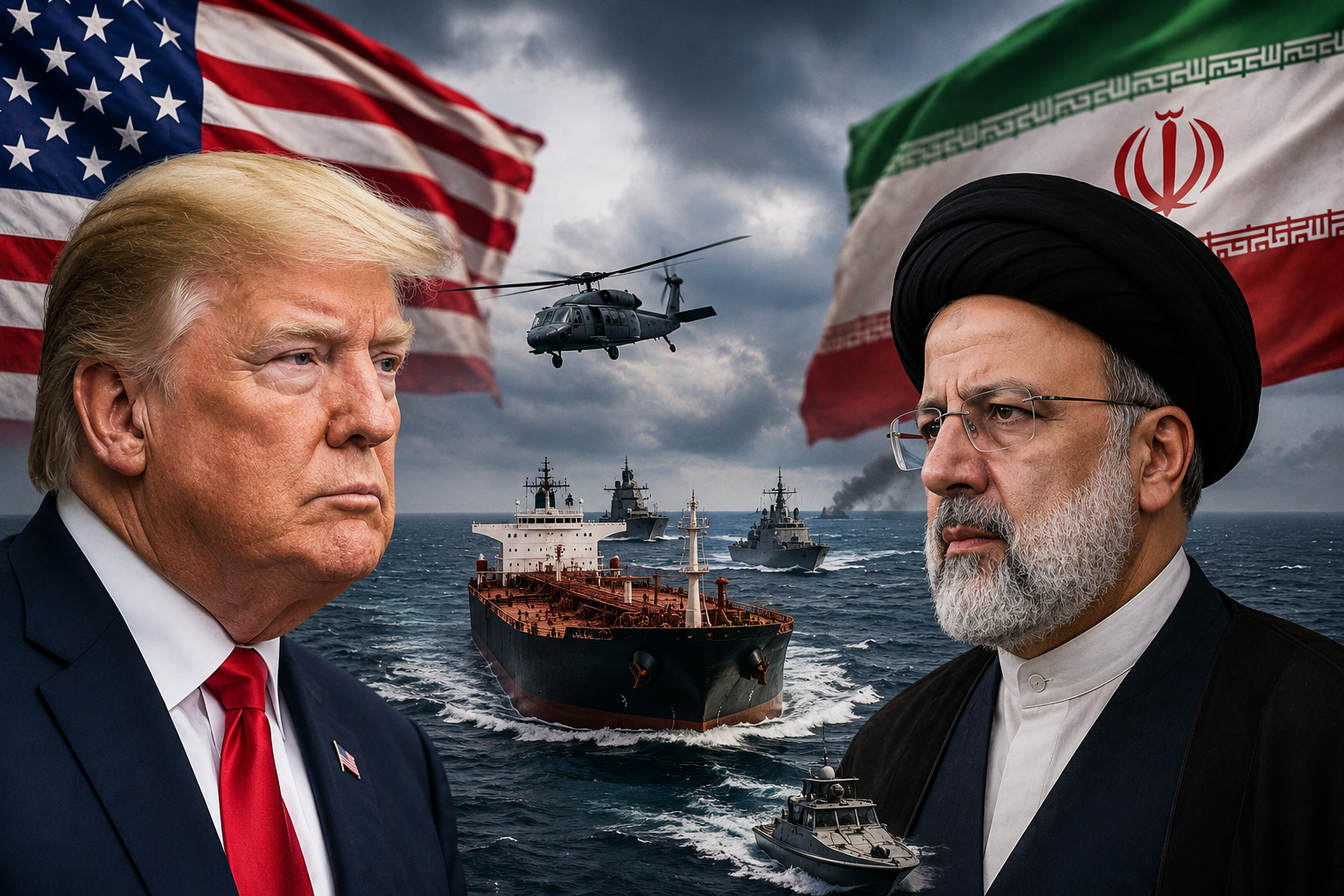
Powerful Iran Response to Latest US Ceasefire Proposal Update Report 2026
Powerful Iran Response to Latest US Ceasefire Proposal Raises Global Tensions
Iran is carefully reviewing the latest ceasefire proposal presented by the United States as tensions continue to rise in the Strait of Hormuz. Although Tehran has not yet officially accepted or rejected the offer, statements from Iranian leaders suggest there are still major disagreements between both sides. The growing uncertainty has attracted worldwide attention as analysts attempt to understand what could happen next in the ongoing conflict.
The latest developments have sparked discussions across global media, with many focusing on the Powerful Iran Response to Latest US diplomatic efforts and military pressure. Despite recent clashes at sea and increasing threats from Washington, diplomatic negotiations are still continuing behind closed doors.
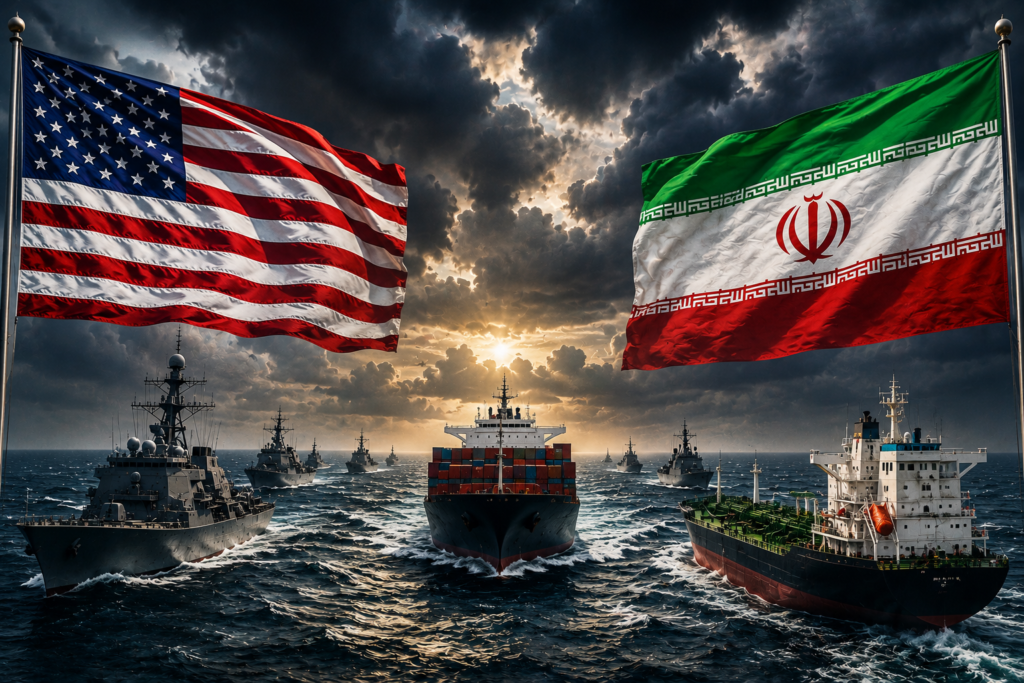
According to reports, the United States submitted a detailed 14-point peace proposal earlier this week. The document reportedly demands that Iran completely stop enriching uranium for at least 12 years and hand over nearly 440 kilograms of uranium enriched to 60 percent. In exchange, Washington has offered gradual sanctions relief, the release of billions of dollars in frozen Iranian assets, and the reopening of the Strait of Hormuz within 30 days of an agreement.
The Powerful Iran Response to Latest US proposal has so far been cautious and critical. Iranian officials have indicated that several demands from Washington are unrealistic and one-sided. Many leaders in Tehran believe the latest proposal focuses too heavily on American interests while ignoring Iran’s security concerns and regional position.
US President Donald Trump intensified pressure on Iran by calling the country’s leadership “lunatics” in a statement posted on his Truth Social platform. He warned that Tehran would face harsher military action if it failed to quickly agree to a deal. His comments immediately increased tensions and triggered reactions from Iranian politicians and military officials.
Iranian lawmaker Ebrahim Rezaei criticized the US proposal, describing it as “more of an American wish-list than reality.” His comments reflected the broader Powerful Iran Response to Latest US negotiations, where many Iranian leaders are pushing back against what they see as excessive American demands.
Parliament Speaker Mohammad Bagher Ghalibaf also mocked reports suggesting both sides were close to reaching an agreement. Posting in English on social media, he wrote, “Operation Trust Me Bro failed,” signaling Tehran’s skepticism toward American intentions.
At the same time, military confrontations in the Strait of Hormuz continue to threaten the fragile ceasefire that has been in place since April 8. Iran accused US forces of targeting an Iranian oil tanker and attacking civilian areas in southern Iran, including Bandar Khamir, Sirik, and Qeshm Island. Iranian air defenses were reportedly activated over western Tehran during the escalation.
The United States responded by claiming its naval forces had come under attack from Iranian missiles, drones, and fast boats. Washington stated that American forces targeted Iranian military sites connected to those attacks. These developments have added another layer of complexity to the Powerful Iran Response to Latest US negotiations, making diplomacy increasingly difficult.
Despite the exchange of fire, neither side has officially declared the ceasefire dead. Analysts say this shows both Tehran and Washington still want to avoid a full-scale war. Diplomatic channels remain active, and regional mediators, including Pakistan, are reportedly involved in trying to keep talks alive.
According to reports from Tehran, Iranian officials are still reviewing the latest proposal carefully. Sources close to the negotiations suggest Iran wants stronger guarantees before agreeing to any long-term deal. Tehran reportedly wants assurances that the US will not withdraw from another agreement in the future, as happened in 2018 when Trump left the previous nuclear deal.
The earlier nuclear agreement signed in 2015 between Iran, the Obama administration, the European Union, and several world powers had provided Iran with sanctions relief in exchange for restrictions on its nuclear program. However, the US withdrawal from the deal severely damaged trust between both sides. That history now shapes the Powerful Iran Response to Latest US ceasefire efforts.
Iran is also demanding the release of frozen financial assets worth billions of dollars and the complete lifting of economic sanctions that have hurt the country’s economy for years. Iranian officials argue that any agreement must address economic recovery, national security, and regional stability together instead of focusing only on nuclear restrictions.
Before Washington introduced its latest plan, Iran had already presented its own 14-point peace proposal. Tehran’s proposal focused on ending the war completely rather than extending temporary ceasefires. Iranian leaders reportedly called for all major disputes to be resolved within 30 days.
The Iranian proposal also demanded guarantees against future attacks, the withdrawal of US military forces from areas surrounding Iran, war reparations, and a new security mechanism for the Strait of Hormuz. These conditions demonstrate how the Powerful Iran Response to Latest US diplomacy is based on broader regional concerns rather than just nuclear issues.
The Strait of Hormuz remains one of the world’s most important waterways because a large percentage of global oil shipments pass through it every day. Any military escalation in the region could seriously affect international energy markets and global trade. This is one reason why world leaders are closely monitoring every development in the ongoing talks.
International observers believe there is still a significant gap between the positions of Tehran and Washington. While the United States wants strict nuclear limitations and security guarantees, Iran wants sanctions relief, military de-escalation, and stronger diplomatic commitments.
The Powerful Iran Response to Latest US peace proposal therefore represents more than a simple ceasefire discussion. It reflects years of mistrust, economic pressure, military confrontation, and failed diplomacy between the two countries.
Experts say both sides are trying to balance military pressure with diplomatic negotiation. Washington wants to force Iran into concessions through sanctions and military warnings, while Tehran hopes its strategic position in the Gulf region will give it leverage during talks.
Meanwhile, ordinary people across the Middle East continue to watch events unfold with concern. Many fear that if diplomacy fails, the region could face another devastating conflict with global consequences. Others remain hopeful that negotiations will eventually produce a long-term agreement that reduces tensions and restores stability. Powerful Iran Response to Latest US Ceasefire Proposal Update Report 2026
For now, the world waits for Tehran’s official answer. Whether Iran accepts, rejects, or proposes major changes to the American plan, the next steps will likely shape the future of Middle East politics for years to come.
The ongoing Powerful Iran Response to Latest US proposal negotiations have already become one of the most important diplomatic stories of the year. As military tensions continue in the Strait of Hormuz and political leaders exchange sharp warnings, the possibility of either peace or escalation remains very real. Powerful Iran Response to Latest US Ceasefire Proposal Update Report 2026


Pingback: Furious Trump Slams Tehran Reply as Israel Kills 2 Medics in