
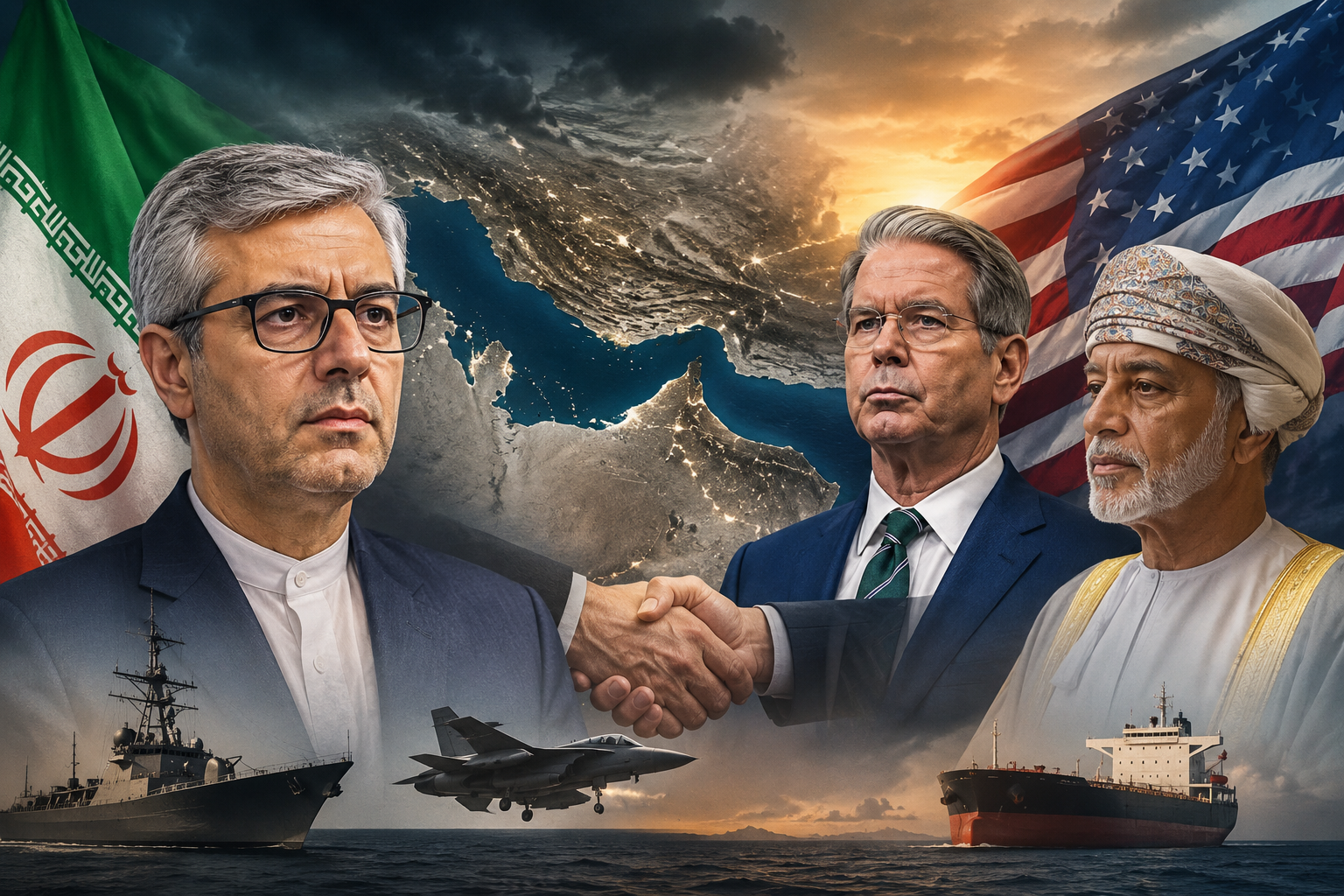
Iranian FM Condemns 3 Explosive US Threats Against Oman Crisis
Iranian FM Condemns US Threats Against Oman as Strait of Hormuz Tensions Rise
The Middle East remains under intense global focus as diplomatic tensions between Iran, the United States, and Israel continue to escalate. In a strongly worded statement, the Iranian Foreign Ministry criticized recent comments made by American officials regarding Oman, while new developments surrounding the Strait of Hormuz and ongoing ceasefire negotiations have added more uncertainty to the region.
Iranian FM Condemns US Pressure on Oman
The Iranian Foreign Ministry spokesperson, Esmaeil Baghaei, sharply reacted to comments made by US officials targeting Oman. According to a statement shared by Iran’s Ministry of Foreign Affairs on X, Iranian FM Condemns what it described as unlawful pressure and political intimidation against the Gulf nation.
Baghaei specifically criticized remarks reportedly made by the US Treasury Secretary about imposing sanctions on Oman. He described the move as an attempt to “blackmail an independent state” and argued that such threats violate international law and the principles outlined in the United Nations Charter.
The spokesperson further stated that the American approach reflects what he called a “moral bankruptcy” within the US political system. According to Tehran, threatening sanctions against countries that maintain independent diplomatic positions only increases instability across the region.
Analysts believe Oman has been playing an important role as a mediator between Tehran and Washington during recent negotiations. Because of this, Iranian FM Condemns any attempt to pressure Muscat, saying such actions could damage regional diplomacy and ongoing peace efforts.
Strait of Hormuz Crisis Raises Global Concerns
At the same time, tensions around the Strait of Hormuz continue to impact global energy markets. The waterway is considered one of the world’s most important oil transit routes, carrying nearly 20% of global oil and liquefied natural gas supplies.
Israeli Prime Minister Benjamin Netanyahu recently suggested that the instability in the Gulf could accelerate the development of alternative energy and transportation routes. Speaking during a seminar in the Jordan Valley, Netanyahu said the world has historically responded to energy crises by diversifying supply chains and reducing dependence on unstable regions.
He hinted that Israel could become part of a future corridor connecting energy routes to the Mediterranean. However, he did not provide details about the project or which countries could potentially participate.
Meanwhile, Iranian FM Condemns foreign efforts that could reshape regional trade routes without cooperation from Gulf nations. Iranian officials continue to insist that security in the Strait of Hormuz must remain under regional control rather than foreign military influence.
US Denies Aircraft Was Shot Down Near Bushehr
Another dramatic development emerged after Iranian state television claimed a US aircraft had been destroyed near Iran’s Bushehr province. The report cited local officials in Jam governorate who allegedly confirmed the incident.
However, the US military quickly denied the claims. The US Central Command stated that no American aircraft had been shot down and confirmed that all US military assets were fully accounted for.
The conflicting reports once again highlighted the tense information war between Washington and Tehran. While Iranian media presented the incident as evidence of military resistance, American officials dismissed it as misinformation.
In response to increasing military activity in the Gulf region, Iranian FM Condemns what it described as aggressive US operations near Iranian territory. Tehran argues that the continued military presence of foreign forces only increases the chances of accidental escalation.
Iran and US Move Closer to Ceasefire Extension
Despite the tensions, diplomatic negotiations between Iran and the United States appear to be making progress. According to Reuters, both countries reached a preliminary agreement to extend the current ceasefire for another 60 days.
Sources familiar with the negotiations said the proposed agreement would also allow unrestricted shipping through the Strait of Hormuz while talks continue regarding Iran’s nuclear program and regional security concerns.
If approved by leadership in both Tehran and Washington, the agreement could become the biggest breakthrough since fighting erupted earlier this year following US-Israeli strikes.
Still, uncertainty remains. Former US President Donald Trump has reportedly not yet approved the proposal, while Iranian state media said the agreement had not been finalized.
During ongoing talks, Iranian FM Condemns media speculation that attempts to portray Tehran as desperate for a deal. Iranian officials maintain that any agreement must respect Iran’s sovereignty and remove pressure tactics such as sanctions and military threats.
US Vice President JD Vance acknowledged that negotiations are progressing but cautioned that no final agreement has been reached. He told reporters that discussions remain positive, though difficult issues still need to be resolved.
Oil Markets React to Possible Deal
News of the possible ceasefire extension caused global oil prices to fall as investors hoped the Strait of Hormuz would remain open for international shipping.
Energy experts warn that any disruption to the waterway could trigger serious economic consequences worldwide. Several countries heavily depend on Gulf oil exports, making stability in the region essential for global markets.
As economic pressure increases, Iranian FM Condemns sanctions policies that target Iran’s oil industry and regional trade partners. Iranian officials argue that sanctions have harmed international markets while failing to produce long-term political solutions.
Reports also indicate that the proposed agreement may include easing restrictions on Iranian oil exports and lifting certain shipping blockades. Such measures could significantly impact energy prices and trade flows in the coming months.
Military Clashes Continue Despite Negotiations
Although diplomatic talks are continuing, military tensions remain active. US Central Command announced that American forces intercepted five Iranian attack drones and destroyed a launch control station near Bandar Abbas before another drone could be launched.
At the same time, Kuwaiti defense forces reportedly intercepted a ballistic missile heading toward the country, which hosts a major US military base.
Iran’s Islamic Revolutionary Guard Corps responded by claiming responsibility for targeting the US base involved in the Bandar Abbas strike. Iranian officials warned that any future attacks would receive a “more decisive response.”
Once again, Iranian FM Condemns foreign military operations near Iranian waters, saying such actions threaten regional peace and undermine ongoing negotiations.
Diplomatic Future Remains Uncertain
The latest developments demonstrate how fragile the situation in the Middle East remains. While ceasefire discussions offer hope for stability, military incidents and political tensions continue to create uncertainty.
Observers believe Oman’s role as a diplomatic mediator could become increasingly important in the coming weeks. At the same time, Israel’s interest in alternative energy routes signals that regional powers are preparing for long-term geopolitical shifts.
As negotiations continue, Iranian FM Condemns external pressure campaigns and insists that diplomacy must replace military escalation. Whether the current ceasefire proposal succeeds may depend on how both Washington and Tehran handle the next phase of talks.
For now, the world continues to closely watch every development in the Gulf region, where energy security, military tensions, and international diplomacy remain deeply connected.