Powerful Developments on Iran War Day 102 as Ceasefire Holds Strong
5 Powerful Developments on Iran War as Ceasefire Holds Amid Rising Tensions
The fragile ceasefire between Iran and Israel remains in place, but the situation across the Middle East is far from stable. Despite a pause in the direct exchange of attacks that threatened to escalate into a wider regional conflict, both sides continue to exchange warnings and accusations. Political leaders, military officials, and international observers remain concerned that a single miscalculation could reignite large-scale hostilities.
The latest Powerful Developments on Iran War reveal a complex picture of military pressure, diplomatic maneuvering, and growing disagreements between key allies. While the ceasefire has prevented further immediate escalation, recent events show that peace remains uncertain.
Ceasefire Holds but Trust Remains Weak
Iran and Israel have temporarily halted the tit-for-tat attacks that dominated headlines in recent weeks. The ceasefire, which has been in effect since April, has reduced the risk of an immediate regional war. However, leaders on both sides continue to express deep mistrust toward one another.
Iranian officials have repeatedly warned that the fighting could quickly resume if Israel continues military operations in the region. According to Tehran, any new strikes targeting Iranian interests or allied groups could trigger a response. These statements highlight one of the most significant Powerful Developments on Iran War, as both countries remain on high alert despite the ceasefire.
Iranian parliamentary speaker Mohammad Bagher Ghalibaf recently stated that repeated Israeli actions demonstrate a lack of genuine commitment to building trust. His remarks reflect concerns within Iran that the current truce may only be temporary rather than the foundation for lasting stability.
Israeli Strike Targets Major Iranian Industrial Site
One of the most notable Powerful Developments on Iran War emerged when Israel reportedly targeted the Mahshahr petrochemical complex in southwestern Iran. The facility is considered one of Iran’s most important industrial centers and plays a significant role in the country’s economy.
Iranian media reported that there were no immediate casualties following the attack. However, authorities continue to evaluate the full extent of the damage and any potential economic consequences. The strike has raised questions about whether military operations could continue even while diplomatic efforts seek to preserve the ceasefire.
Analysts believe attacks on strategic infrastructure send a message that military pressure remains an option despite ongoing diplomatic discussions. This creates additional uncertainty about the future of regional stability.
Growing Disagreements Between Washington and Tel Aviv
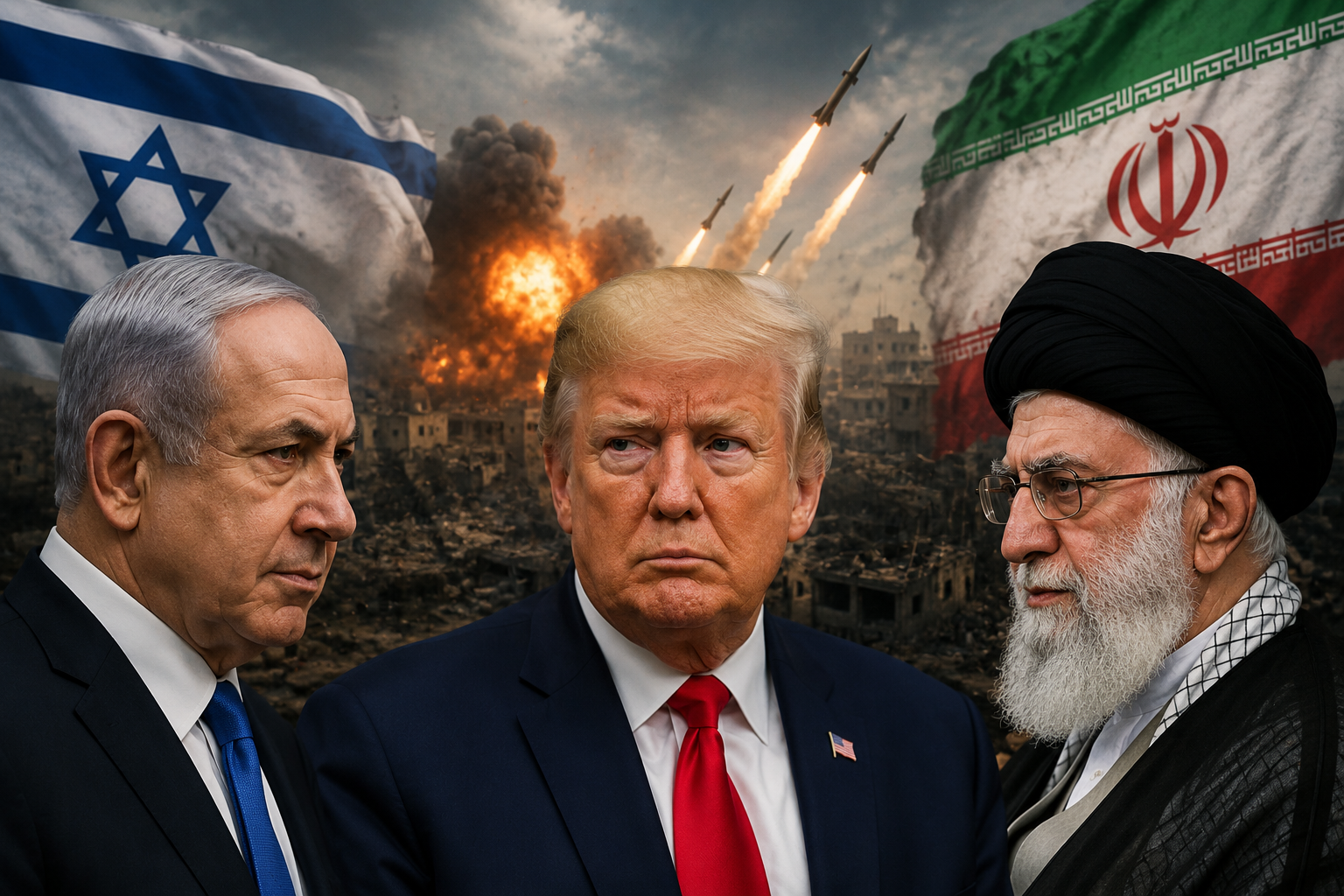
Another major aspect of the current crisis involves the relationship between the United States and Israel. Recent reports indicate that President Donald Trump has privately warned Israeli Prime Minister Benjamin Netanyahu against actions that could undermine the ceasefire.
This represents one of the most closely watched Powerful Developments on Iran War because it highlights growing differences between two long-standing allies. According to reports, Trump encouraged restraint after receiving signals that Iran was prepared to halt further attacks.
The warning reportedly included concerns that continued military operations could jeopardize diplomatic efforts and increase the risk of a broader conflict. While Washington remains committed to Israel’s security, recent statements suggest the administration is seeking to avoid another major military escalation in the Middle East.
Political observers note that public disagreements between American and Israeli leaders are relatively rare on issues of regional security. As a result, these developments have attracted significant international attention.
Israel Sends a Message Through Military Action
Some experts argue that Israel’s recent military decisions were intended to communicate a broader strategic message. According to analysts, Israeli leaders want to ensure that any future negotiations involving Iran take Israeli security concerns into account.
This is among the most important Powerful Developments on Iran War because it demonstrates how military operations can influence diplomatic negotiations. Security experts suggest that Israel wants to maintain leverage by showing that it retains the ability to act independently if it believes its interests are being ignored.
Military historian Danny Orbach has argued that recent actions were designed to remind Washington that any long-term arrangement with Tehran must address Israeli concerns. The message appears to be that regional security discussions cannot succeed without considering Israel’s perspective.
Trump’s Warning Raises Questions
President Trump’s reported warning to Netanyahu has become a major talking point among foreign policy analysts. According to reports, Trump suggested that further military action could leave Israel increasingly isolated if it ignored calls for restraint.
This development represents another of the key Powerful Developments on Iran War because it may signal a shift in how Washington approaches the conflict. However, some experts remain skeptical about whether the warning will lead to meaningful policy changes.
Phyllis Bennis of the Institute for Policy Studies argued that words alone may not influence Israeli decision-making. She noted that continued military aid, diplomatic backing, and weapons transfers from the United States reduce the impact of public criticism.
As a result, many observers are waiting to see whether future American actions will match recent statements.
Hezbollah Increases Military Activity
While attention remains focused on Iran and Israel, tensions in Lebanon continue to add another layer of complexity to the conflict. Hezbollah announced that it carried out multiple operations targeting Israeli forces in southern Lebanon.
The group claimed to have used drones, guided missiles, artillery systems, and other weapons against military positions. According to Hezbollah, the attacks targeted troop concentrations, military vehicles, and logistical equipment.
These operations represent one of the latest Powerful Developments on Iran War because they increase the possibility of the conflict expanding beyond Iran and Israel. Any escalation involving Hezbollah could significantly complicate diplomatic efforts and increase instability throughout the region.
Lebanon Remains a Critical Front
Israeli officials have emphasized that military operations involving Hezbollah are separate from ongoing discussions between Washington and Tehran. Israel’s ambassador to the United States, Yechiel Leiter, recently argued that Lebanon’s future should not remain tied to Iranian influence.
His comments underscore another significant Powerful Developments on Iran War, highlighting how regional actors continue to view the conflict through broader strategic lenses. For Israel, Hezbollah remains one of the most immediate security concerns along its northern border.
At the same time, Iran views Hezbollah as an important regional ally. This difference in perspective makes diplomatic solutions increasingly difficult to achieve.
Regional Stability Hangs in the Balance
The Middle East remains in a delicate position. Although the ceasefire has reduced immediate violence, the underlying issues that fueled the conflict remain unresolved. Military strikes, political disagreements, and competing strategic interests continue to shape events across the region.
The latest Powerful Developments on Iran War demonstrate that both diplomacy and military pressure are being used simultaneously. This combination creates uncertainty about whether the ceasefire can survive future challenges.
International leaders continue to call for restraint, warning that renewed conflict could have serious consequences for regional and global security.
Looking Ahead
As the situation evolves, the world will closely monitor relations between Iran, Israel, the United States, and regional actors such as Hezbollah. The coming weeks could determine whether the current ceasefire becomes a foundation for broader negotiations or merely a temporary pause before another round of fighting.
For now, the most significant Powerful Developments on Iran War suggest that while open conflict has slowed, tensions remain extremely high. Every diplomatic statement, military operation, and political decision will influence what happens next in one of the world’s most sensitive geopolitical flashpoints.