Israel Seizes Castle in Lebanon Amid 5 Explosive Ground Offensive Developments
Israel Seizes Castle in Lebanon Amid Expanding Ground Offensive Against Hezbollah
The conflict between Israel and Hezbollah has entered a new and significant phase as Israel expands its military operations deeper into southern Lebanon. The latest development has drawn international attention after Israeli forces captured the historic Beaufort Castle, a strategic fortress overlooking the Litani River. The move marks a major escalation in the ongoing confrontation and has raised concerns about regional stability, civilian safety, and the future of diplomatic efforts.
Israel Seizes Castle in Lebanon Amid Growing Military Operations
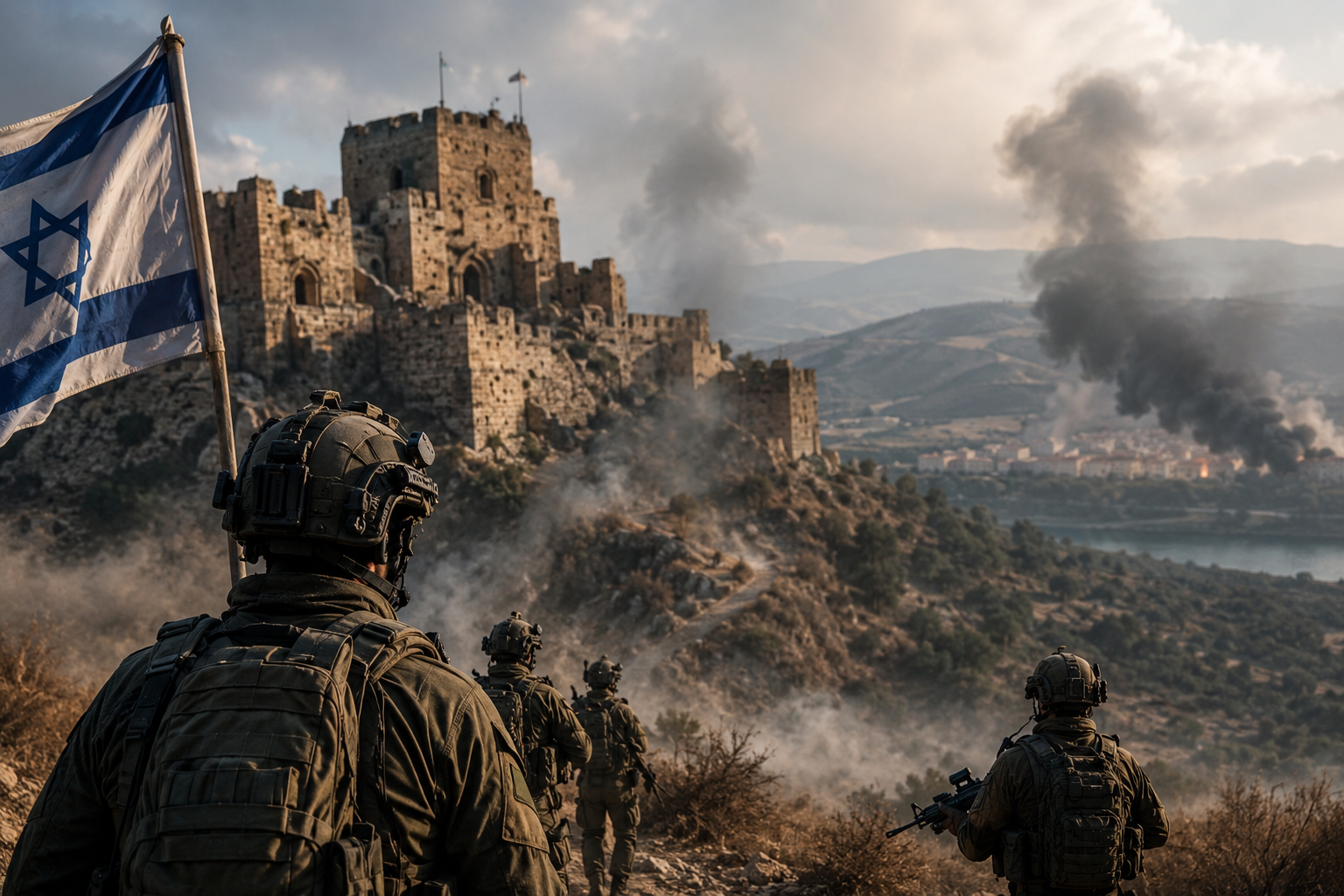
The Israeli military recently announced that it had captured Beaufort Castle, a centuries-old fortress located on a high ridge above the Litani River. The castle has long been regarded as a strategically important location due to its commanding view of surrounding areas.
At the same time, the Israel Defense Forces (IDF) expanded evacuation warnings across southern Lebanon. Residents living south of the Zahrani River were urged to leave immediately as military operations continue to intensify.
The development comes as Israel seeks to weaken Hezbollah’s military infrastructure and reduce cross-border attacks that have increased in recent months.
Why Beaufort Castle Matters
Beaufort Castle is more than just a historical landmark. Built by Crusaders nearly 900 years ago, the fortress has been the site of multiple battles throughout history. Its elevated position provides a tactical advantage for monitoring movements across southern Lebanon.
The announcement that Israel Seizes Castle in Lebanon Amid ongoing military operations was presented by Israeli officials as both a symbolic and strategic achievement. Israeli leaders argue that controlling the castle strengthens security for communities near the border and improves military oversight of the region.
For many Lebanese citizens, however, the capture of the fortress represents another painful chapter in a conflict that continues to affect civilian life across the country.
Expanded Evacuation Orders Raise Concerns
As military activity increases, the IDF has expanded its evacuation zone in southern Lebanon. Officials warned that anyone located near Hezbollah facilities, fighters, or military equipment could be at risk.
The latest warning covers a large area south of the Zahrani River and suggests that Israeli ground forces are operating beyond previously established lines.
Reports indicate that a significant number of Israeli soldiers are involved in the operation, with military activities extending into additional locations. The announcement that Israel Seizes Castle in Lebanon Amid broader offensive actions signals that the campaign is entering a more aggressive stage.
Humanitarian organizations have expressed concern about the impact on civilians who may be forced to leave their homes with little notice.
Rising Tensions Between Israel and Hezbollah
The conflict intensified after Hezbollah increased drone and missile attacks targeting Israeli military positions and communities near the border. Israel maintains that its expanded military campaign is a response to these ongoing threats.
Israeli officials say that securing strategic locations is necessary to prevent future attacks and protect civilians living in northern Israel. As a result, Israel Seizes Castle in Lebanon Amid a wider effort to disrupt Hezbollah’s operational capabilities.
Meanwhile, Hezbollah continues to portray its actions as resistance against Israeli military operations in Lebanon and Gaza. The ongoing exchanges have created a dangerous cycle of escalation that shows few signs of slowing down.
Lebanese Government Criticizes Israeli Actions
Lebanese Prime Minister Nawaf Salam strongly criticized Israel’s military campaign, accusing it of pursuing a scorched-earth policy in southern Lebanon. He argued that the operations amount to collective punishment and place civilians at unnecessary risk.
The situation has become increasingly difficult for Lebanese authorities, who have limited influence over the military confrontation between Israel and Hezbollah. While diplomatic efforts continue, many government officials remain concerned about the long-term consequences of the conflict.
As Israel Seizes Castle in Lebanon Amid ongoing fighting, Lebanese leaders are calling for greater international intervention to prevent further destruction and loss of life.
International Reaction and Diplomatic Pressure
The expanding conflict has prompted reactions from governments around the world. France, which maintains strong historical ties with Lebanon, has requested discussions at the United Nations Security Council regarding Israeli military operations.
French Foreign Minister Jean-Noël Barrot described the situation as a serious mistake and questioned the continued expansion of Israeli activities inside Lebanese territory.
International observers fear that if the conflict continues to grow, it could destabilize the wider Middle East and complicate efforts to achieve a diplomatic resolution.
The news that Israel Seizes Castle in Lebanon Amid increasing military pressure has intensified calls for renewed negotiations and conflict de-escalation.
Civilian Impact Continues to Grow
Beyond the military developments, civilians remain among the most affected by the conflict. Lebanon’s Health Ministry reported injuries among hospital staff following strikes near medical facilities in the city of Tyre.
Infrastructure damage, displacement, and ongoing security concerns continue to create challenges for communities throughout southern Lebanon. Families are being forced to make difficult decisions as fighting expands into new areas.
The humanitarian consequences have become a central concern for international organizations monitoring the conflict.
As Israel Seizes Castle in Lebanon Amid a broader offensive, many aid groups are urging all parties to prioritize civilian protection and respect international humanitarian law.
What Happens Next?
Despite the escalating violence, diplomatic talks remain scheduled. Representatives from Israel and Lebanon are expected to participate in another round of negotiations in Washington.
Although Hezbollah is not directly involved in these discussions, officials hope that continued dialogue may help reduce tensions and prevent further escalation.
However, the situation remains highly uncertain. The military significance of Beaufort Castle, combined with expanded operations in southern Lebanon, suggests that the conflict may continue to evolve in the coming weeks.
The fact that Israel Seizes Castle in Lebanon Amid ongoing regional instability highlights the fragile nature of security across the Middle East.
Conclusion
The capture of Beaufort Castle represents one of the most significant developments in the current Israel-Hezbollah conflict. While Israel views the operation as a strategic and symbolic victory, Lebanese officials and international observers worry about the humanitarian and political consequences.
As Israel Seizes Castle in Lebanon Amid expanding ground operations, the risk of further escalation remains high. The coming weeks will likely determine whether diplomatic efforts can ease tensions or whether the conflict will continue to spread across the region.