Hezbollah Rejects Renewed Ceasefire 5 Critical Risks Ahead
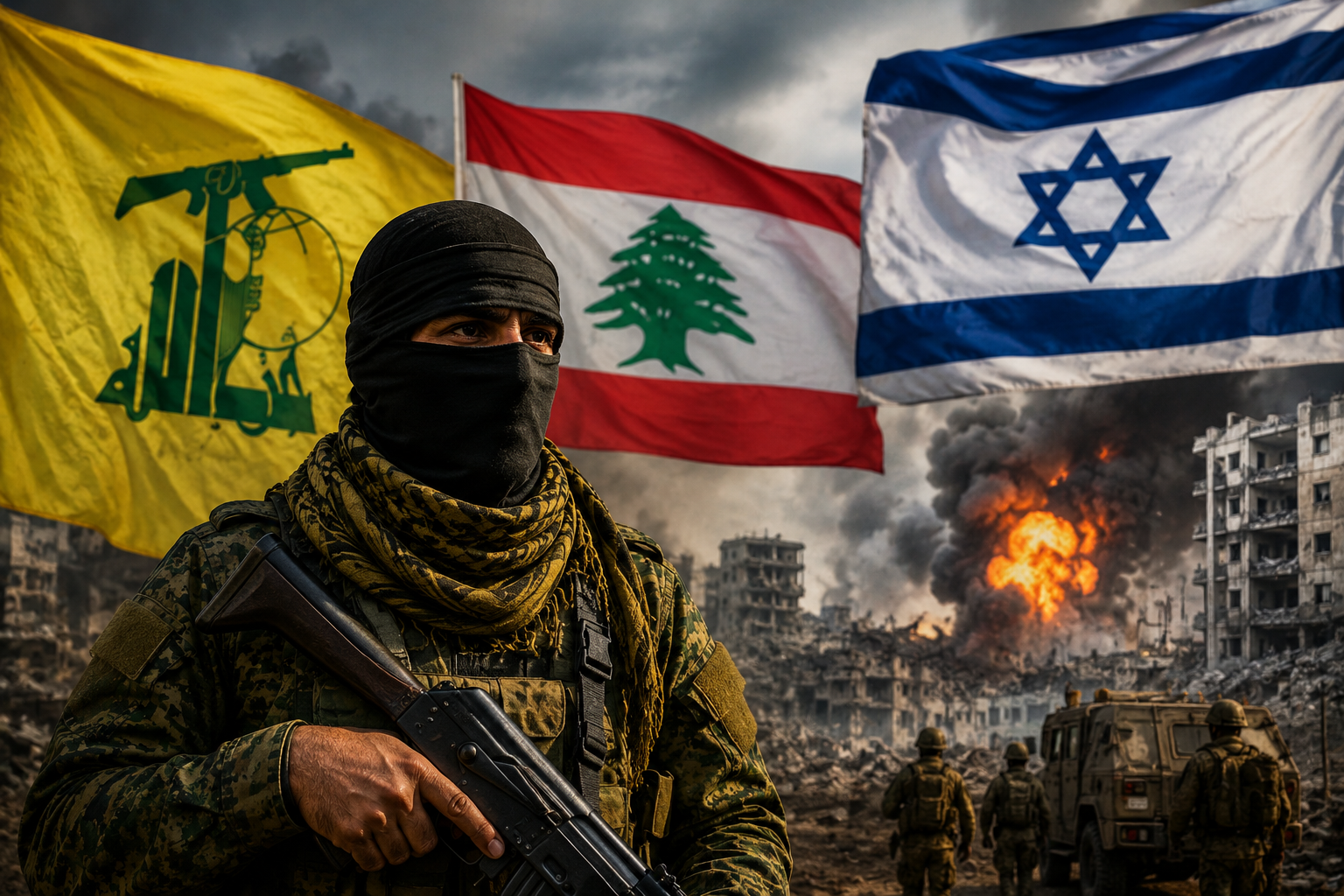
Hezbollah Rejects Renewed Ceasefire as Tensions Rise Between Israel and Lebanon
The fragile peace efforts between Israel and Lebanon have suffered a major setback after Hezbollah firmly rejected a newly announced US-backed ceasefire agreement. The deal, which was designed to reduce violence along the Israel-Lebanon border and create security zones free of armed groups, has sparked strong opposition from the Iran-backed Lebanese movement.
As Hezbollah Rejects Renewed Ceasefire, concerns are growing that the region could face another period of instability despite international efforts to reduce tensions.
Hezbollah Rejects Renewed Ceasefire and Calls Negotiations Futile
Hezbollah leader Naim Qassem delivered a strongly worded response to the proposed agreement, describing the negotiations as both humiliating and ineffective for Lebanon. According to Qassem, the deal serves Israeli interests while offering little benefit to Lebanon or its people.
The announcement came shortly after Israel and Lebanon confirmed a renewed ceasefire arrangement following US-mediated discussions. However, as Hezbollah Rejects Renewed Ceasefire, it has become clear that one of the region’s most influential armed groups has no intention of supporting the agreement in its current form.
Qassem argued that the proposed terms effectively require Hezbollah to halt military operations and withdraw fighters from southern Lebanon without securing meaningful concessions from Israel.
New Security Zones at the Center of the Agreement
A key component of the agreement involves the creation of pilot security zones inside Lebanon. Under the proposal, the Lebanese Armed Forces would assume exclusive control over specific areas, preventing any non-state actors from operating there.
As Hezbollah Rejects Renewed Ceasefire, criticism has focused on the lack of details regarding these zones. No official maps have been released, and questions remain about how such areas would function in practice.
The proposed zones would stretch between the Israeli border and the Litani River, an area that has frequently witnessed clashes between Israeli forces and Hezbollah fighters.
Supporters of the agreement argue that reducing armed activity in this region could lower the risk of future conflict. Critics, however, believe the plan disproportionately targets Hezbollah while failing to address broader security concerns.
Donald Trump Signals Optimism
Despite Hezbollah’s objections, US President Donald Trump expressed confidence that progress was being made. Trump revealed that he had spoken with both Israeli Prime Minister Benjamin Netanyahu and representatives connected to the broader peace efforts.
As Hezbollah Rejects Renewed Ceasefire, Trump maintained a positive outlook, suggesting that developments in the coming weeks could improve stability in the region.
He emphasized his desire to see Lebanon experience lasting peace after years of conflict, political instability, and economic challenges.
Trump’s comments reflect ongoing US efforts to encourage dialogue between regional stakeholders and reduce the likelihood of further military escalation.
Public Reaction in Beirut Remains Divided
The reaction among ordinary Lebanese citizens has been mixed. In Beirut’s southern suburbs, an area widely considered a Hezbollah stronghold, many residents expressed skepticism about the agreement.
As Hezbollah Rejects Renewed Ceasefire, several local business owners argued that a ceasefire cannot succeed if it is perceived as benefiting only one side.
Some residents described the arrangement as a surrender rather than a peace agreement. Others questioned why military strikes continued even while ceasefire discussions were taking place.
These concerns highlight the deep distrust that exists after decades of conflict between Israel and Lebanon.
Why Hezbollah Opposes the Deal
The core reason Hezbollah Rejects Renewed Ceasefire is its belief that the agreement advances Israeli strategic objectives while limiting Lebanon’s ability to defend itself.
Hezbollah leaders argue that withdrawing fighters and ending military operations without reciprocal commitments weakens Lebanon’s negotiating position. They also claim that the proposal does not adequately address Israeli military actions inside Lebanese territory.
For Hezbollah, maintaining a military presence near the southern border is viewed as a deterrent against future Israeli operations.
Political analysts note that rejecting the agreement may also strengthen Hezbollah’s position among supporters who view the group as a symbol of resistance against Israel.
Lebanon’s Government Pursues Diplomacy
While Hezbollah opposes the deal, Lebanon’s government has continued supporting diplomatic efforts aimed at reducing violence.
President Joseph Aoun stated that the ceasefire could be implemented quickly once all parties approve the final terms. Government officials believe negotiations remain the best path toward protecting civilians and restoring stability.
The government hopes that future discussions scheduled later this month may help bridge existing differences.
Continued Military Activity Raises Concerns
Even after the announcement of the agreement, military activity has continued across parts of southern Lebanon.
Israeli Defence Minister Israel Katz indicated that Israeli forces would maintain operations aimed at dismantling what Israel describes as terrorist infrastructure.
As Hezbollah Rejects Renewed Ceasefire, reports of airstrikes and military actions have fueled fears that the situation could deteriorate further before any lasting agreement is reached.
Lebanese media reported multiple strikes targeting various towns, resulting in casualties and injuries. Such incidents continue to complicate diplomatic efforts and increase tensions among local communities.
Regional Implications of the Dispute
The fact that Hezbollah Rejects Renewed Ceasefire has implications far beyond Lebanon’s borders. The situation affects broader regional dynamics involving Iran, the United States, Israel, and several Arab nations.
Washington hopes that progress in Lebanon could contribute to wider diplomatic breakthroughs in the Middle East. Meanwhile, Iran continues to support Hezbollah politically and strategically.
Regional observers believe that any long-term peace agreement will require broader discussions involving multiple stakeholders rather than focusing solely on border security arrangements.
What Happens Next?
Future negotiations are expected to continue, with representatives from Israel and Lebanon scheduled to meet again in an effort to reach a comprehensive agreement.
However, as Hezbollah Rejects Renewed Ceasefire, the path forward remains uncertain. The group’s opposition creates a significant obstacle for diplomats attempting to secure a lasting peace.
Whether the upcoming talks produce meaningful progress will depend on the willingness of all sides to address security concerns, political realities, and the humanitarian impact of continued conflict.
Conclusion
The latest ceasefire proposal was intended to reduce tensions and create conditions for long-term stability between Israel and Lebanon. However, Hezbollah Rejects Renewed Ceasefire because it believes the agreement fails to protect Lebanon’s interests and primarily benefits Israel.
With military operations continuing and political divisions deepening, the future of the agreement remains unclear. The coming weeks will likely determine whether diplomacy can overcome longstanding mistrust and prevent another escalation in one of the Middle East’s most sensitive conflict zones.