
Deadly Meningococcal Alert 1st South Australian Death in 3 Years
Deadly Meningococcal Alert First South Australian Death in 3 Years
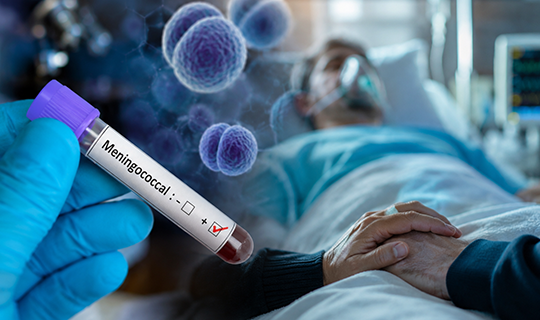
A young adult from metropolitan Adelaide has died after contracting invasive meningococcal disease, marking South Australia’s first death from the serious bacterial infection in more than three years. Health authorities have confirmed that the patient had been receiving life support for over a week before dying from an infection caused by serogroup B meningococcal bacteria.
The death has raised fresh concerns about the spread of the potentially life-threatening disease, with health officials urging residents to remain alert to early warning signs and seek immediate medical attention if symptoms develop.
The Deadly Meningococcal Alert comes as South Australia records an increase in infections compared with the previous year. According to SA Health, the state has reported 22 cases so far this year, compared with 15 cases during the whole of last year.
Although meningococcal infections remain relatively uncommon, medical authorities warn that the disease can progress extremely quickly. Early recognition and urgent treatment are essential because delays in receiving medical care can have serious consequences.
First Meningococcal Death in South Australia Since 2023
SA Health confirmed that the young adult from metropolitan Adelaide had contracted invasive meningococcal disease caused by serogroup B.
The patient had remained on life support for more than a week while battling the infection. Despite medical treatment, the illness proved fatal.
The death represents the first recorded fatality from invasive meningococcal disease in South Australia since July 2023.
Health authorities have responded by identifying people who had close contact with the infected individual. Multiple contacts have been traced, and seven people have received preventive antibiotics to reduce their risk of developing the disease.
Contact tracing is an important part of the public health response because meningococcal bacteria can spread through close and prolonged contact with an infected person.
The Deadly Meningococcal Alert highlights why health authorities are taking precautions even after identifying the people who may have been exposed.
Officials are encouraging residents not to ignore unusual symptoms, particularly when a person develops a combination of fever, headache, vomiting or other warning signs.
Meningococcal Cases Increase Across South Australia
The latest death comes amid an increase in meningococcal infections across South Australia.
SA Health has recorded 22 cases so far this year, compared with 15 cases reported last year. The figures indicate an increase in reported infections and have reinforced the importance of public awareness.
The disease is caused by meningococcal bacteria and can lead to serious conditions, including meningitis and bloodstream infection, known as septicaemia.
Invasive meningococcal disease is particularly concerning because symptoms can develop suddenly and deteriorate within a short period.
Some infected people may initially experience symptoms that resemble common illnesses, making early identification difficult.
However, health professionals warn that meningococcal disease should never be treated as an ordinary infection when serious warning signs are present.
The Deadly Meningococcal Alert also serves as a reminder that even young and otherwise healthy people can become seriously ill.
Although the number of recorded cases remains relatively small, the potential consequences of the infection make early diagnosis and emergency medical treatment extremely important.
Warning Signs and Symptoms People Should Recognise
SA Health is advising residents to familiarise themselves with the symptoms of meningococcal disease.
Early symptoms can include:
- Severe or persistent headache.
- High temperature or fever.
- Nausea and vomiting.
- Stiffness in the neck.
- Discomfort when looking at bright lights.
- General deterioration in health.
These symptoms may appear similar to other infections, but meningococcal disease can progress rapidly.
As the infection becomes more severe, patients may experience confusion, serious illness and shock. Deadly Meningococcal Alert 1st South Australian Death in 3 Years
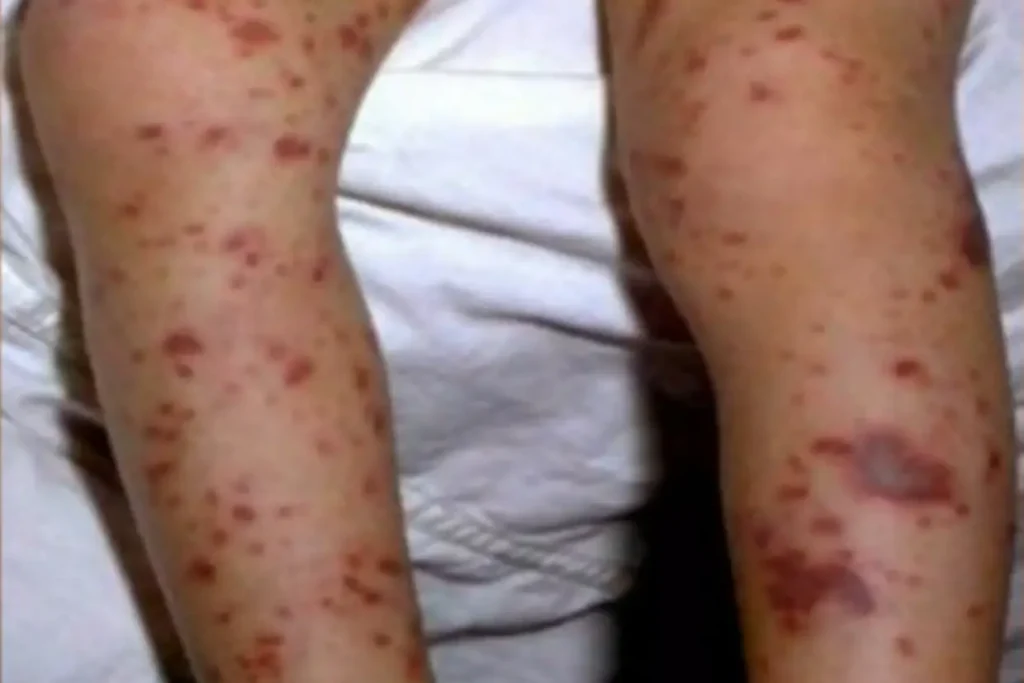
A particularly concerning symptom is the development of a skin rash. It may initially appear as tiny red or purple spots that gradually spread and become larger.
The spots can eventually resemble fresh bruises beneath the skin. Deadly Meningococcal Alert 1st South Australian Death in 3 Years
However, health authorities warn that a rash does not always appear in people with meningococcal disease. Waiting for a rash before seeking medical attention could therefore be dangerous.
The Deadly Meningococcal Alert encourages people to pay attention to changes in their health and seek urgent medical assessment when symptoms suggest a serious infection. Deadly Meningococcal Alert 1st South Australian Death in 3 Years
Meningococcal Symptoms in Babies and Young Children
Health officials are also warning parents and caregivers to watch for different symptoms in babies and young children.
Young children may not be able to explain how they feel, which can make it more difficult to recognise the early stages of meningococcal disease.
According to SA Health, possible warning signs include unusual irritability, difficulty waking the child and refusing food. Deadly Meningococcal Alert 1st South Australian Death in 3 Years
Parents should also look for the following symptoms:
- Leg pain or unusual discomfort.
- Cold hands and feet.
- A high-pitched or moaning cry.
- Pale or blotchy skin.
- Unusually coloured skin.
- Difficulty waking or responding normally.
- Refusal to eat or drink.
These symptoms should be taken seriously, particularly when several appear together or the child’s condition deteriorates quickly.
A child who becomes unusually sleepy, difficult to wake or seriously unwell requires urgent medical assessment. Deadly Meningococcal Alert 1st South Australian Death in 3 Years
Parents should trust their concerns if a child appears seriously unwell, even when the symptoms do not seem to match every commonly recognised sign of meningococcal disease.
Why Meningococcal Disease Requires Immediate Medical Attention
Meningococcal disease is considered a medical emergency because the infection can develop rapidly and become life-threatening.
The bacteria can cause inflammation of the protective membranes surrounding the brain and spinal cord, a condition known as meningitis. Deadly Meningococcal Alert 1st South Australian Death in 3 Years
It can also enter the bloodstream and cause septicaemia, which may lead to serious complications.
In severe cases, the infection can result in shock and damage to vital organs.
One of the biggest challenges is that symptoms may worsen within hours. A person who initially experiences a headache or fever can become critically ill if the infection is not recognised and treated promptly.
The Deadly Meningococcal Alert highlights the importance of acting quickly rather than waiting for symptoms to become more severe.
Health authorities recommend seeking urgent medical attention whenever warning signs are present.
Anyone who suspects meningococcal disease should not delay getting professional medical help while waiting for additional symptoms to develop.
Seven Close Contacts Receive Preventive Antibiotics
Following confirmation of the infection, health authorities worked to identify people who had been in close contact with the patient.
SA Health confirmed that multiple close contacts had been located and seven individuals were given antibiotics.
Preventive antibiotics are used in certain circumstances to reduce the possibility of infection among people who have been exposed to meningococcal bacteria.
This response is an important public health measure because close contacts may face an increased risk compared with the wider community.
However, the identification and treatment of close contacts do not remove the need for public awareness.
Residents should continue to monitor their health and seek medical attention if concerning symptoms appear. Deadly Meningococcal Alert 1st South Australian Death in 3 Years
The Deadly Meningococcal Alert reinforces the need for cooperation between health authorities, medical professionals and the public to limit the risks associated with serious infectious diseases.
Health Authorities Urge Residents to Stay Alert
The latest fatality has renewed calls for South Australians to understand the warning signs of meningococcal disease and respond quickly if symptoms develop.
Although the infection is relatively uncommon, its ability to progress rapidly makes awareness particularly important.
People should be especially careful when they or someone close to them develops a combination of fever, headache, vomiting, neck stiffness or unusual skin changes.
Parents should also pay attention to behavioural changes in babies and young children, including difficulty waking, unusual crying and refusal to eat.
The Deadly Meningococcal Alert comes at a time when South Australia is reporting more cases than last year, making public awareness and early medical intervention essential.
Health authorities continue to emphasise that anyone experiencing possible symptoms should seek urgent medical assessment rather than waiting for the condition to worsen.
The death of the young Adelaide resident is a tragic reminder that meningococcal disease can affect people of different ages and become life-threatening within a short period.
Recognising symptoms early, obtaining immediate medical care and following public health advice remain the most important steps in responding to this serious infection.


