
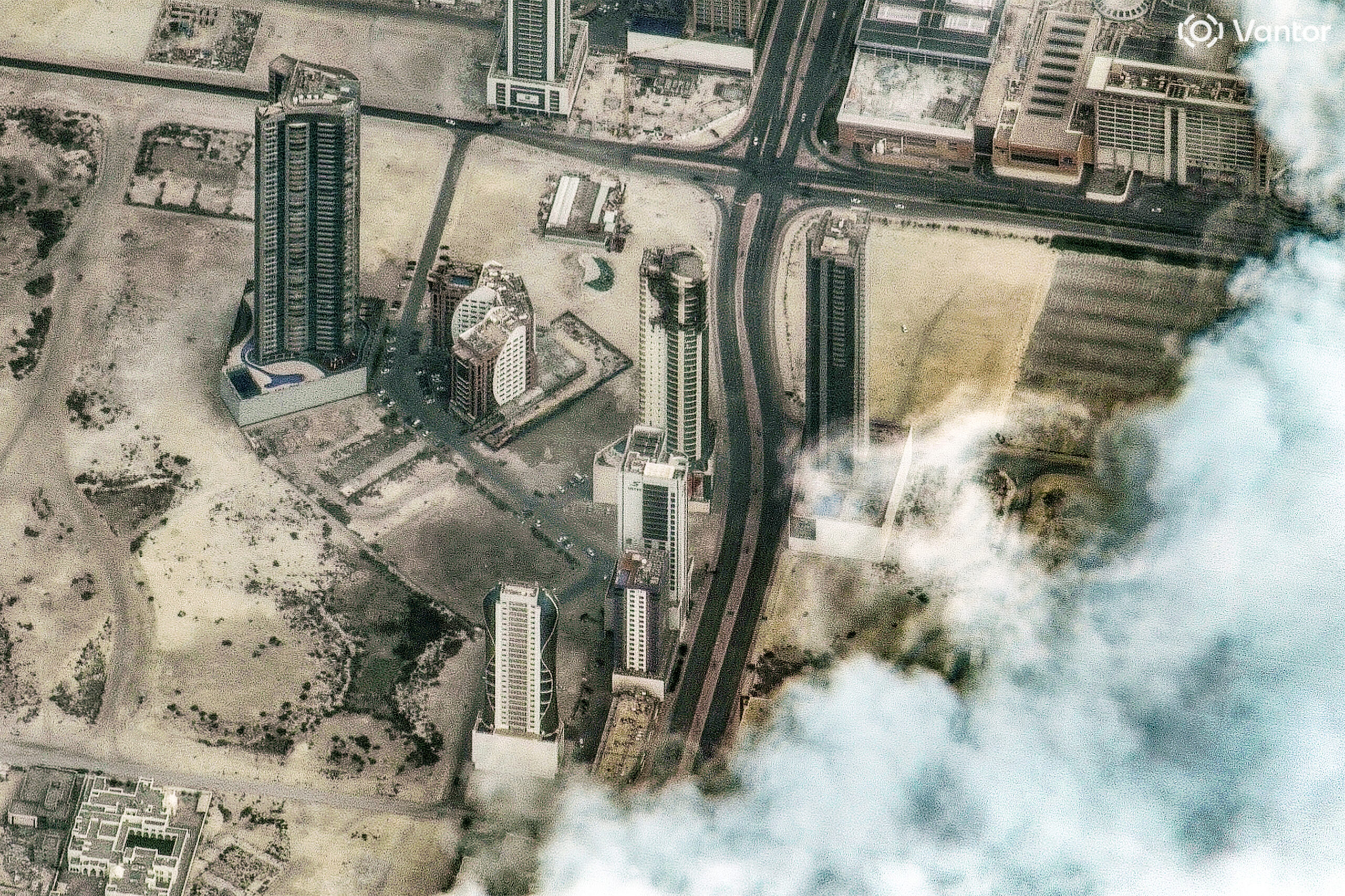
Shocking Gulf Attack 20+ Wounded in Bahrain After Missile, Drone Strikes
Shocking Gulf Attack: Drone Strike in Bahrain Injures 32 as Gulf Tensions Rise
The Middle East woke up to another alarming development after a Shocking Gulf Attack left dozens of civilians injured in Bahrain. Authorities confirmed that an Iranian drone strike hit the island of Sitra overnight, injuring 32 Bahraini citizens. The Shocking Gulf Attack has also raised new concerns about regional security, energy supplies, and diplomatic stability.
Drone Strike Hits Bahrain’s Sitra Island
According to Bahrain’s health ministry, the Shocking Gulf Attack targeted the island of Sitra late Sunday night. Emergency services rushed to treat 32 injured people, including several in serious condition.
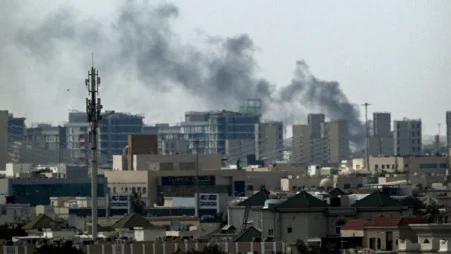
Officials confirmed that all the victims were Bahraini citizens. Among the wounded were children, highlighting the tragic human cost of the conflict. Four people were reported to be in critical condition.
One of the most heartbreaking cases involved a 17-year-old girl who suffered severe head and eye injuries. Medical officials also confirmed that a two-month-old baby was among those injured during the Shocking Gulf Attack.
Doctors said that several patients required urgent surgeries and specialized care due to the nature of their injuries.
Explosions Reported in Qatar
While Bahrain dealt with the aftermath of the Shocking Gulf Attack, other Gulf countries also reported new incidents. In Qatar’s capital Doha, several explosions were heard early Monday morning.
Journalists in the city confirmed hearing loud blasts, raising fears of further strikes across the region.
Saudi Arabia Intercepts Drone Waves
Saudi Arabia also faced threats during the same period. The country’s defense ministry announced that its forces intercepted and destroyed two waves of drones heading toward the Shaybah oil field in the southeastern region.
The Shaybah oil facility is one of the kingdom’s key energy production sites. The National Emergency Crisis and Disaster Management Authority confirmed that air defense systems were activated to respond.
Officials did not provide details about whether the missile was intercepted or where it originated. However, the alert itself showed how widespread the security concerns have become following the Shocking Gulf Attack in Bahrain.
The UAE has been increasing surveillance and air defense readiness in recent weeks as tensions across the Gulf region intensify.
Kuwait Under Continued Threat
Kuwait also experienced renewed threats after authorities reported another missile and drone attack attempt on Monday. Just a day earlier, the country had already been targeted by seven missiles and five drones.
Kuwaiti defense officials said their air defense systems were working to intercept the latest attack. Washington announced that it is ordering some embassy staff to leave Saudi Arabia due to safety concerns.
The US State Department issued a travel advisory instructing non-essential government employees and family members to depart the country.
Officials said the decision was made because of increasing risks following several Shocking Gulf Attack incidents targeting both civilian areas and diplomatic facilities.
Drone Strikes Target US Embassies
Recent drone strikes have also targeted US diplomatic missions in the region. Last week, drones reportedly struck the US embassy compound in Riyadh, Saudi Arabia’s capital.
Additional drone attacks caused damage to US embassies in Kuwait and the United Arab Emirates.
Although casualties were not reported in these incidents, they demonstrate the expanding reach of the conflict. Security analysts say these attacks are part of the wider retaliation campaign linked to the Shocking Gulf Attack escalation across the region.
Iran’s Warning to Gulf Neighbors
Iranian President Masoud Pezeshkian recently issued a strong warning to neighboring countries. He stated that Iran would be forced to respond if its neighbors allowed their territory to be used for attacks against the Islamic Republic.
The statement has added to fears that the conflict could expand further if diplomatic efforts fail.
Security experts say the recent Shocking Gulf Attack events highlight the fragile balance in the region.



Pingback: Shocking Energy Crisis Bangladesh Shuts Universities, 5 City