
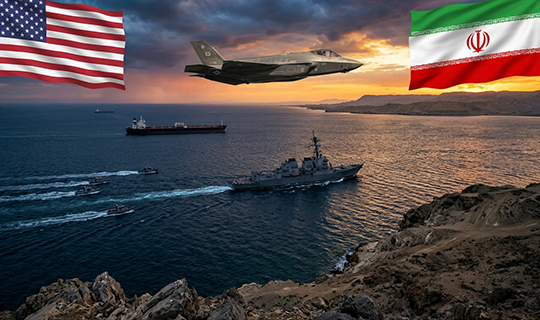
Trump Calls 24-Hour Massive US Strikes on Iran ‘Highly Unlikely’ Now
Trump Hints at De-escalation as Midterm Fallout Reshapes US Strategy in Iran
Following a bruising set of midterm election results for Republicans, US President Donald Trump announced from the White House press briefing room on Monday that renewed military action against Tehran is doubtful for now. Speaking to reporters, Trump stated that Iran militarily is effectively over, signaling potential movement toward diplomacy after months of heightened regional tension. However, the administration’s sudden pivot toward restraint has sparked fierce debate in Washington, fluctuating energy markets, and renewed scrutiny over military strategy in the Persian Gulf.
1. Midterm Pressure and a Shift in Tone
The political landscape in Washington shifted dramatically following last week’s midterms, where Republicans suffered significant losses across major races. Senior Republican figures, including Vice-President JD Vance, directly attributed the poor performance to ongoing military engagements in the Middle East and rising economic anxiety at home.
In the weeks leading up to the election, military posture remained aggressive. Trump announced that US forces conducted what he described as minor strikes on an Iranian island situated in the strategic Strait of Hormuz. Yet, during an interview with 60 Minutes that aired on Sunday, the president adopted a markedly different tone, stating he did not currently see any reason to escalate the conflict further.
┌────────────────────────────────────────────────────────┐
│                   MARKET IMPACT                        │
│   Brent Crude:  $91.50/bbl (▼ 1.0% lower)             │
│   WTI Crude:    $85.82/bbl (▼ 1.2% lower)             │
└────────────────────────────────────────────────────────┘
When asked directly why he would not formally declare an immediate end to the war, Trump emphasized ongoing obligations to partner nations in the region. “We have some great allies there and we have to make sure they’re not hurt,” he noted, maintaining that the active US naval blockade on Iranian ports remains vital for regional stability.
2. Media Coverage and the “Trump Calls 24-Hour Massive US Strikes” Narrative
Despite the administration’s current push for restraint, public perception remains divided by earlier escalation warnings. During peak periods of tension, media headlines declared Trump Calls 24-Hour Massive US Strikes as potential options on the table. While official statements now highlight diplomatic avenues, critics argue that aggressive headlines like Trump Calls 24-Hour Massive US Strikes created persistent uncertainty across international markets.
| Event Timeline | Action / Statement | Primary Impact |
| February | Joint US-Israeli strikes | Commencement of regional warfare |
| Pre-Midterms | Island strikes in Strait of Hormuz | Elevated market volatility |
| Post-Midterms | White House status quo announcement | Brent Crude drops to $91.50 |
| Current Pivot | Diplomatic talks with Qatar | Focus on naval blockade & peace deal |
Diplomats closely monitoring the situation note that even when media outlets reported Trump Calls 24-Hour Massive US Strikes, backend communications with Gulf partners focused heavily on containment. Yet, whenever commentators reiterated that Trump Calls 24-Hour Massive US Strikes, energy traders priced in immediate supply disruptions. Consequently, moving away from scenarios where Trump Calls 24-Hour Massive US Strikes has proven necessary to stabilize global oil benchmarks.
Iranian officials, however, have repeatedly expressed deep skepticism toward Washington’s shifting statements. Tehran maintains that prior rhetoric—especially periods where news channels broadcasted Trump Calls 24-Hour Massive US Strikes—contradicts current claims of pursuing genuine peace.
3. High-Stakes Diplomacy in the Oval Office
Alongside statements of restraint, official diplomatic channels have reactivated. On Monday, Trump hosted Qatari Prime Minister Sheikh Mohammed bin Abdul Rahman Al Thani in the Oval Office to discuss potential frameworks for resolving the crisis. Trump described the meeting as an “excellent conversation,” pointing to “positive momentum” behind negotiations.
Taking to X (formerly Twitter), the Qatari leader confirmed holding positive discussions with both Trump and Vance aimed at reaching a durable deal. Because Washington and Tehran lack direct diplomatic channels, efforts to broker peace have relied on indirect mediators since joint US-Israeli strikes broke out in February.
                  ┌──────────────────────┐
                  │    United States     │
                  └──────────┬───────────┘
                             │
                     Indirect Dialogue
                             │
                  ┌──────────▼───────────┐
                  │   Qatari Mediators   │
                  └──────────┬───────────┘
                             │
                     Indirect Dialogue
                             │
                  ┌──────────▼───────────┐
                  │        Iran          │
                  └──────────────────────┘
The Gulf coalition—including Saudi Arabia, Qatar, and the United UAE—has absorbed significant fallout throughout the conflict, experiencing direct strikes and severe air travel disruptions. Maintaining the naval blockade while pursuing mediation allows Washington to balance security guarantees for its partners with a domestic desire to avoid protracted conflict.
4. Political Backlash and Impeachment Threats
The strategy shift has not shielded the administration from political turmoil at home. Post-election recriminations over the war have triggered severe friction within the Republican party.
On Monday, Republican Congressman Thomas Massie launched a fierce public attack against Defence Secretary Pete Hegseth, introducing a motion in the House of Representatives requesting a vote to impeach him over the management of the Iran war.
┌─────────────────────────────────────────────────────────────────┐
│                    CAPITOL HILL TENSIONS                        │
│                                                                 │
│   Massie (R-KY): Files impeachment motion against Hegseth.      │
│   Hegseth (SecDef): Calls impeachment attempt a "sham."        │
│   Trump (President): Maintains full backing of Defense Chief.   │
└─────────────────────────────────────────────────────────────────┘
The political dynamics surrounding defense policy reflect deep party divides:
-
Congressional Dynamics: While the impeachment effort is unlikely to pass before the current congressional session ends in January, incoming Democratic majorities in both the House and Senate have signaled a strong willingness to pursue formal investigations into defense leadership.
-
Rhetorical Fallout: Analysts point out that historical messaging where Trump Calls 24-Hour Massive US Strikes will feature heavily in upcoming congressional oversight hearings.
5. Global Energy Markets React to De-escalation Signals
Global financial markets responded swiftly to the reduction in military posture. Crude oil prices, which had already fallen sharply following the midterm results, extended their decline as details of the White House press briefing emerged.
During Tuesday afternoon trading in Asia:
-
Brent Crude: Dropped over 1.0% to hit $91.50 (£52) per barrel.
-
WTI Crude: Slipped 1.2% down to $85.82 per barrel.
OIL MARKET RESPONSE
Brent Crude  [████████████████████░░] $91.50 (-1.0%)
WTI Crude    [██████████████████░░░░] $85.82 (-1.2%)
Market analysts emphasize that energy traders are recalibrating risk premiums. During periods when headlines proclaimed Trump Calls 24-Hour Massive US Strikes, oil prices carried a heavy conflict premium due to potential supply bottlenecks in the Strait of Hormuz. As long as Washington avoids scenarios where Trump Calls 24-Hour Massive US Strikes and sticks to maintaining the status quo alongside regional allies, energy prices are expected to find a steady baseline.
6. What Lies Ahead for US-Iran Strategy?
This is not the first time President Trump has declared the conflict “militarily” over, but the political context surrounding his administration has shifted fundamentally. With domestic pressure mounting, midterm losses fresh in memory, and international partners pushing for stability, the administration’s emphasis has turned toward keeping the status quo rather than pursuing broad escalation.
Whether indirect diplomatic negotiations through Qatar can yield a formal, lasting peace treaty remains to be seen. Tehran’s ongoing skepticism, coupled with looming congressional oversight in Washington, guarantees that the administration’s strategic pivot will face strict scrutiny in the months ahead. Trump Calls 24-Hour Massive US Strikes on Iran ‘Highly Unlikely’ Now
For now, the White House continues to rely on a combination of naval deterrence, indirect talks, and strategic restraint to navigate one of the most complex geopolitical challenges of the decade. Trump Calls 24-Hour Massive US Strikes on Iran ‘Highly Unlikely’ Now


Pingback: KP Emergency Crisis TTAP Files 1st Challenge to Illegal