Iran and Oman Near Historic 2-Nation Breakthrough in Final Hormuz Deal
Iran and Oman Near Historic Breakthrough on Strait of Hormuz Shipping Route
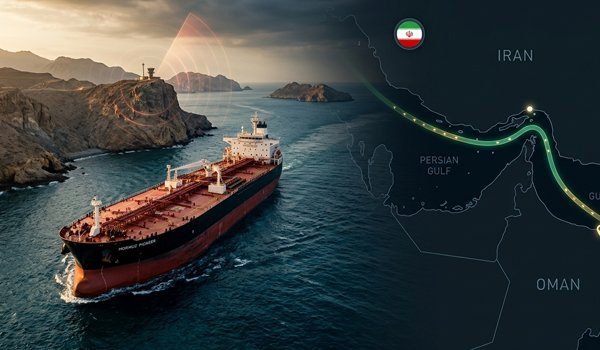
The global energy landscape and international maritime diplomacy reached a critical turning point as Iran and Oman Near Historic agreements regarding the management and navigation of the Strait of Hormuz. In recent days, diplomatic channels between Tehran and Muscat have intensified significantly as Iran and Oman Near Historic consensus on a temporary shipping corridor designed to alleviate severe commercial disruptions.
As one-fifth of the world’s petroleum and liquefied natural gas (LNG) transits through this narrow chokepoint, any structural shift in its administration carries massive geopolitical and financial ramifications. While obstacles remain—primarily due to ongoing military tensions and an American naval blockade—the bilateral discussions mark one of the most tangible diplomatic developments since regional hostilities escalated.
The Core Framework of the Proposed Maritime Agreement
The primary objective of the current negotiations centers on establishing a single, coordinated shipping lane to replace the traditional two-way Traffic Separation Scheme (TSS). According to Iranian Foreign Ministry spokesperson Esmaeil Baqaei, technical and political delegations have successfully designated the precise geographic coordinates for the new transit path.
┌─────────────────────────────────────────────────────────────────────────┐
│                    PROPOSED STRAIT OF HORMUZ CORRIDOR                   │
├─────────────────────────────────────────────────────────────────────────┤
│  • Entry Point  : Iranian-Controlled Inbound Corridor                   │
│  • Exit Point   : Omani-Controlled Outbound Corridor                    │
│  • Duration     : Temporary Framework (2 to 4 Months)                   │
│  • Oversight    : Joint Maritime Safety & Inspection Protocol           │
└─────────────────────────────────────────────────────────────────────────┘
The realization that Iran and Oman Near Historic alignment on geographic parameters provides a framework for managing vessel traffic under unified safety protocols. Deputy Foreign Minister Kazem Gharibabadi clarified that this arrangement is intended as a temporary measure, likely remaining active for two to four months while long-term security architecture is evaluated.
Key Negotiation Disagreements & Strategic Positions
Despite technical progress, significant political differences persist among regional actors and global powers. The table below outlines the core positions held by key stakeholders involved in or affected by the Strait of Hormuz discussions:
| Stakeholder | Proposed Transit Fee | Operational Control Preference | Position on Naval Blockade |
| Iran | 5% – 7% cargo value | Iranian jurisdiction over entry lanes | Demands immediate lifting of U.S. port blockade |
| Oman | ~3% regulatory fee | Shared bilateral maritime management | Mediates for de-escalation & open transit |
| United States | 0% (Free Transit) | Unrestricted international waterway | Maintains naval blockade pending full agreement |
As reports confirm Iran and Oman Near Historic compromises regarding route coordination, the issue of transit tariffs remains a major sticking point. Tehran has advocated for transit fees between 5% and 7% of cargo value to cover security and environmental monitoring services. Muscat has floated a lower 3% fee structure, whereas Washington firmly opposes any transit charges, maintaining that international waters must remain free from unilateral taxation.
Security Challenges and the Impact of the U.S. Blockade
Technical coordination alone cannot fully guarantee safe passage through the waterway. Spokesperson Baqaei explicitly warned that even if Iran and Oman Near Historic technical arrangements, true security across the strait cannot be assured while the United States maintains its naval blockade against Iranian ports.
“The factors making the Strait of Hormuz insecure still exist on the part of the United States, particularly the naval blockade and other aggressive and threatening actions against Iran and its interests.”— Esmaeil Baqaei, Iranian Foreign Ministry Spokesperson
The breakdown of the earlier June Memorandum of Understanding (MoU)—which aimed to restore transit for a 60-day window—serves as a cautionary precedent. A surge in tit-for-tat military actions rapidly nullified that agreement, emphasizing that diplomatic progress on shipping lanes remains highly vulnerable to broader military dynamics in the region.
Global Energy Markets and Economic Implications
The instability in the Strait of Hormuz has created volatile fluctuations in global oil and gas prices. Daily commercial vessel transits plummeted from approximately 130 ships per day prior to the conflict to fewer than 10 per day during peak escalation.
Following announcements that Iran and Oman Near Historic understanding on shipping coordinates, energy markets reacted with guarded optimism. Global benchmark Brent crude edged slightly lower to around $79.24 per barrel as traders weighed the potential for restored supply flows against the risk of ongoing geopolitical friction.
For in-depth analysis on energy market dynamics and global trade routes, consult reliable resources such as the U.S. Energy Information Administration (EIA) and international reporting from Reuters Energy News.
Leadership Dynamics and Internal Political Context
The diplomatic push occurs against a complex domestic background within Iran. Following the death of Supreme Leader Ayatollah Ali Khamenei during the initial outbreak of conflict, his son, Mojtaba Khamenei, succeeded him. However, the younger Khamenei has maintained a very low public profile due to injuries sustained in the same strikes.
President Masoud Pezeshkian acknowledged that direct communication with the new Supreme Leader has been difficult, though he affirmed that routine consultation on major strategic decisions continues. The unity between Iranian civil leadership and military commanders will be crucial as Iran and Oman Near Historic finalization of the shipping draft, ensuring that any signed agreement is upheld across all branches of government.
The Role of International Mediation and Next Steps
The diplomatic efforts led by Muscat highlight Oman’s long-standing role as a neutral mediator in Middle Eastern politics. As observers observe that Iran and Oman Near Historic accord milestones, pressure mounts on third-party nations to avoid actions that could disrupt the fragile consensus.
                              ┌──────────────────────┐
                              │  Bilateral Talks     │
                              │  (Tehran & Muscat)   │
                              └──────────┬───────────┘
                                         │
                                         ▼
                              ┌──────────────────────┐
                              │ Technical Route Map  │
                              │ Coordinates Agreed   │
                              └──────────┬───────────┘
                                         │
                                         ▼
                              ┌──────────────────────┐
                              │ Draft Joint Statement│
                              │ Under Final Review   │
                              └──────────┬───────────┘
                                         │
                                         ▼
                              ┌──────────────────────┐
                              │ Implementation Phase │
                              │ (Subject to Clearance│
                              └──────────────────────┘
The coming days will prove decisive. If Iran and Oman Near Historic consensus on the final joint statement without external interference, the temporary corridor could open commercial traffic for a 60-to-120-day evaluation period.
As Iran and Oman Near Historic resolution steps, the global community remains attentive. Reopening the Strait of Hormuz under a structured bilateral agreement represents an important first step toward broader economic stabilization and de-escalation across critical international trade routes.