
Historic Peace 2 Nations Agree Ceasefire If Hezbollah Stops Attacks
Historic Peace 2 Nations Agree Ceasefire Under Strict Conditions
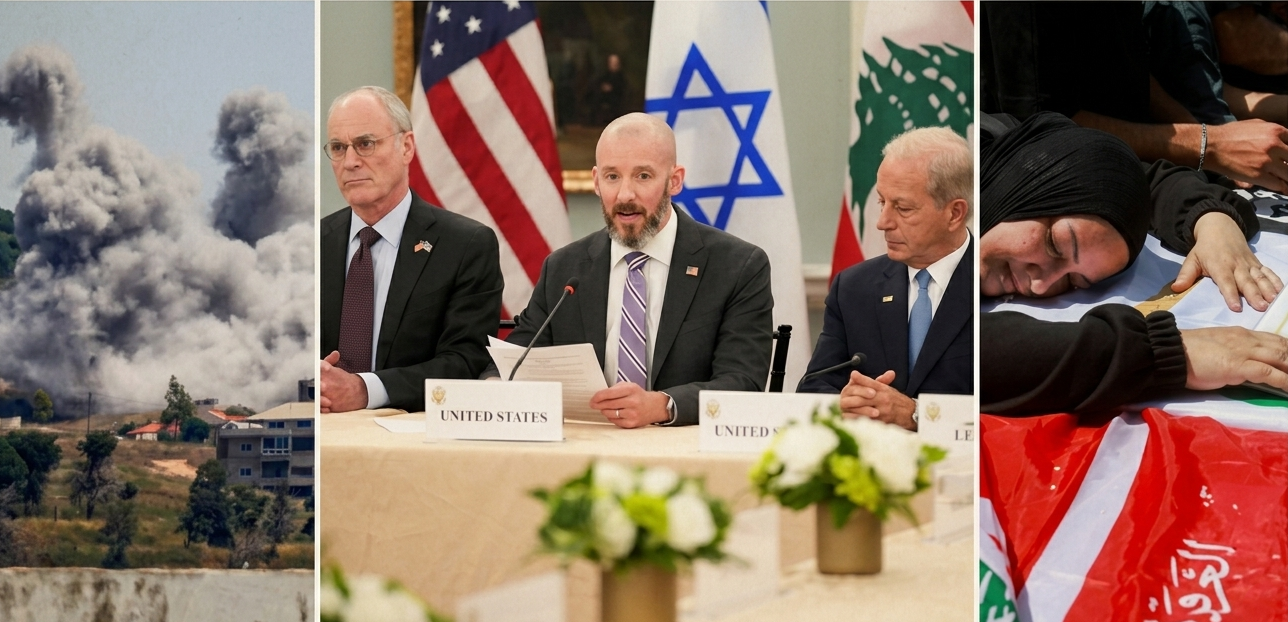
The Middle East stands at a critical geopolitical crossroads. In a major diplomatic breakthrough, Israel and Lebanon have reached a pivotal understanding to halt active hostilities. The US State Department officially announced the agreement in a statement, marking a renewed push for stability in a region deeply scarred by months of intense warfare.
This development is being hailed by diplomats as a potential stepping stone toward an enduring truce. The announcement of a Historic Peace: 2 Nations Agree Ceasefire brings a cautious sense of hope to millions of civilians caught in the crossfire, though the path ahead remains fraught with immense security challenges. Historic Peace 2 Nations Agree Ceasefire If Hezbollah Stops Attacks
The Core of the Agreement: Contingencies and Conditions
The newly brokered agreement is not an unconditional truce. According to official diplomatic channels, the implementation of the ceasefire is strictly “contingent on a complete cessation” of attacks from Hezbollah, the Iran-backed armed group operating out of Lebanon.
                          [ US-Brokered Washington Talks ]
                                         │
                   ┌─────────────────────┴─────────────────────┐
                   ▼                                           ▼
      [ Strict Hezbollah Conditions ]             [ Territorial Restructuring ]
     • Complete cessation of attacks             • Evacuation south of Litani River
     • Full evacuation of operatives             • Pilot zones under LAF control
This arrangement emerged after a grueling fourth round of US-brokered talks in Washington, D.C. For the agreement to hold, several non-negotiable conditions must be met:
-
Complete Cessation of Hostilities: Hezbollah must immediately halt all rocket, drone, and cross-border incursions into Israeli territory.
-
Strategic Evacuation: Hezbollah operatives must completely evacuate the area currently controlled by Israel in southern Lebanon, stretching from the strategic Litani River down to the blue line border.
-
Sovereign Governance: All participating countries reaffirmed that the future relationship between Israel and Lebanon must be decided exclusively by their respective sovereign governments, explicitly rejecting attempts by any state or non-state actor to hold Lebanon’s future hostage.
A Fragile Truce Tested by Immediate Violence
The announcement of this diplomatic breakthrough comes at a highly volatile moment. Just hours before the statement was released, a shaky truce initially established in April was pushed to its absolute limits by a fresh surge of violence. Historic Peace 2 Nations Agree Ceasefire If Hezbollah Stops Attacks
Israeli airstrikes targeted southern Lebanon on Wednesday, resulting in the tragic deaths of at least nine people. Among the casualties reported by Lebanon’s health ministry were two heroic paramedics whose ambulance was directly struck in the southern Chehour area, located roughly 14 kilometers east of Tyre. Another targeted strike hit a vehicle just south of the capital city, Beirut. Additional casualties in the al-Housh area included four Syrian and two Palestinian nationals.
In direct retaliation, Hezbollah launched a barrage of rockets and drones into northern Israel. The Israeli military reported that its air defense systems successfully intercepted a drone and two projectiles that crossed the border, while Hezbollah claimed it had successfully targeted a gathering of Israeli troops. This rapid escalation underscored the profound fragility of the situation, making the announcement of a Historic Peace: 2 Nations Agree Ceasefire look both incredibly urgent and highly vulnerable.
Timeline of Recent Escalations:
┌────────────────────────────────────────────────────────────────────────┐
│ April: Initial shaky truce agreed between parties                      │
├────────────────────────────────────────────────────────────────────────┤
│ Monday: Partial ceasefire established to protect Beirut and Dahieh     │
├────────────────────────────────────────────────────────────────────────┤
│ Wednesday: Israeli strikes kill 9; Hezbollah fires retaliatory rockets │
├────────────────────────────────────────────────────────────────────────┤
│ Wednesday Evening: US State Department announces the new agreement     │
└────────────────────────────────────────────────────────────────────────┘
Understanding the Framework and Future Talks
This latest diplomatic framework follows a more localized, partial ceasefire established on Monday. Under that initial arrangement, Lebanon indicated that Israel would refrain from launching broad offensives against the capital city of Beirut, provided that Hezbollah withheld attacks against Israeli communities. Historic Peace 2 Nations Agree Ceasefire If Hezbollah Stops Attacks
To prevent total collapse, the United States plans to guide the creation of specialized “pilot zones.” In these areas, the Lebanese Armed Forces (LAF) are slated to take exclusive security control of the territory, entirely excluding non-state armed actors. While specific operational details regarding these pilot zones remain scarce, the overarching goal is clear: empowering Lebanon’s sovereign military to stabilize its own borders.
Global leaders are watching closely to see if this Historic Peace: 2 Nations Agree Ceasefire can transform into a lasting reality. Representatives from both nations are scheduled to meet again on June 22 to engage in further high-level talks, with the ultimate objective of hammering out a comprehensive, permanent peace treaty.
The Hezbollah Factor: Internal Friction and Rejection
The ultimate success of this diplomatic endeavor remains highly uncertain due to internal divisions within Lebanon. Hezbollah—a powerful Shia Muslim political and military organization—is classified as a terrorist organization by Israel, the United States, the United Kingdom, and several other nations. The group has a long history of violent conflict with Israel and operates largely independently of the central Lebanese government.
As of Wednesday evening, Hezbollah had not issued an official public commentary regarding the Washington announcement. However, cracks in the agreement’s viability are already showing. Mahmoud Qamati, a prominent member of Hezbollah’s political council, openly disputed the narrative in an interview with the BBC, stating flatly, “There was no ceasefire agreement, just the protection of Dahieh.”
Furthermore, Qamati insisted that Hezbollah does not feel bound by any diplomatic commitments made during the Washington talks. “We think these negotiations do not concern us, nor do we recognise their findings or decisions, because we have rejected them on principle,” he stated. This internal defiance poses a massive roadblock to the Historic Peace: 2 Nations Agree Ceasefire framework, as the agreement’s core contingency relies entirely on Hezbollah’s compliance.
       ┌─────────────────────────────────────────────────────────┐
       │             THE REJECTIONIST DILEMMA                    │
       ├─────────────────────────────────────────────────────────┤
       │ "We think these negotiations do not concern us, nor do  │
       │  we recognise their findings or decisions..."           │
       │                                                         │
       │                     — Mahmoud Qamati, Hezbollah Council │
       └─────────────────────────────────────────────────────────┘
The Devastating Human Toll of the Conflict
The urgent necessity for a functional Historic Peace: 2 Nations Agree Ceasefire is vividly reflected in the catastrophic human cost accumulated since the war escalated on March 2. The conflict originally flared when Hezbollah launched a massive rocket barrage into Israel following an Israeli airstrike that killed Iran’s supreme leader, dragging Lebanon directly into a wider confrontation involving the US, Israel, and Iran.
The statistical reality of this war is sobering:
-
Loss of Life in Lebanon: According to the Lebanese health ministry, at least 3,516 people have been killed since the outbreak of hostilities. These figures combine both combatants and civilians.
-
Mass Displacement: The United Nations reports that more than one million individuals have officially registered as internally displaced within Lebanon. Israeli evacuation orders currently blanket more than one-eighth of the entire country.
-
Casualties in Israel: On the opposite side of the border, Israel has reported the loss of 26 soldiers and four civilians over the course of the campaign. Historic Peace 2 Nations Agree Ceasefire If Hezbollah Stops Attacks
Last week, following a wave of drone and rocket attacks on northern Israeli communities, Prime Minister Benjamin Netanyahu ordered the Israeli military to intensify strikes and push deeper into southern Lebanese territory, rendering an earlier April ceasefire entirely obsolete.
The Path Forward: Can the Truce Hold?
Prior to the formal US State Department release, US Secretary of State Marco Rubio expressed cautious optimism to reporters. He emphasized that the overarching goal of the administration is to establish a clear, actionable security plan for Lebanon that functions entirely independent of Hezbollah’s influence. Historic Peace 2 Nations Agree Ceasefire If Hezbollah Stops Attacks
Whether the Historic Peace: 2 Nations Agree Ceasefire survives until the upcoming June 22 negotiations depends entirely on the ground realities over the next few days. If the Lebanese Armed Forces can successfully deploy to the proposed pilot zones and Hezbollah restrains its regional command structure, a broader conflict might be averted. Conversely, if cross-border provocations continue, the region risks sliding back into an all-out war.
Frequently Asked Questions (FAQ)
What is the primary condition of the new Israel-Lebanon ceasefire?
The implementation of the ceasefire is strictly contingent on Hezbollah completely halting its attacks against Israel and evacuating its operatives south of the Litani River.
When are the next diplomatic talks scheduled to take place?
Israel and Lebanon are scheduled to meet again on June 22 to pursue a more comprehensive and permanent peace agreement.
What role will the Lebanese Armed Forces (LAF) play?
The US will help guide the creation of specific “pilot zones” where the official Lebanese Armed Forces will assume exclusive territorial and security control, pushing out non-state actors. Historic Peace 2 Nations Agree Ceasefire If Hezbollah Stops Attacks