
Iran Signals Pause 5 Critical Terms to Stop Strikes on Neighbours
Iran Signals Pause as Pezeshkian Says Neighbours Will No Longer Be Targeted
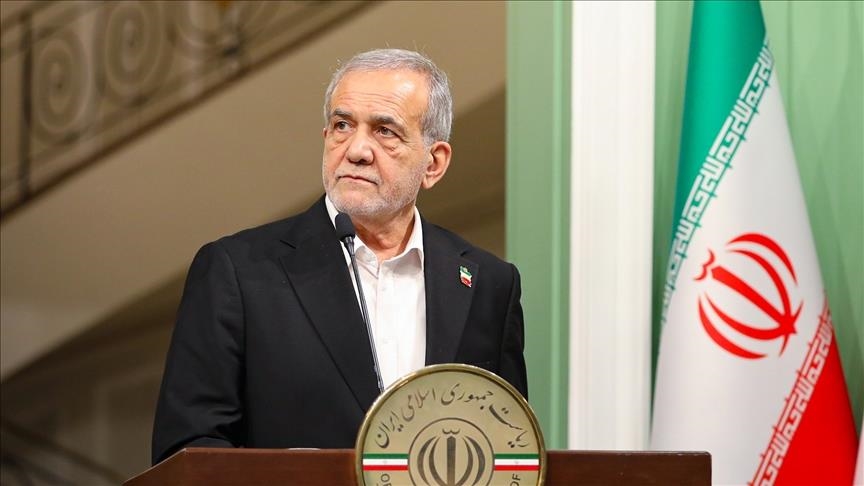
The escalating conflict in the Middle East entered its second week with a potentially important development. Iran’s President Masoud Pezeshkian announced that Tehran would stop targeting neighbouring countries unless attacks against Iran originated from their territories.
The statement has been seen by analysts as a small but meaningful shift in the tone of the conflict. While tensions remain extremely high, the message that Iran Signals Pause in attacks on neighbouring states could open a narrow window for de-escalation in a war that has already shaken the region.
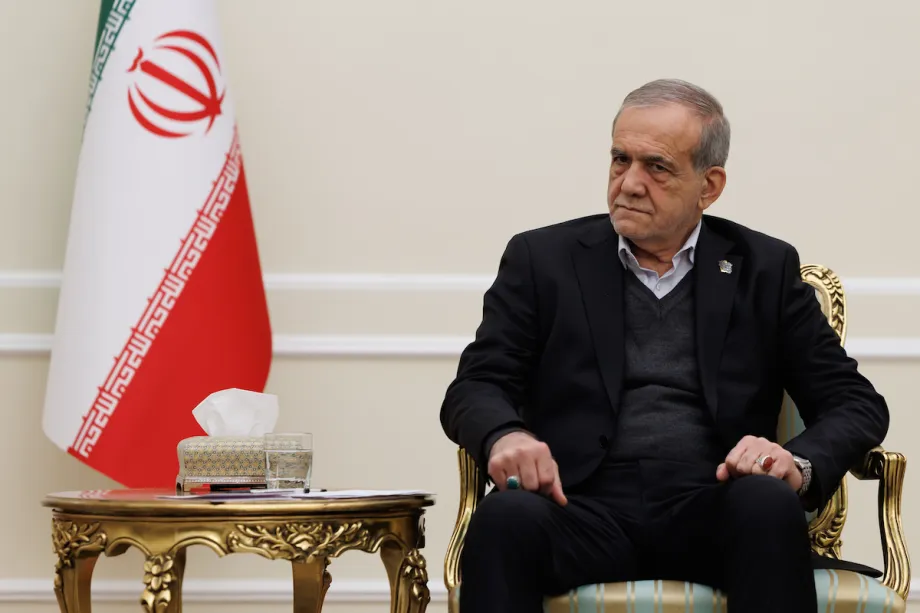
Pezeshkian confirmed that Iran’s interim leadership council approved the decision during a meeting on Friday. The announcement was delivered in a recorded address broadcast by Iranian media.
A Region Already Under Pressure
Since the start of the conflict, several countries in the Gulf and surrounding areas have found themselves caught in the crossfire.
When the Iranian president said that Iran Signals Pause in attacks against neighbouring countries, it was interpreted by some analysts as an attempt to reassure regional partners that Iran does not seek a wider regional war.
However, the president made it clear that the policy comes with a condition. If any attack on Iran is launched from the territory of neighbouring countries, Iran reserves the right to respond.
Pezeshkian Apologises to Regional States
In his statement, Pezeshkian also expressed regret for the attacks that had already taken place across the region.
He acknowledged that several neighbouring states had been affected during the initial phase of the conflict. The president said Iran respects the sovereignty of its neighbours and does not intend to harm them.
This moment of diplomacy came as Iran Signals Pause in its military actions toward nearby countries.
Observers say the apology may be aimed at easing tensions with Gulf states that have faced drone and missile strikes in recent days.
Civilian Impact and Rising Casualties
In his speech, Pezeshkian strongly condemned the attacks carried out by US and Israeli forces.
He said residential areas, schools, and hospitals had been hit during the strikes, describing the attacks as violations of international law.
According to reports, more than 1,200 Iranian citizens have been killed during the first week of the conflict.
Despite the devastation, the president emphasized that Iran would continue defending its sovereignty.
Even as Iran Signals Pause toward neighbouring states, Tehran has made it clear that it will continue responding to attacks from its primary adversaries.
Strong Message to Washington
Pezeshkian also delivered a firm message to the United States.
Responding to calls from Washington for Iran to surrender, he rejected the demand outright.
He said the idea that Iran would accept unconditional surrender was unrealistic and unacceptable.
Instead, he urged national unity among the Iranian people and called for solidarity in defending the country’s independence.
Even while Iran Signals Pause regarding neighbouring states, Tehran continues to adopt a strong stance toward the United States and Israel.
The Role of the Revolutionary Guard
Despite the president’s statement, some analysts believe the real power over military decisions lies elsewhere.
Iran’s Islamic Revolutionary Guard Corps (IRGC) remains the most influential force in the country’s security structure.
For this reason, some observers question how much impact the message that Iran Signals Pause will actually have on the battlefield.
IRGC Issues Its Own Warning
Shortly after the president’s statement, the IRGC released its own message.
The group said it respects the sovereignty of neighbouring countries and has no intention of attacking them without cause.
However, the statement also included a clear warning.
If hostile actions against Iran continue, all US and Israeli military bases in the region could become targets for Iranian strikes.
The message reinforced the idea that while Iran Signals Pause toward neighbouring states, the broader conflict remains far from over.
Gulf Countries Under Pressure
Several Gulf nations have already experienced the effects of the conflict.
Countries such as Saudi Arabia, Qatar, the United Arab Emirates, Kuwait, Bahrain, and Oman host US military assets or strategic infrastructure.
Because of this, they have been drawn into the crisis despite not being direct participants in the war.


Pingback: Shocking Gulf Attack 20+ Wounded in Bahrain After Missile