
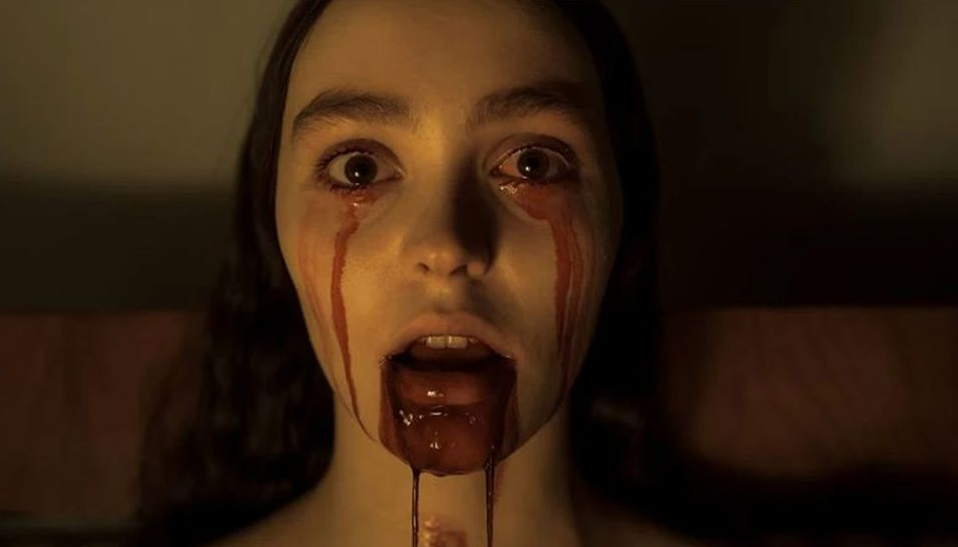
History Today Shocking Order to Destroy 1 a Legendary Horror Film
Only a few days after the film’s release, a German judge issued a destruction order that could have wiped Nosferatu from existence. It’s rare to see a History Today Shocking Order with consequences so massive for art and culture, but this one almost succeeded.
The Lawsuit That Sparked a Cultural Earthquake
Florence Stoker, widow of Bram Stoker, filed a lawsuit claiming that Nosferatu had illegally copied the story of her husband’s novel, Dracula. And honestly, she wasn’t wrong. The similarities were undeniable:
A vampire from Transylvania.
A journey into foreign lands.
The rise of terror in a peaceful community.
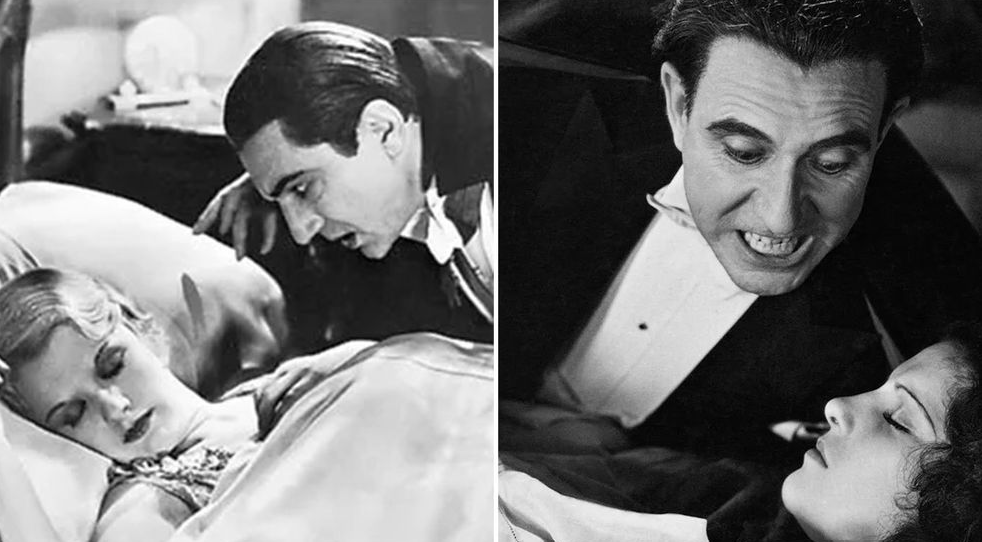
Even though the film changed character names, adjusted plot elements, and altered the ending, the foundations clearly echoed Dracula. What made things even more interesting—and central to our theme of History Today Shocking Order—was the way the movie changed vampire mythology. In Stoker’s book, sunlight weakens vampires. But in Nosferatu, sunlight kills the creature. This was the first time in history that vampires were shown dying from sunlight—a rule that would define almost every vampire story afterward.
The Judge’s Destruction Order
After a long and bitter legal battle, the German court sided with Florence Stoker. The judge issued one of the most dramatic cultural rulings ever:
Every existing copy of Nosferatu must be destroyed.
This wasn’t just a copyright ruling. It was a History Today Shocking Order that threatened to erase a pivotal work of art forever. German authorities complied and reportedly destroyed every reel they could find. People believed that the film was gone for good.
But here’s the twist—Nosferatu survived.
Not because of cinematic preservation.
Not because of filmmakers rebelling.
But because of a series of lucky coincidences, mistakes, and forgotten copies.
The American Copies That Saved the Film
In the United States, the film slipped through the cracks. Several prints had been shipped over before the destruction order, and due to a bureaucratic error, Stoker’s novel had no enforceable copyright in the U.S. That meant Dracula was effectively in the public domain there.
And because of that loophole, Nosferatu lived on.
This lucky escape turned a History Today Shocking Order into a strange blessing. Had the destruction been fully successful, the horror genre would look very different today. We likely wouldn’t have the vampire rules, aesthetics, or dramatic style we now take for granted.
How Dracula Became a Bestseller—Decades Later
Ironically, Florence Stoker fought so hard to protect the legacy of Dracula, but the novel wasn’t even a major hit during Bram Stoker’s life. It wasn’t until film adaptations started appearing that Dracula became globally famous.
The most iconic adaptation came in 1931, starring Bela Lugosi in the English-language version. What many people don’t know is that a Spanish-language version of Dracula was filmed at night on the same sets—with a different cast—and many critics argue it was even better directed.
These adaptations helped lock the Dracula archetype into the cultural imagination. They also reinforced the survival of Nosferatu, because comparisons kept bringing attention back to Murnau’s earlier masterpiece.
This is one of those curious ways a History Today Shocking Order ended up shaping pop culture instead of erasing it.
Nosferatu’s Surprising Second Life
Despite the court ruling, Nosferatu didn’t just survive. It grew into a legend. As the decades passed, directors, fans, and film scholars rediscovered it. Its shadowy visuals, haunting makeup, and silent-era tension became essential study material for horror filmmakers.
Eventually, multiple remakes appeared—two of them in just the past three years. Each version brought new interpretations but preserved the eerie soul of the original. Here again, the legacy of the History Today Shocking Order appears in unexpected ways.
The Cultural Ripple Effect
This story is more than litigation or a lost film. If the History Today Shocking Order had fully succeeded, vampire cinema might have taken a completely different direction.
Instead, that order ironically helped Nosferatu gain even more legendary status. People love a rescued masterpiece, especially one that came so close to vanishing.