
36 Critical Welfare Checks Ignited After Tragic Triple Zero Outage
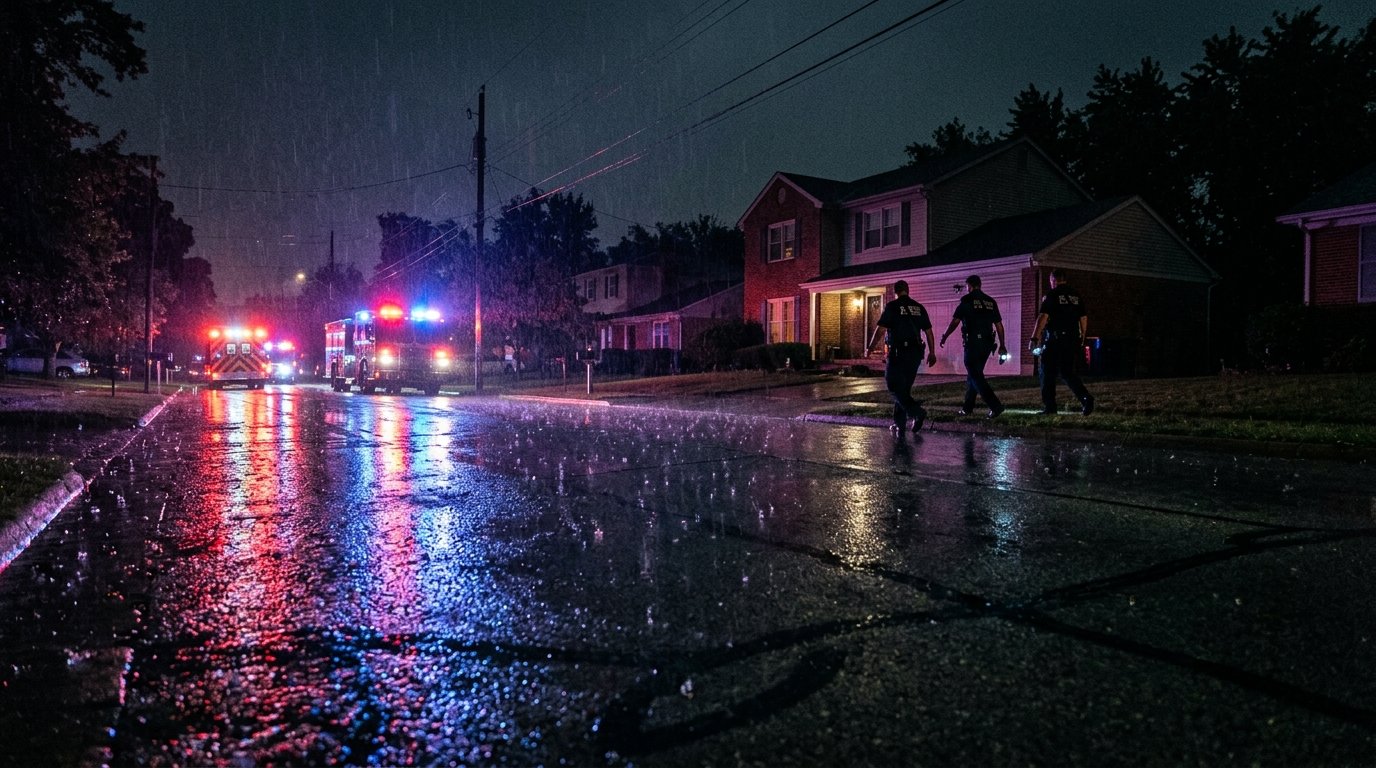
The bedrock of Australia’s public safety infrastructure fractured today, leaving thousands of citizens vulnerable and isolated during a critical crisis. Communications Minister Annika Wells has officially confirmed that emergency Triple Zero calls made from Telstra mobile devices failed on a massive scale during a sweeping nationwide network outage. As a direct result of these dropped life-line connections, emergency protocols dictate that a wave of Critical Welfare Checks Ignited across multiple jurisdictions to ensure that stranded individuals facing medical or safety emergencies were not left to suffer in silence.
The systemic failure has sent shockwaves through the federal government, regulatory bodies, and the public. With the primary communications network of the country failing to route the single most important telephone number in Australia, the incident has highlighted major vulnerabilities in the telecommunications landscape.
The Scope of the Triple Zero Failure
The crisis began in the early hours of the morning when Telstra users nationwide suddenly noticed their devices displaying zero bars of coverage, with many phones forcing themselves into standard “SOS only” or emergency satellite modes. However, for a significant number of individuals trying to reach emergency personnel, even those baseline fallback systems failed to function.
Minister Wells revealed that the Triple Zero Custodian formally advised her office that a noticeable volume of callers were entirely unable to connect to the designated emergency call person. Because missing an emergency call can have fatal consequences, federal regulations mandate that immediate physical interventions take place. Consequently, a series of Critical Welfare Checks Ignited as police and emergency responders rushed to the last known cellular locations of citizens whose dropped calls signaled potential distress.
When pressed by journalists regarding the volume of these emergency operations, Minister Wells confirmed that Telstra was currently managing “about three dozen” urgent field dispatches. While thirty-six might seem like a small fraction compared to the thousands of lines affected, each instance represents a scenario where an Australian citizen requested emergency help and was met with absolute silence. The fact that these Critical Welfare Checks Ignited under legal compulsion underlines how close this network failure came to causing a widespread humanitarian tragedy.
Inside Telstra’s Data Center Failure
Shortly after 10:00 AM AEST, Telstra Chief Financial Officer Michael Ackland addressed a tense media briefing to offer the company’s preliminary findings. According to Ackland, internal investigative teams are tracing the operational collapse to a cluster of specific routing servers housed inside core data centers located in Sydney and Melbourne.
[Sydney Data Center Node] ──(Server Sync Error)──> [Network Outage]
                                                        │
[Melbourne Data Center Node] ───────────────────────────┘
While Ackland repeatedly emphasized that there is currently no concrete evidence pointing toward “malicious activity” or a foreign cyber-attack, he acknowledged the severe real-world harm caused by the server malfunction. He estimated that “thousands” or potentially tens of thousands of consumer lines had experienced total service blackouts.
As a direct consequence of those dropped calls, these Critical Welfare Checks Ignited under standard operating procedures. “We have seen a small number of reports that we are actively investigating,” Ackland explained to reporters. “As part of our standard, legally mandated process, we conduct physical welfare checks when any call to Triple Zero fails unexpectedly.”
The telecommunications provider strongly urged the broader public to refrain from making “test calls” to the emergency line to see if their service had returned. Such amateur testing risks clogging up the recovering network infrastructure at a time when the Critical Welfare Checks Ignited by emergency personnel require maximum bandwidth to preserve human life.
Geopolitical Tensions and Political Fallout
Despite assurances from Telstra leadership that a local server glitch was the likely culprit, the federal opposition was quick to capitalize on the public anxiety surrounding the infrastructure failure. Opposition Leader Angus Taylor noted that it was “no wonder” everyday Australians were drawing immediate connections between the outage and recent regional geopolitical events, including the high-profile launch of a Chinese nuclear-capable missile.
While Taylor admitted he possessed no independent intelligence linking the two events, he insisted that in a modern era where state-sponsored cyber warfare is an active threat, the public deserves transparent answers. He called on Minister Wells to cut her current leave short to manage the unfolding crisis on the ground.
[Geopolitical Tension / Rocket Launches] ──(Public Concern)──> [Cybersecurity Fears]
Meanwhile, controversy erupted within the political sphere after reports emerged that Shadow Communications Minister Sarah Henderson had allegedly stated on Sky News that she had personally conducted “test calls” to Triple Zero during the peak of the blackout. Although public safety agencies explicitly warned against this practice, Taylor defended the behavior, claiming that if the government fails to provide clear answers, citizens will naturally experiment to determine what vital services remain functional. Regardless of political maneuvering, the reality on the ground remained tense as more Critical Welfare Checks Ignited across rural and urban centers to verify the safety of vulnerable populations.
Systemic Vulnerabilities and Market Impacts
The network failure was not isolated strictly to primary Telstra accounts. The systemic crash triggered a domino effect across the broader mobile virtual network operator (MVNO) marketplace. Major budget sub-brands including Belong and Boost Mobile suffered complete blackouts. Similarly, Aldi Mobile, which relies entirely on wholesale access to the Telstra Network, experienced major service dropouts, leaving countless working-class families without digital access.
This widespread disruption had a immediate impact on the financial markets. By mid-afternoon, Telstra’s share price had tumbled by 2.4%, erasing millions in market capitalization as institutional investors reacted to the threat of impending regulatory fines and long-term brand damage.
| Brand Affected | Network Infrastructure | Service Status |
| Telstra Mobile | Core Proprietary Network | Intermittent / 90% Restored |
| Belong / Boost | Telstra Wholly Owned Subsidiary | Severe Outages |
| Aldi Mobile | Wholesale Telstra Architecture | Widespread Disruptions |
Labor representatives reiterated that all mobile carriers operating within Australian borders face incredibly strict legislative guidelines regarding dropped emergency calls. As the Critical Welfare Checks Ignited by this crisis are completed, the Australian Communications and Media Authority (ACMA) will launch an independent, formal investigation. Telstra will be legally required to provide a granular accounting of why its redundancy systems failed to kick in when the data center nodes went offline.
Workers Union Blames Corporate Cost-Cutting
Offering a different perspective on the disaster, the Communication Workers Union (CWU) issued a fiery statement laying the blame squarely at the feet of executive leadership. CWU National Secretary Shane Murphy called the nationwide blackout “utterly shameful,” asserting that the technical failure was a predictable outcome of aggressive, multi-year staff retrenchments and budget-slashing.
“This is what happens when a board of directors prioritizes corporate profit margins and short-term dividend yields over the maintenance of critical national infrastructure,” Murphy stated. “You end up with an understaffed, unreliable network that lets down everyday Australians when they need it most.”
Union technicians claim that preventative server maintenance schedules have been consistently delayed due to a lack of specialized field personnel. As the Critical Welfare Checks Ignited by emergency services work to ensure no lives were lost during the dark window, the union is calling for structural reforms to how national communications utilities are managed and audited.
The Path to Recovery
By late afternoon, Telstra issued a updated statement issuing an unconditional apology to its customer base. The telco announced that technical teams had made significant progress, successfully restoring approximately 90% of normal voice call and data packet traffic across the national grid.
However, full restoration will take time. Because the underlying server nodes must re-sync data across vast geographical distances, users may still experience intermittent dropped lines and delayed text deliveries over the next twenty-four hours.
Federal authorities have made it clear that the immediate priority remains human safety. Even as the bars of coverage return to mobile screens across the continent, the legacy of this blackout will be defined by the tense hours when the Critical Welfare Checks Ignited across Australia. Moving forward, the government must ensure that a single server glitch in a metropolitan data center can never again silence the voices of citizens crying out for emergency assistance.