
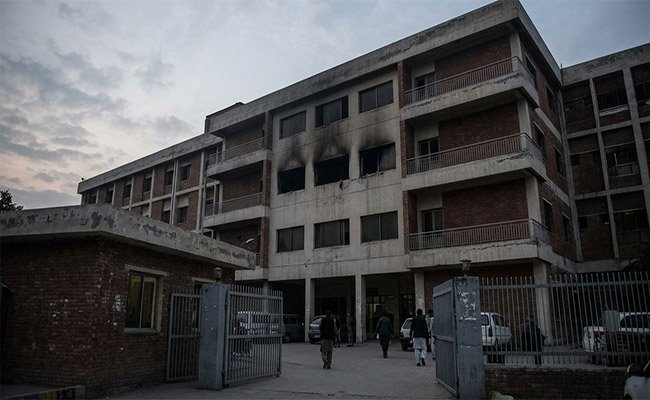
Locked Door Kills 14 Babies in Fatal Pakistan Hospital Fire
It was just past dawn on a Wednesday morning at a state-run maternal unit in the Pakistani capital when absolute horror unfolded. What should have been a place of healing quickly transformed into a inferno.
Fire erupted inside the third-floor neonatal ward, engulfing the room in thick smoke and flames. Out of 15 newborns present, only one survived. The horrifying reality that a locked door kills 14 babies has left a nation grieving and demanding answers from public health authorities.
Dawn of Despair at PIMS Hospital
The tragedy took place at the Pakistan Institute of Medical Sciences (PIMS), one of the primary healthcare facilities serving Islamabad. Eye-witness Hivsa Walid, who was visiting her sister-in-law, initially heard shouts down the hall. Expecting bad news about a single patient, she looked out into the corridor only to see thick, blinding smoke rolling toward them.
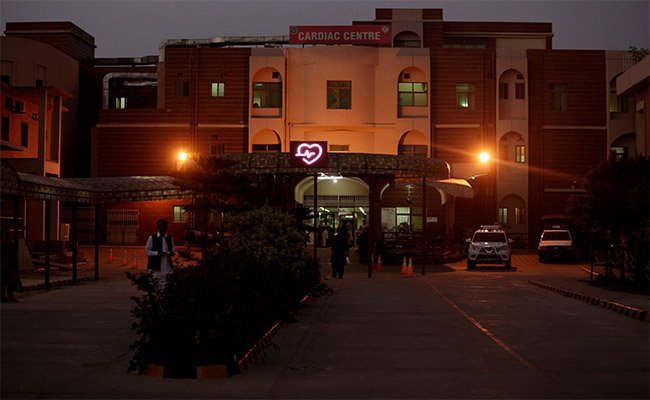
Acting on pure instinct, Walid and her family grabbed her sister-in-law’s newborn—so young she didn’t even have a name yet—and fled into the stairwell. “We didn’t even think about our belongings,” she recalled. “We just grabbed the baby and rushed downstairs. Some patients had delivered their babies just that night. I don’t even know how we managed to get down—it was all a blur.”
While her family managed to escape, dozens of other parents were not as fortunate. As flames quickly spread from an air-conditioning unit, parents frantically tried to reach their newborns, only to find their path blocked by physical barriers and absent emergency staff.
The Critical Barrier: Eyewitness Accounts of Locked Exits
For the parents trapped outside the third-floor neonatal unit, minutes felt like hours. Jaweria, a grieving mother who lost her child in the blaze, recounted the excruciating agony of trying to save her newborn. According to her testimony, the maternity ward doors were completely secured from the inside. “For two hours I kept crying and wailing,” she said. “Why did the doctors leave the children there?”
Witnesses on the scene reported that emergency response was severely delayed. In a desperate bid to bypass the barrier, bystanders had to resort to breaking down doors, while arrival teams eventually smashed exterior windows to battle the flames.
A distraught father who spent eight days visiting his child noted that the facility offered no clear emergency exits or basic safety devices. He explained that staff routinely kept secondary doors secured to restrict visitor access, a practice that directly contributed to the tragic outcome where a locked door kills 14 babies.
Official Defense vs. Institutional Negligence
In response to the growing public outrage, hospital administrators offered a different perspective on the access restrictions. Dr. Rana Imran Sikander, Executive Director at PIMS, denied that the ward was permanently locked without supervision.
He stated that entry points were strictly manned rather than abandoned, emphasizing that security protocols are necessary to prevent baby abductions—an issue that has historically affected government medical facilities in the region.
However, survivors and visitors paint a starkly different picture of the hospital’s operational readiness. Critics point to systemic failures, noting that a major public healthcare provider lacked functional fire suppression systems and trained emergency personnel.
When the blaze ignited, duty staff reportedly panicked or abandoned their posts, leaving panic-stricken families to navigate smoke-filled hallways without guidance. The painful reality that a locked door kills 14 babies underscores a devastating breakdown in basic safety standards.
A Recurring Pattern in Infrastructure Safety
This heart-wrenching incident is far from an isolated occurrence in the region. Pakistan has struggled for decades with poor building code enforcement, inadequate fire safety regulations, and lax municipal inspections. Commercial buildings, public markets, and public hospitals frequently operate without functional fire exits, alarm systems, or modern suppression equipment.
Just months prior, a devastating fire at a major shopping mall in Karachi claimed dozens of lives. In that disaster, survivors similarly reported that locked emergency exits prevented rapid evacuation, trapping victims inside burning structures. The repeat scenario in Islamabad proves that regulatory oversight remains dangerously flawed. Time and again, institutional failure ensures that a locked door kills 14 babies or trapped citizens in preventable disasters.
Political Fallout and Calls for Accountability
The disaster at PIMS quickly drew national attention, prompting immediate action from government officials. Prime Minister Shehbaz Sharif issued a statement expressing “deep sorrow and heartfelt regret” over the tragic loss of life. Recognizing the severity of the institutional failure, the Prime Minister ordered a comprehensive investigation and suspended Federal Health Secretary Aslam Ghauri.
While administrative suspensions demonstrate immediate official action, grieving families emphasize that systemic reform is required to prevent future tragedies.
“Such a situation with children is irreparable,” the Prime Minister’s office acknowledged, but citizens are demanding criminal accountability for negligence. When a basic failure in protocol leads to a situation where a locked door kills 14 babies, administrative reshuffling is simply not enough to satisfy public outrage.
Key Factors Contributing to the Tragedy
-
Electrical Malfunction: The initial fire erupted in a third-floor air-conditioning unit, highlighting poor equipment maintenance.
-
Inadequate Safety Apparatus: Witness reports indicate a severe lack of functional fire extinguishers and emergency equipment.
-
Blocked Rescue Routes: Secured access doors prevented immediate intervention by parents and bystanders.
-
Delayed Response Times: Eyewitnesses reported waiting up to two hours for emergency teams to reach the ward.
-
Lack of Staff Guidance: Duty staff allegedly abandoned posts during the onset of smoke, leaving patients without evacuation leadership.
Rebuilding Public Trust in Municipal Healthcare
Restoring trust in public medical infrastructure will require immediate, verifiable action across the national healthcare system. Medical facilities must balance security concerns—such as anti-theft protocols—with life safety requirements.
Automatic electronic release systems, panic hardware, and clear evacuation pathways are standard across global healthcare environments precisely so that security measures never compromise emergency egress.
Until structural regulations are enforced with complete transparency, public hospitals remain vulnerable to catastrophic safety failures. The horrifying reality where a locked door kills 14 babies must serve as a permanent turning point for healthcare administration and emergency protocols nationwide.



Pingback: FO Slams False 1 Claim CDF Munir Did Not Visit Iran as US