Crushing 20-Ship US Blockade of Iran Sparks Severe Gulf Shipping Crisis
Escalation in the Strait of Hormuz: US Resumes Strikes as Diplomatic Deficit Threatens Global Energy Supply
The fragile, highly anticipated interim peace in the Middle East has suffered a devastating setback. In a series of dramatic military maneuvers, the United States has initiated a fresh wave of aerial assaults against Iranian targets. The severe escalation of hostilities, which marks a return to active combat after weeks of faltering diplomatic negotiations, has once again pushed the strategic Strait of Hormuz to the brink of complete closure.
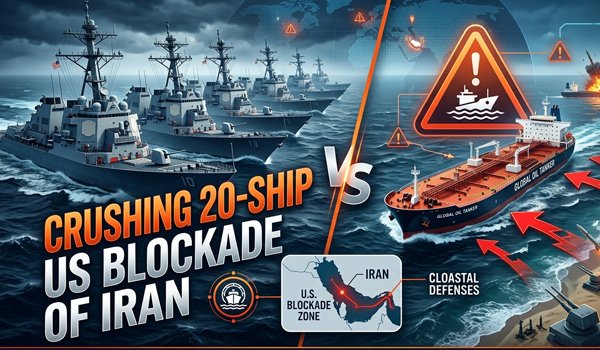
At the center of this newest phase of the conflict is the reimposition of the Crushing 20-Ship US Blockade of Iran. This heavy naval blockade aims to choke off Tehran’s maritime trade routes and degrade the capabilities of the Islamic Revolutionary Guard Corps (IRGC). With the blockade fully active, the risk to commercial shipping has surged, causing panic across global energy markets and raising immediate fears of a massive economic shock.
Direct Strikes and Rapid Escalation in the Gulf
On Wednesday morning, the United States military officially confirmed that Central Command (CENTCOM) forces had initiated a series of coordinated strikes. According to the statement released by Washington, these operations are specifically designed to systematically degrade the military infrastructure Iran utilizes to threaten international commercial shipping.
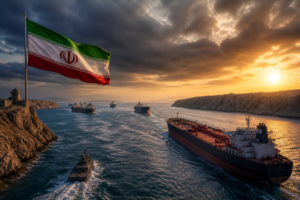
These morning strikes followed a punishing seven-hour campaign on Tuesday night, during which American jets and naval assets pounded dozens of military installations along the Iranian coastline. The deployment of the Crushing 20-Ship US Blockade of Iran has established a tight security perimeter around critical Iranian ports, with US naval commanders authorized to intercept, divert, or capture any unauthorized vessels entering or exiting the blockaded zones.
                [ Strait of Hormuz Flashpoint ]
                               │
       ┌───────────────────────┴───────────────────────┐
       ▼                                               ▼
[ US Navy Blockade ]                           [ Iranian Countermeasures ]
- 20+ active warships                          - Coastal cruise missiles
- Port interceptions                           - Sea-drone deployments
- Cargo vessel escort                          - Threat of total corridor closure
Iran’s response to the renewed pressure was swift and uncompromising. The IRGC announced that it had launched retailiatory strikes of its own, targeting several U.S. military bases located in neighboring Middle Eastern nations, including Bahrain, Kuwait, and Jordan. Additionally, Tehran issued a stark warning to Washington and its international partners, threatening to sever other crucial energy export corridors in the region if the Crushing 20-Ship US Blockade of Iran is not immediately lifted.
Why the Strait of Hormuz is a Global Chokepoint
The geographical focus of the conflict remains the Strait of Hormuz, a narrow waterway separating the Persian Gulf from the Gulf of Oman. Under normal global economic conditions, nearly a fifth of the world’s petroleum and liquefied natural gas (LNG) transits through this chokepoint.
Since the outbreak of the war on February 28, 2026—which began with massive U.S. and Israeli airstrikes targeting Iran’s nuclear and military infrastructure—control of the Strait has been the ultimate prize.
-
Transit Volumes: Approximately 20-21 million barrels of oil flow through the passage daily during peak operations.
-
Alternative Routes: Very few pipeline bypasses exist, meaning any protracted closure immediately bottlenecks global oil supply.
-
Geopolitical Leverage: Iran has long asserted administrative and sovereign control over the shipping lanes, using transit safety as a primary bargaining chip against Western sanctions.
The enforcement of the Crushing 20-Ship US Blockade of Iran directly challenges Tehran’s regional posture. By choking off Iran’s oil terminals, the U.S. Navy aims to force the regime back to the negotiating table on Western terms. However, the immediate consequence of this strategy is a perilous environment for civilian seafarers. Over the past week alone, seven commercial vessels have been targeted by drone and missile strikes, resulting in the tragic deaths, injuries, or disappearance of nearly a dozen crew members.
The Collapse of the Interim Ceasefire
The resumption of active warfare is a bitter disappointment for international mediators. Just last month, a Pakistan-brokered interim ceasefire deal raised hopes that a diplomatic off-ramp could be secured. Under that memorandum of understanding, both nations had agreed to a temporary cessation of hostilities. The framework was meant to pave the way for structured, long-term negotiations in Islamabad.
| Key Milestones of the 2026 Conflict | Date | Impact on Global Shipping |
| Outbreak of War | February 28, 2026 | U.S. and Israeli airstrikes commence; Hormuz closed. |
| Interim Ceasefire Signed | June 17, 2026 | Temporary pause in strikes; hopes for a permanent treaty. |
| Diplomatic Breakdown | July 7, 2026 | Hostilities officially resume after failed talks. |
| Naval Blockade Enforced | July 14, 2026 | The Crushing 20-Ship US Blockade of Iran begins. |
The preliminary agreement required the United States to temporarily lift its previous blockade and suspend certain oil export sanctions in exchange for Iran guaranteeing the unhindered, safe passage of civilian merchant ships through the Strait. However, technical talks stalled almost immediately.
Disagreements over the scope of inspections, the release of frozen assets, and the exact timeline of permanent sanctions relief quickly poisoned the atmosphere. Following allegations of repeated ceasefire violations, the U.S. administration declared the agreement void and ordered the Crushing 20-Ship US Blockade of Iran back into active status.
Economic Fallout and Future Outlook
The immediate reaction of the financial markets to the revival of the Crushing 20-Ship US Blockade of Iran has been a sharp spike in energy costs. Crude oil prices rose by more than 1% following the news of the latest morning strikes, building upon a series of gains that had already pushed oil to a new monthly high.
Economists warn that a prolonged blockade of Iranian ports, coupled with retaliatory threats to shut down neighboring export routes, will trigger severe inflationary pressures worldwide. If shipping insurance premiums continue to skyrocket due to military risk, major logistics firms may be forced to divert tankers around the Cape of Good Hope, a costly detour that adds weeks to transit times and dramatically increases global transportation overhead.
“A full maritime blockade in the Persian Gulf is a worst-case scenario for global logistics. We are looking at potential double-digit spikes in energy costs if this is not resolved swiftly.”
— Maritime Logistics Analyst
With both sides firmly entrenched, the path back to diplomacy remains highly uncertain. The Crushing 20-Ship US Blockade of Iran is a clear sign that Washington is committed to a policy of maximum economic pressure. Yet, history shows that cornering Tehran often results in asymmetric escalation rather than compromise. Until a reliable, mutually acceptable diplomatic framework is re-established, the vital shipping lanes of the Middle East will remain a highly dangerous theater of war. Crushing 20-Ship US Blockade of Iran Sparks Severe Gulf Shipping Crisis
Deepen Your Understanding
For those tracking the broader macroeconomic and political implications of this crisis, explore these highly relevant focus areas:
-
Understanding Chokepoint Economics: Learn more about the Strait of Hormuz Oil Shipments to see how regional disruption directly dictates your local fuel prices. Crushing 20-Ship US Blockade of Iran Sparks Severe Gulf Shipping Crisis
-
The Blueprint for Peace: Read our comprehensive analysis on the US-Iran Interim Ceasefire Deal to understand the specific policy disagreements that caused the negotiations to collapse in July.
-
Naval Strategy in Action: Discover the operational mechanics behind the Crushing 20-Ship US Blockade of Iran and how modern maritime blockades are executed in hostile waters.