
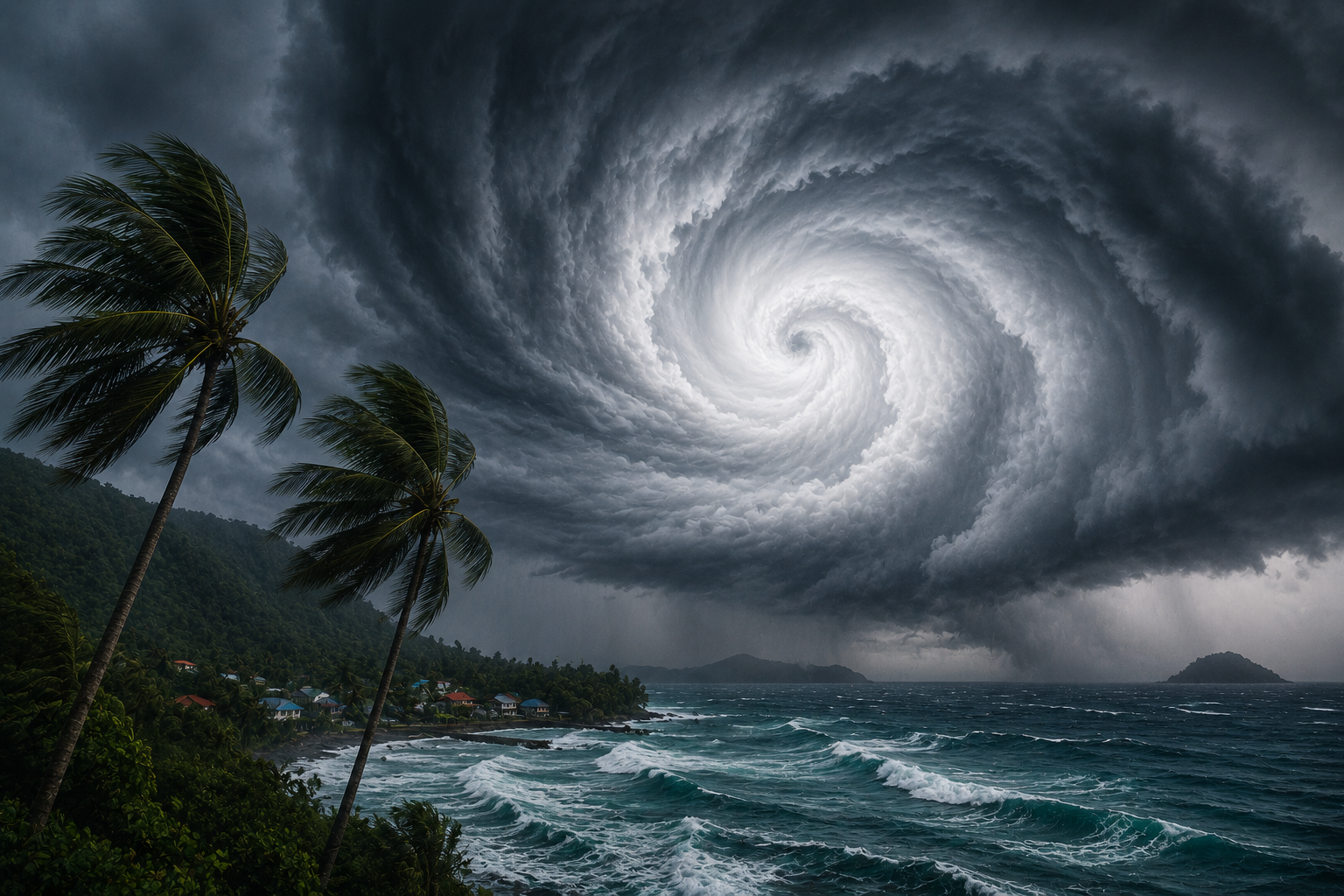
Rare Winter Cyclone Warning 7 Dangerous Impacts Expected This Weekend
Rare Winter Cyclone Warning Issued as Tropical Low Shows Signs of Development
A Rare Winter Cyclone Warning has drawn attention across the Pacific after meteorologists identified a tropical low-pressure system near the Solomon Islands that could develop into an unusual winter cyclone. Although the chances of cyclone formation remain low, weather experts are closely monitoring the system because tropical cyclones are extremely uncommon during July.
According to Australia’s Bureau of Meteorology (BoM), the weather system currently has a small chance of strengthening into a tropical cyclone between late Friday and Monday. Even if it does not reach cyclone strength, the system is expected to bring heavy rainfall, powerful winds, and dangerous weather conditions to parts of the Solomon Islands and Papua New Guinea.
While Australia is not expected to experience any direct impacts, the Rare Winter Cyclone Warning highlights the unusual nature of this developing weather event.
What Is Happening Near the Solomon Islands?
Meteorologists are tracking a tropical low located near the Solomon Islands. A tropical low is an area of low atmospheric pressure that can organize into a tropical cyclone if environmental conditions become favorable.
The Bureau of Meteorology currently estimates around a 10 percent chance that the system could develop into a cyclone between Saturday and Monday. After that period, the probability is expected to decrease again.
Although the likelihood of cyclone formation remains limited, weather agencies continue monitoring the system around the clock because conditions can change quickly over warm tropical waters.
The Rare Winter Cyclone Warning has been issued mainly because cyclones rarely form during the Southern Hemisphere winter.
Heavy Rain and Strong Winds Expected
Even without becoming a named cyclone, the tropical low is expected to produce significant weather impacts.
Forecasters say residents across parts of the Solomon Islands and Papua New Guinea should prepare for:
- Heavy rainfall
- Strong and gusty winds
- Localized flooding
- Rough coastal conditions
- Possible travel disruptions
Emergency officials are advising communities to stay informed through local weather updates and follow any safety instructions issued by authorities.
The Rare Winter Cyclone Warning serves as a reminder that tropical weather systems can still produce dangerous conditions even if they never officially become cyclones.
Australia Not Expected to Be Affected
One reassuring aspect of the current forecast is that Australia’s mainland is not expected to experience any direct impacts from the tropical system.
Weather models indicate the low should remain well north of Australia while moving through waters near the Solomon Islands and Papua New Guinea.
Although Australian meteorologists continue to monitor the situation, experts currently believe there is no immediate threat to Australian communities.
Nevertheless, the Rare Winter Cyclone Warning remains important because it highlights an unusual weather pattern developing within the Australian cyclone region.
Why Is a July Cyclone So Unusual?
Cyclone season in the Australian region officially runs from November 1 through April 30.
During these warmer months, sea surface temperatures are higher, humidity increases, and atmospheric conditions become much more favorable for cyclone formation.
By contrast, July falls during the Southern Hemisphere winter, when cooler ocean temperatures usually prevent tropical systems from intensifying.
That is why the current Rare Winter Cyclone Warning has attracted considerable attention from weather experts.
If this system develops into a cyclone, it would become one of only a handful of July cyclones ever recorded in the Australian region.
A Look at Historical Records
Historical data from the Bureau of Meteorology shows just how uncommon this situation is.
Weather records dating back to 1970 identify only four tropical cyclones in July within the Australian cyclone region.
Interestingly, two of those storms were only recognized after later scientific analysis determined they had briefly reached cyclone strength.
This means genuine winter cyclones remain exceptionally rare.
According to Weatherzone, if the current system strengthens into a cyclone near the Solomon Islands, it would become only the second recorded July cyclone to form in the eastern part of the Australian cyclone region.
The Rare Winter Cyclone Warning therefore represents an event with significant historical interest.
Why Cyclones Usually Form During Summer
Cyclones require several ingredients to develop successfully.
These include:
- Warm ocean temperatures above approximately 26.5°C
- High humidity
- Low vertical wind shear
- Favorable atmospheric circulation
- Sufficient distance from the equator
During winter, many of these ingredients become less favorable, making cyclone formation much more difficult.
What Residents Should Do
People living in affected areas should closely monitor forecasts issued by local weather agencies.
Recommended precautions include:
- Following official weather updates regularly.
- Preparing emergency supplies in case of flooding.
- Securing outdoor furniture and loose objects.
- Avoiding unnecessary travel during severe weather.
- Staying away from flooded roads and rivers.
Preparation is especially important because heavy rainfall can create hazardous conditions even if the tropical low never becomes a cyclone.
The Rare Winter Cyclone Warning encourages communities to remain alert without causing unnecessary alarm.
Climate and Weather Monitoring
Meteorologists continue using satellite imagery, computer forecast models, ocean temperature data, and atmospheric observations to track the system.
Weather forecasts may change as new information becomes available over the coming days.
Because tropical systems are influenced by many environmental factors, even small changes in wind patterns or sea temperatures can affect whether the low strengthens or weakens.
The Rare Winter Cyclone Warning demonstrates the importance of continuous weather monitoring and early forecasting in helping communities prepare for unusual events.
Why This Weather Event Matters
Although the probability of cyclone development remains low, the current tropical system is attracting worldwide attention because of its timing.
Winter cyclones are extremely uncommon in the Southern Hemisphere, making this one of the most closely watched tropical weather systems of the season.
Scientists will continue studying the event regardless of whether it officially becomes a cyclone, as rare weather patterns provide valuable information for improving future forecasting models.
Final Thoughts
The tropical low near the Solomon Islands may never become a fully developed cyclone, but it has already captured the attention of meteorologists due to its unusual timing during the middle of winter.
While Australia is not expected to face direct impacts, residents of the Solomon Islands and Papua New Guinea should prepare for periods of heavy rain, strong winds, and rough weather over the coming days.
As forecasting technology continues to improve, early alerts like this Rare Winter Cyclone Warning help communities stay informed, reduce risks, and respond more effectively to changing weather conditions.