Iran-US Economic Showdown 5 Dangerous Signals of a Critical Phase
Iran-US Economic Showdown Enters a Dangerous New Phase
The Iran-US Economic Showdown is no longer just a battle of sanctions and political pressure. It is now evolving into a high-risk confrontation that could reshape global markets, military strategies, and economic stability. What once appeared to be a strategic standoff has entered a phase where both nations are testing each other’s limits—economically and militarily.
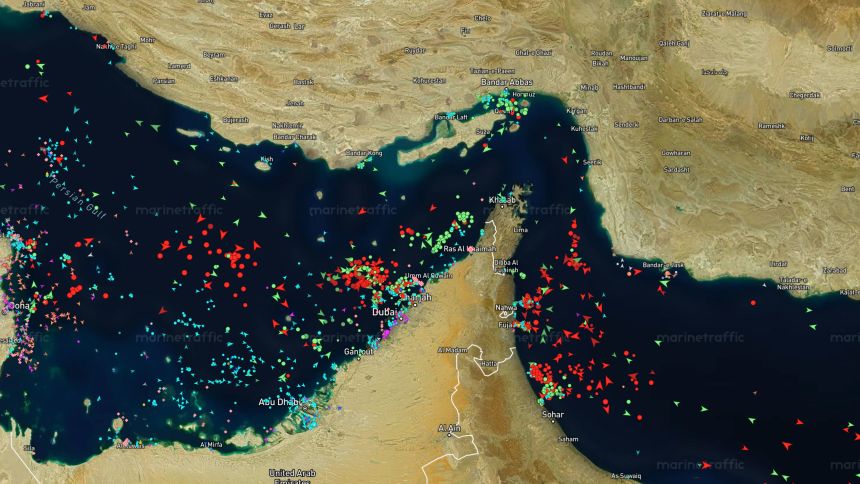
At the center of this escalation is the United States’ recent move to impose a blockade in the Strait of Hormuz. This decision signals that the Iran-US Economic Showdown is far from cooling down. Instead, it is intensifying in ways that could have serious consequences not just for the two nations involved, but for the entire world.
A High-Stakes Economic Gamble
The current Iran-US Economic Showdown can best be described as a “game of chicken,” where both sides are waiting for the other to back down first. The United States, backed by its massive $31 trillion economy, appears confident that it can outlast Iran in a prolonged economic battle.
However, this assumption may not be as solid as it seems.
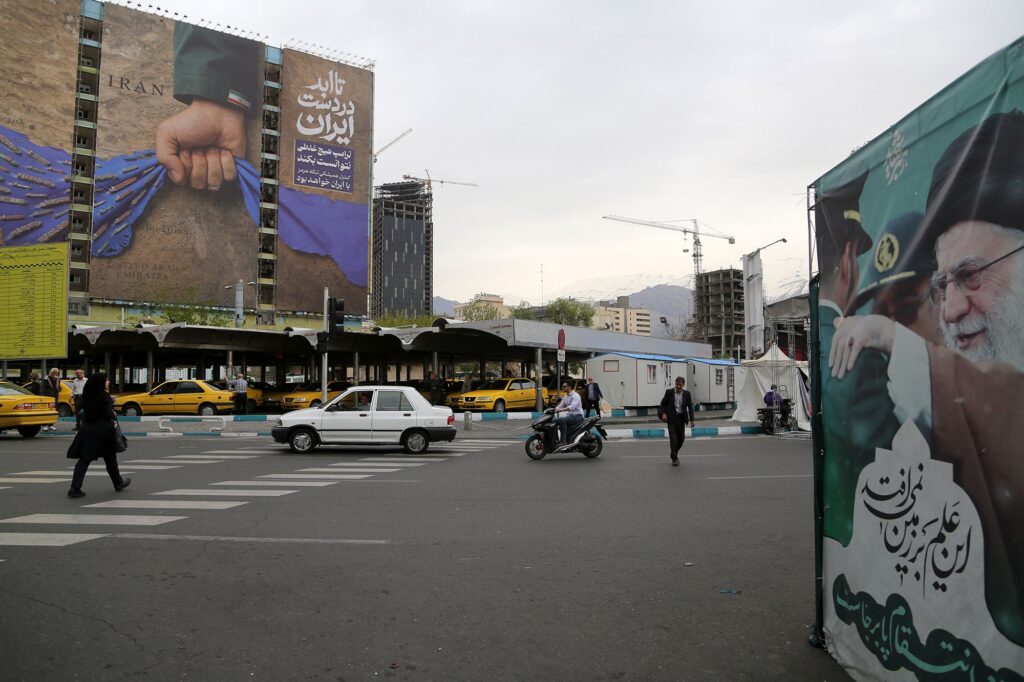
Iran has a long history of surviving under heavy sanctions and economic pressure. Over the years, it has developed alternative trade routes, black-market networks, and strategic alliances that allow it to keep its economy functioning even under extreme conditions. This resilience is a key factor in the ongoing Iran-US Economic Showdown, making it difficult for the United States to force a quick surrender.
The Strait of Hormuz: A Global Pressure Point
The Strait of Hormuz is one of the most critical oil transit routes in the world. Any disruption here has immediate global consequences. In the current Iran-US Economic Showdown, the blockade threatens to remove millions of barrels of oil from the global market.
Even a small disruption in oil supply can lead to sharp price increases. Recently, crude oil prices surged significantly, signaling how sensitive the market is to developments in this region. Rising oil prices translate directly into higher fuel costs, increased transportation expenses, and overall inflation.
Economic Pain on Both Sides
The Iran-US Economic Showdown is unique because both nations stand to suffer significant economic damage. For Iran, the blockade threatens its primary source of revenue—oil exports. Limiting these exports could weaken its economy and strain government resources.
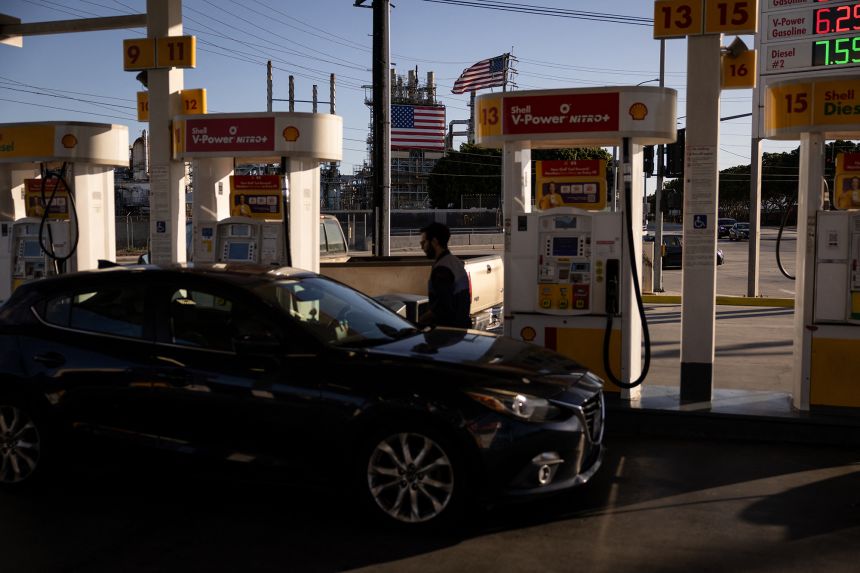
On the other hand, the United States also faces serious risks. Higher oil prices can lead to inflation, which directly impacts American consumers. Rising gas prices are particularly sensitive, as they affect daily life and political sentiment.
This creates a situation of “mutually assured economic pain,” where neither side can escalate without facing consequences. The Iran-US Economic Showdown is therefore not just about power, but about endurance.
Military Risks Increase
What makes this phase of the Iran-US Economic Showdown especially dangerous is the growing military involvement. Enforcing a blockade in such a volatile region requires significant naval presence and operational risk.
Unlike previous strategies that relied heavily on air power, this approach puts troops directly in harm’s way. Naval forces operating in narrow waters face threats from mines, small attack vessels, and unexpected confrontations.
This shift raises the stakes dramatically. The Iran-US Economic Showdown is no longer limited to economic measures—it is now closely tied to military risks that could escalate quickly.
Public Pressure in the United States
Another critical factor in the Iran-US Economic Showdown is domestic opinion within the United States. Historically, Americans have shown low tolerance for prolonged conflicts, especially those that lead to higher living costs or troop casualties.
With gas prices already high, any further increase could create political pressure. At the same time, potential military losses could reduce public support for continued escalation.
This internal pressure could influence how long the United States is willing to sustain the current strategy in the Iran-US Economic Showdown.
Iran’s Strategic Resilience
Despite the pressure, Iran has shown that it can endure economic hardship. It has built up oil reserves, developed alternative export methods, and learned how to navigate sanctions effectively.
Reports suggest that Iran has millions of barrels of oil stored and ready for distribution. Even if some shipments are blocked, completely stopping its oil flow is extremely difficult.
This resilience gives Iran a strategic advantage in the Iran-US Economic Showdown, as time may not necessarily favor the stronger economy—but the more adaptable one.
Who Will Blink First?
The key question in the Iran-US Economic Showdown remains: who will back down first?
Experts are divided, but many believe that Iran’s experience with sanctions gives it a psychological and strategic edge. While the United States has greater resources, it also faces more immediate political and economic consequences.
The longer the standoff continues, the more complex the situation becomes. The Iran-US Economic Showdown is turning into a test of patience, resilience, and strategic planning.
A Turning Point in Global Politics
This new phase marks a turning point in the Iran-US Economic Showdown. It is no longer just about economic pressure—it is about control, influence, and global positioning.
The involvement of key oil routes, rising military risks, and global economic implications make this conflict one of the most significant geopolitical challenges of the moment.
Conclusion
The Iran-US Economic Showdown has entered a critical and dangerous phase. What began as an economic standoff is now evolving into a complex conflict involving military risks, global markets, and political pressure.
Both nations are pushing forward, unwilling to step back. Yet, the cost of continuing this path is rising for everyone involved—including the global economy.
As the situation unfolds, one thing is clear: the Iran-US Economic Showdown is far from over, and its outcome could shape the future of international relations for years to come.



Pingback: Urgent Events US Blockade Starts Iran Issues Fierce in 2026