
Trump Shocking 3-Week Plan: US May Exit Iran Deal or No Deal
Trump Shocking Strategy: US Signals Exit From Iran War With or Without Deal
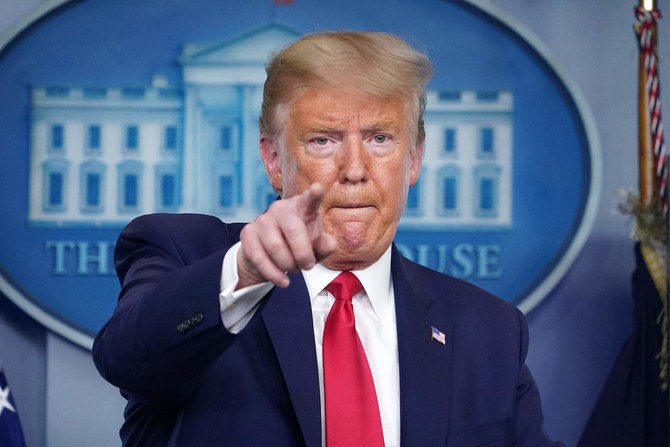
The global political landscape is once again shifting rapidly as Trump Shocking statements about the Iran war send waves through international markets and diplomatic circles. US President Donald Trump has made it clear that Washington could withdraw from the ongoing conflict within weeks — regardless of whether a peace deal is reached.
This bold declaration has sparked intense debate among analysts, policymakers, and investors. The possibility that Trump Shocking decisions could reshape Middle East dynamics is now a major focus worldwide.
A Sudden Shift in US Strategy
Speaking from the Oval Office, Trump told reporters that the United States could end its military involvement in Iran within “two or three weeks.” What stood out most was his blunt statement:
“We’ll leave whether we have a deal or not. It’s irrelevant.”
This Trump Shocking approach signals a departure from traditional US foreign policy, where negotiations typically play a central role before withdrawal. Instead, the administration appears willing to act unilaterally.
Rising Energy Prices Add Pressure
The timing of this announcement is critical. The Iran conflict has already caused a major spike in global energy prices. Brent crude recently surged to over $118 per barrel, reflecting market fears and supply concerns.
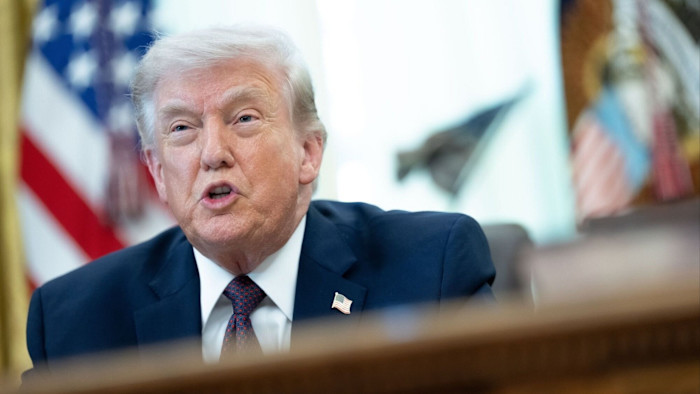
This economic pressure is a key factor behind the Trump Shocking stance. High fuel prices are hitting consumers and businesses hard, increasing inflation risks and adding to the cost-of-living crisis.
In the United States:
- Petrol prices have crossed $4 per gallon
- Diesel prices are nearing $5.50 per gallon
These rising costs are not just economic issues — they are political challenges that could influence upcoming elections.
👉 Learn More: Impact of Oil Prices on Economy
War Enters Critical Phase
Now in its fifth week, the Iran conflict has expanded across multiple fronts. The situation remains volatile, with no clear resolution in sight.
Despite signaling a possible withdrawal, Trump also made it clear that military objectives are not yet fully complete. He stated that the US would still want to “knock out every single thing there” before stepping back.
This contradiction highlights the complexity of the situation. On one hand, Trump Shocking urgency to exit the war is evident. On the other, military escalation remains a possibility.
Mixed Signals From Washington
The Trump administration has sent mixed messages regarding its next steps. While the president talks about withdrawal, defense officials continue to strengthen military presence in the region.
US Defense Secretary Pete Hegseth emphasized unpredictability, suggesting that all options remain on the table. Meanwhile, Secretary of State Marco Rubio indicated that diplomacy is still possible.
Rubio stated that there could be a direct meeting with Iran in the future, keeping hopes of negotiation alive. However, the overall tone of Trump Shocking policy decisions continues to create uncertainty.
👉 Related: Middle East Geopolitics Guide
Iran’s Position and Demands
Iran has also shown some openness to ending the conflict, but with strict conditions. President Masoud Pezeshkian has demanded guarantees that US and Israeli actions will not be repeated.
This demand complicates negotiations. Trust between the two nations remains extremely low, making any agreement difficult to achieve.
The Trump Shocking approach of possibly exiting without a deal could further weaken confidence and prolong instability.
Global Markets React
Financial markets are closely watching every development. Trump’s comments have already influenced investor behavior, leading to fluctuations in oil prices and stock markets.
Interestingly, some positive signals have emerged. After Iran hinted at a willingness to negotiate, US stock markets experienced a brief rally. This suggests that investors still hope for a diplomatic resolution.
However, continued uncertainty driven by Trump Shocking statements keeps markets on edge.
Political Pressure at Home
Domestically, the pressure on Trump is mounting. The war is affecting everyday Americans through rising fuel costs and economic uncertainty.
With midterm elections approaching, the administration faces a critical challenge: ending the conflict without appearing weak.
This is where the Trump Shocking strategy becomes significant. By setting a short timeline and emphasizing decisive action, Trump aims to project strength while addressing economic concerns.
No Clear Endgame
One of the biggest concerns among analysts is the lack of a clear long-term strategy. The administration’s goals have shifted throughout the conflict, creating confusion.
At one point, regime change was discussed. Later, Trump clarified that the primary objective is to prevent Iran from developing nuclear weapons.
This evolving narrative adds to the unpredictability of Trump Shocking decisions and makes it harder for allies and adversaries to anticipate US actions.
What Comes Next?
The next few weeks will be crucial. Several key questions remain:
- Will the US actually withdraw without a deal?
- Can diplomatic talks resume before the deadline?
- Will the conflict escalate further?
If Trump Shocking plans move forward, the region could see a sudden shift in power dynamics. Alternatively, continued military action could deepen the crisis.
Final Thoughts
The Iran conflict has reached a critical turning point. Trump’s recent statements indicate urgency, frustration, and a willingness to take bold steps — even if they break from traditional norms.
The repeated pattern of Trump Shocking decisions highlights a leadership style focused on unpredictability and rapid action. While this approach may yield quick results, it also carries significant risks.
For now, the world watches closely as events unfold. Whether this strategy leads to peace or further instability remains to be seen.


Pingback: Albanese Grim 3-Month Warning: Economic Shocks to Hit Hard