US-Iran Doha Talks End 7 Major Developments on Strait of Hormuz
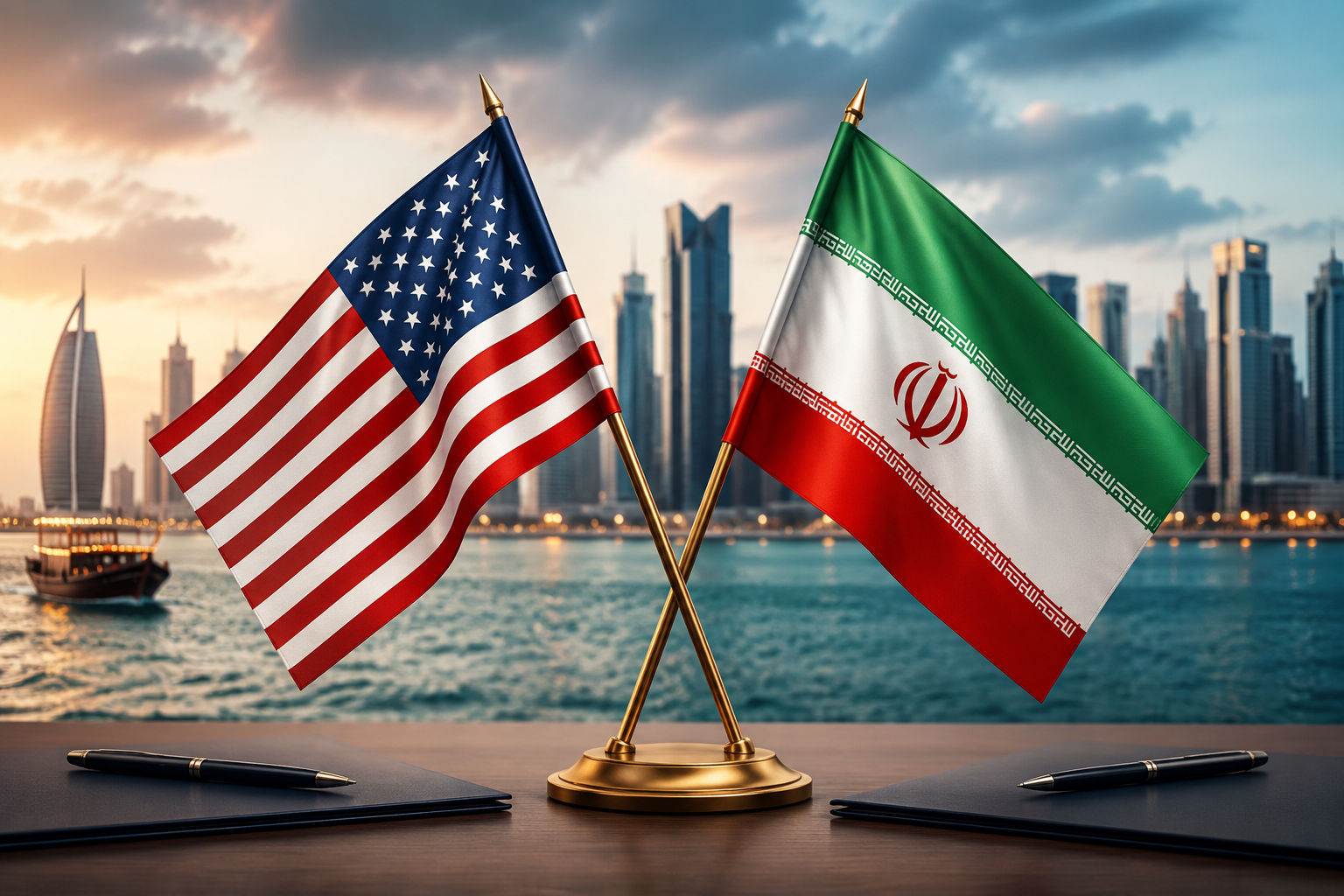
The latest round of diplomatic discussions between the United States and Iran has officially concluded in Doha, Qatar. Although many expected a breakthrough after weeks of growing international attention, both sides left the negotiating table without announcing any major agreement.
Instead, officials described the meetings as technical discussions focused on implementing parts of an earlier temporary agreement rather than resolving long-standing disputes such as Iran’s nuclear program.
As US-Iran Doha Talks End, attention has shifted toward the future of the Strait of Hormuz, one of the world’s most important shipping routes, and the next phase of negotiations expected later this month.
Talks Focused on Practical Issues
Unlike previous negotiations that centered on political disagreements, this round concentrated mainly on practical matters already included in the temporary agreement reached two weeks earlier.
According to officials familiar with the negotiations, discussions included:
- Maritime traffic through the Strait of Hormuz
- Releasing frozen Iranian financial assets
- Shipping security
- Implementation of existing agreements
These topics are considered essential for restoring confidence between both countries following months of military tension.
As US-Iran Doha Talks End, negotiators emphasized that the discussions were designed to improve existing arrangements rather than negotiate a completely new peace agreement.
No Progress on the Nuclear Program
One of the biggest surprises from the Doha meetings was the absence of any detailed discussion regarding Iran’s nuclear program.
Although U.S. President Donald Trump later told reporters that progress toward Iran’s denuclearization was moving in the right direction, multiple sources involved in the talks stated that nuclear issues were not part of the technical meetings.
Instead, American officials indicated those discussions would begin during future negotiations.
The difference in public messaging highlights how sensitive the overall diplomatic process remains as US-Iran Doha Talks End without addressing one of the world’s biggest security concerns.
Trump Says Progress Is Being Made
Speaking in Washington, President Donald Trump adopted an optimistic tone despite the lack of major announcements.
According to Trump, recent meetings between American and Iranian representatives have been productive, and he expressed confidence that negotiations are moving in a positive direction.
His remarks helped calm financial markets that had feared another military confrontation in the Middle East.
Many analysts believe the President’s comments were intended to reassure investors and international allies after weeks of uncertainty.
Even though US-Iran Doha Talks End without a comprehensive agreement, Trump’s statement suggested diplomacy remains active.
Strait of Hormuz Remains the Biggest Issue
The Strait of Hormuz continues to dominate discussions because nearly one-fifth of global oil and liquefied natural gas supplies normally pass through the narrow waterway.
During the recent conflict, shipping activity slowed significantly after attacks on commercial vessels and military exchanges between Iran and the United States.
Although some shipping has resumed, uncertainty remains.
Iran has repeatedly stated it plans to introduce shipping tolls beginning in mid-August after the temporary toll-free period expires.
This proposal has raised concerns among shipping companies, insurers, and energy markets worldwide.
As US-Iran Doha Talks End, the future management of the Strait of Hormuz remains one of the most important unresolved issues.
Iran Seeks Greater Control
Iranian officials continue pushing for international recognition of their authority over the strategic waterway.
According to reports, Iranian leaders believe stronger control over the Strait would strengthen national security and increase regional influence.
Western governments, however, remain cautious about recognizing expanded Iranian authority.
The issue is expected to become one of the central topics during future diplomatic sessions following the funeral ceremonies for Iran’s late Supreme Leader.
This remains another important takeaway as US-Iran Doha Talks End without a final resolution.
Oil Markets React Positively
Global energy markets responded quickly after President Trump suggested diplomacy was making progress.
Oil prices fell to their lowest levels in nearly four months as traders became less concerned about the possibility of another military conflict disrupting energy supplies.
Several financial institutions also lowered their short-term oil price forecasts.
Lower oil prices generally indicate investors believe supply disruptions are becoming less likely.
However, analysts continue warning that the situation remains unpredictable because military tensions have not completely disappeared.
The market reaction became one of the biggest financial stories after US-Iran Doha Talks End.
International Community Watches Closely
Countries across Europe and Asia continue monitoring developments because the Strait of Hormuz is critical for international trade.
Several European governments have reportedly offered assistance in improving maritime safety and clearing potential naval mines.
Germany, however, has indicated it currently has no plans to participate in those operations due to ongoing political disagreements with Iran.
International shipping companies are also carefully evaluating the situation before fully restoring normal operations.
As US-Iran Doha Talks End, global attention remains fixed on whether future negotiations can provide lasting stability.
What Happens Next?
Officials confirmed that another round of negotiations will take place after national mourning ceremonies in Iran conclude.
Diplomats hope future meetings will expand beyond technical implementation and begin addressing larger political disagreements.
Key issues expected during upcoming discussions include:
- Iran’s nuclear program
- Long-term sanctions relief
- Maritime security
- Regional military tensions
- Future trade cooperation
Although immediate breakthroughs remain unlikely, continued dialogue reduces the chances of further military escalation.
The fact that US-Iran Doha Talks End with both sides agreeing to continue negotiations is viewed by many analysts as a positive sign.
Why These Talks Matter
The outcome of these negotiations affects much more than relations between Washington and Tehran.
Any disruption in the Strait of Hormuz has the potential to influence:
- Global oil prices
- International shipping costs
- Inflation
- Energy security
- Financial markets
- Regional stability
For businesses, governments, and consumers worldwide, developments in Doha remain highly significant.
As US-Iran Doha Talks End, investors and policymakers will closely monitor the next round of diplomacy for signs of meaningful progress.
Final Thoughts
The latest negotiations between the United States and Iran ended without dramatic breakthroughs, but they also avoided a collapse in diplomatic relations.
Instead of focusing on political disagreements, negotiators concentrated on practical issues affecting shipping, trade, and implementation of previous agreements.
While the nuclear dispute remains unresolved, both governments appear willing to continue dialogue rather than return immediately to confrontation.
The coming weeks will likely determine whether these discussions can eventually evolve into a broader peace process.
Frequently Asked Questions (FAQ)
What were the US-Iran Doha talks about?
The talks focused on maritime security, shipping through the Strait of Hormuz, frozen Iranian assets, and implementing a temporary agreement.
Was Iran’s nuclear program discussed?
According to sources, the Doha meetings were technical and did not include detailed discussions about Iran’s nuclear program.
Why is the Strait of Hormuz important?
The Strait of Hormuz handles around 20% of global oil and liquefied natural gas shipments, making it one of the world’s most important trade routes.
When will the next US-Iran talks take place?
Officials said another round of negotiations is expected after Iran completes funeral ceremonies for its late Supreme Leader.