Powerful Reasons China Wants Pakistan to Lead Regional Peace Talks
Powerful Reasons China Wants Pakistan to Lead Peace Diplomacy in Middle East
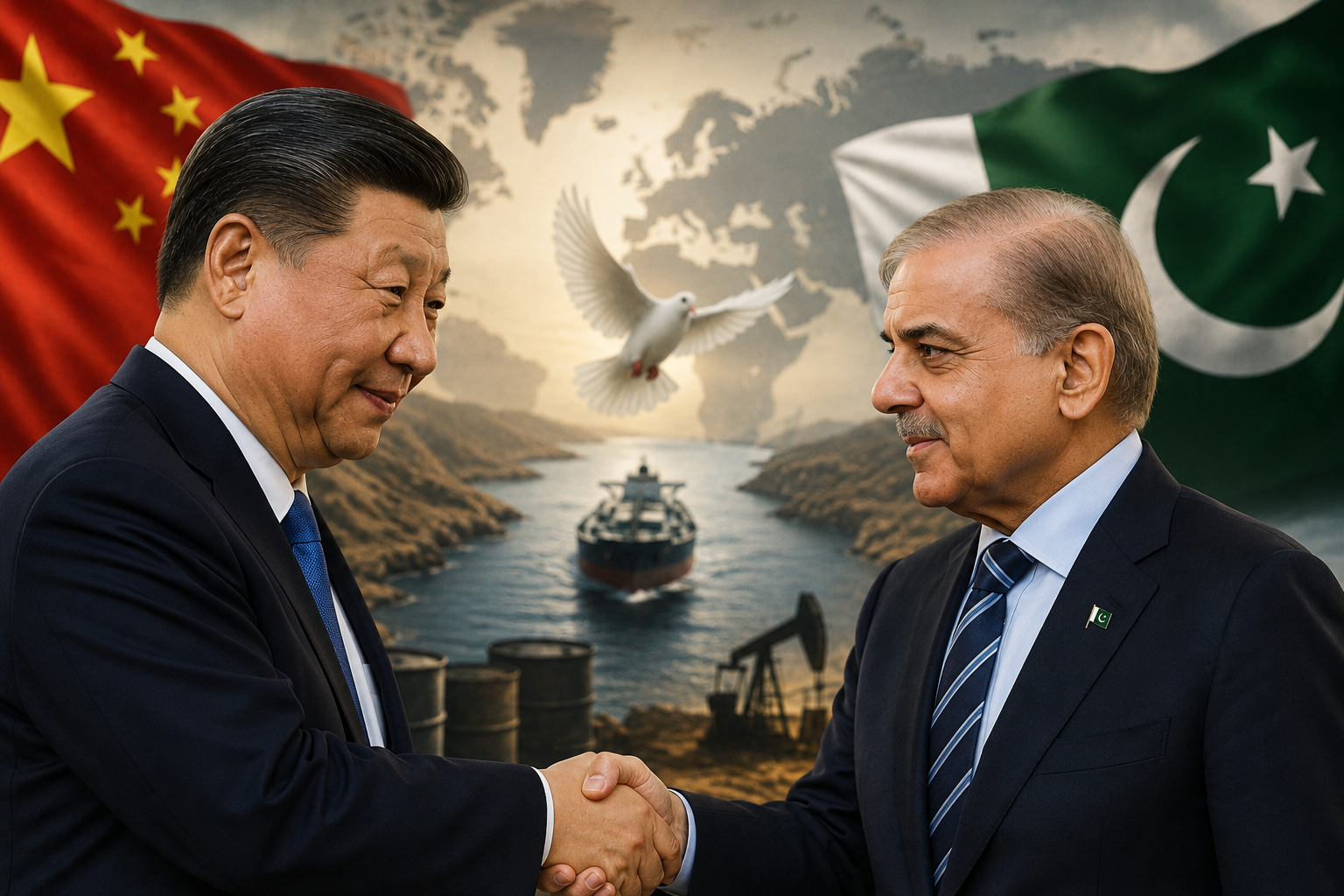
Regional tensions surrounding the Middle East, Iran, and the Strait of Hormuz have pushed global powers into urgent diplomatic discussions, with China now openly encouraging Pakistan to play a stronger role in peace negotiations between Iran and the United States. The latest diplomatic contact between Chinese Foreign Minister Wang Yi and Pakistani Deputy Prime Minister and Foreign Minister Ishaq Dar has highlighted Islamabad’s growing importance in regional mediation efforts.
As global attention remains focused on rising tensions in the Gulf region, analysts say there are several Powerful Reasons China Wants Pakistan to become more active in diplomatic engagement and conflict prevention. From securing global energy routes to reducing instability near China’s economic interests, Beijing sees Pakistan as a critical partner in maintaining peace.
China Praises Pakistan’s Diplomatic Efforts
During a telephone conversation reported by China’s state-run Xinhua news agency, Wang Yi praised Pakistan’s recent role in facilitating dialogue between Iran and the United States. According to Chinese officials, Islamabad’s diplomatic engagement helped create opportunities for temporary ceasefire arrangements and contributed to easing regional tensions.
Wang stressed that Pakistan should continue mediation efforts and help address concerns related to the Strait of Hormuz, one of the world’s most strategically important maritime trade routes. He described regional peace and stability as a shared goal for the international community.
These developments explain several Powerful Reasons China Wants Pakistan to expand its diplomatic role in the region. Beijing believes Pakistan maintains balanced relationships with multiple Middle Eastern countries, allowing it to communicate with different sides during sensitive negotiations.
Why the Strait of Hormuz Matters
The Strait of Hormuz remains one of the world’s most important energy corridors. A major percentage of global oil shipments passes through the narrow waterway every day, making it essential for international trade and economic stability.
Any conflict or military escalation involving Iran could threaten shipping operations in the region, causing oil prices to surge globally. China, as one of the world’s largest energy importers, has a strong interest in preventing disruptions in maritime trade.
One of the biggest Powerful Reasons China Wants Pakistan involved in diplomacy is Islamabad’s ability to maintain communication channels with Gulf countries, Iran, and Western powers simultaneously. Pakistan’s geographic position and diplomatic ties make it an influential player in efforts to reduce tensions around the Strait of Hormuz.
Both Chinese and Pakistani officials emphasized the importance of uninterrupted maritime passage and regional stability during their recent talks.
Pakistan Emerging as a Regional Mediator
Over the past few years, Pakistan has increasingly positioned itself as a country willing to support dialogue rather than confrontation in international conflicts. Islamabad has attempted to maintain balanced relations with Iran, Saudi Arabia, China, the United States, and Gulf nations.
During the call with Wang Yi, Ishaq Dar briefed China on Pakistan’s recent diplomatic efforts aimed at facilitating contacts between Tehran and Washington. Dar also thanked Beijing for supporting Pakistan’s mediation initiatives.
This cooperation highlights additional Powerful Reasons China Wants Pakistan to stay engaged diplomatically. China sees Pakistan as a trusted regional partner capable of encouraging dialogue while avoiding direct involvement in military confrontations.
Analysts believe China also wants to prevent broader instability that could affect major economic projects connected to the Belt and Road Initiative, including the China-Pakistan Economic Corridor (CPEC).
Growing China-Pakistan Strategic Partnership
The latest diplomatic discussions also focused on preparations for the upcoming 75th anniversary of diplomatic relations between China and Pakistan. Both countries agreed to deepen strategic communication, strengthen high-level exchanges, and continue advancing their “all-weather strategic cooperative partnership.”
China and Pakistan have long maintained close political, military, and economic relations. Beijing considers Islamabad one of its most reliable allies in South Asia.
Another major reason behind the Powerful Reasons China Wants Pakistan involved in peace diplomacy is the broader geopolitical environment. Rising tensions in the Middle East could create uncertainty for Chinese investments, energy supplies, and international trade routes.
By supporting Pakistan’s mediation role, China hopes to encourage peaceful dialogue while strengthening its own influence as a global diplomatic power.
Kuwait Also Praises Pakistan’s Peace Role
In a separate diplomatic engagement, Ishaq Dar also held talks with Sheikh Jarrah Jaber Al-Ahmad Al-Sabah. According to Pakistan’s Foreign Office, Kuwait praised Pakistan’s political and military leadership for promoting dialogue and regional engagement between the United States and Iran.
The Kuwaiti foreign minister commended Islamabad’s constructive contribution toward peace and stability in the Middle East. Both countries discussed the economic risks connected to rising tensions around the Strait of Hormuz and stressed the need for peaceful solutions.
This international support further demonstrates the Powerful Reasons China Wants Pakistan to continue playing a diplomatic role. Multiple countries now view Pakistan as a valuable communication bridge during periods of regional uncertainty.
Shehbaz Sharif’s Upcoming Beijing Visit
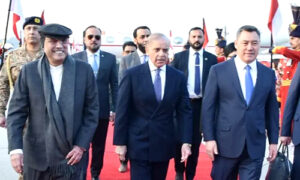
The diplomatic conversations between Wang Yi and Ishaq Dar also took place ahead of Pakistani Prime Minister Shehbaz Sharif’s upcoming visit to Beijing.
Experts expect regional security, economic cooperation, and Middle East diplomacy to dominate discussions during the visit. China is likely to encourage even deeper coordination with Pakistan on regional peace efforts and multilateral cooperation.
The upcoming visit may also strengthen cooperation on trade, infrastructure, and defense matters between the two countries.
Political observers say these discussions underline even more Powerful Reasons China Wants Pakistan involved in regional diplomacy. Beijing increasingly sees Islamabad as a stabilizing force capable of contributing to peace while protecting shared economic interests.
Global Concerns Over Regional Instability
The Middle East remains highly sensitive due to ongoing conflicts, military tensions, and political rivalries involving Iran, Israel, Gulf states, and Western powers.
Global markets closely monitor developments around the Strait of Hormuz because any disruption there could impact fuel prices, shipping costs, and international trade. This is particularly important for Asian economies that rely heavily on imported energy supplies.
China’s diplomatic strategy appears focused on preventing escalation while supporting countries willing to encourage dialogue instead of confrontation. Pakistan’s recent diplomatic efforts fit directly into that strategy.
The Powerful Reasons China Wants Pakistan to continue mediation therefore involve both political and economic calculations. Stability in the Gulf region benefits China, Pakistan, and much of the global economy.
Pakistan’s Expanding International Role
Pakistan’s active involvement in regional diplomacy reflects its broader foreign policy approach of maintaining relationships with diverse international powers. Islamabad has attempted to balance ties with China, the United States, Gulf countries, and neighboring Iran despite complex regional politics.
Diplomatic experts believe Pakistan’s neutral positioning allows it to participate in sensitive discussions that other countries may struggle to facilitate.
As tensions continue across the Middle East, the Powerful Reasons China Wants Pakistan involved in peace efforts are becoming increasingly clear. Beijing values Islamabad’s diplomatic reach, regional understanding, and ability to engage with multiple competing powers.
Conclusion
China’s recent call for Pakistan to intensify mediation efforts highlights Islamabad’s growing importance in regional diplomacy. From protecting maritime trade through the Strait of Hormuz to easing tensions between Iran and the United States, Pakistan is now being viewed as a key diplomatic player in one of the world’s most unstable regions.
The Powerful Reasons China Wants Pakistan involved in peacebuilding are connected to energy security, economic stability, geopolitical strategy, and regional cooperation. As Prime Minister Shehbaz Sharif prepares to visit Beijing, the partnership between China and Pakistan appears set to deepen even further. Powerful Reasons China Wants Pakistan to Lead Regional Peace Talks in 2026
At a time when global tensions remain high, both countries are signaling that diplomacy, communication, and regional cooperation remain essential for preventing larger conflicts and maintaining international stability. Powerful Reasons China Wants Pakistan to Lead Regional Peace Talks in 2026