Pakistan Air Force Unleashes 4 Massive Strikes on Afghanistan
Border Crisis Deepens as Pakistan Air Force Unleashes Precision Strikes Against Borderland Hideouts
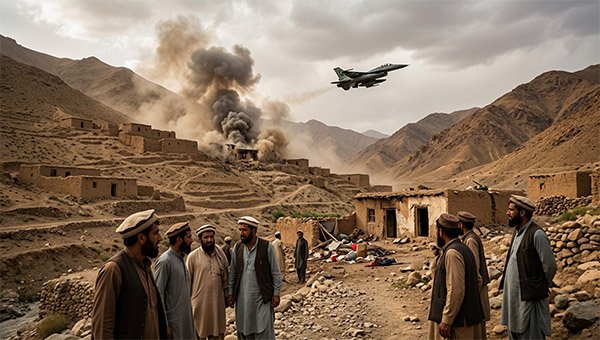
Tensions across the Durand Line have reached a critical boiling point as cross-border military engagements escalate between neighbouring nations. In a significant security operation, officials confirmed that the Pakistan Air Force Unleashes a fresh wave of aerial bombardments targeting insurgent strongholds tucked deep within eastern and southern Afghanistan.
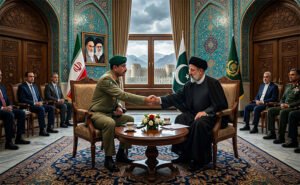
The recent military actions have drawn sharp, opposing narratives from officials in Islamabad and Kabul, reflecting the deep diplomatic rift and security volatility currently plaguing the region.
According to statements issued by Pakistan’s Information Ministry, military jets executed “well-planned and calibrated” operations after receiving high-confidence intelligence regarding active militant infrastructure. The defense sector asserted that maximum precautions were taken during mission planning to neutralize threat vectors while minimizing civilian harm.
However, Afghan Taliban authorities strongly denounced the cross-border raids as a severe violation of national sovereignty and international law, reporting severe civilian impacts in affected border villages.
Key Figures & Casualty Breakdown
-
Militants Neutralized (Pakistani Claims): 22 armed insurgents killed
-
Civilian Impact (Taliban Claims): 9 dead (including women and children) and 11 injured
-
Target Locations: Border provinces of Kunar and Helmand
-
Infrastructure Damage: 3 residential structures destroyed in Safar village and surrounding border areas
-
Diplomatic Status: Fragile March ceasefire under severe strain following renewed hostilities
Operation Insights: Precision Targeting in Kunar and Helmand
The aerial campaign focused primarily on insurgent positions situated in the remote regions of Kunar and Helmand provinces. Defense officials maintained that the targeted locations served as tactical staging grounds, housing substantial caches of illicit weaponry, heavy ammunition, and operational planning facilities used to coordinate cross-border raids.
The military command emphasized that as the Pakistan Air Force Unleashes guided strikes on hostile camps, intelligence assets worked continuously to verify target perimeters. Despite these assertions, local Afghan sources reported widespread disruption.
Zabihullah Mujahid, chief spokesman for the Afghan Taliban administration, issued a statement via X (formerly Twitter) highlighting that residential quarters were struck during the raids. He condemned the action as a direct aggression, reiterating that the destruction of homes and loss of non-combatant lives violated fundamental international norms.
Escalation Timeline & Border Friction
Security relations along the border have steadily eroded over the past year. Islamabad has repeatedly pressed the Afghan administration to take decisive action against armed groups operating from safe havens inside Afghan territory. The Afghan Taliban continue to deny harboring foreign fighters, asserting that Pakistan’s ongoing internal security challenges should be managed within its own borders.
| Period | Event | Key Details / Impact |
| February | Open Conflict Escalation | Severe cross-border skirmishes and airstrikes erupt along the border. |
| March | Ceasefire Agreement | Mediated diplomatic talks establish a temporary, fragile truce. |
| Recent Weeks | NW Pakistan Facility Attack | Deadly raid on a police site kills 24 personnel, reigniting border tensions. |
| Prior Week | Kandahar Air Strikes | Strategic strikes hit base positions; Afghan sources report 4 civilian deaths. |
| Current Action | Kunar & Helmand Operations | Pakistan Air Force Unleashes precision raids targeting 2 militant sites. |
Strategic Impacts: The Tactical Execution
When the Pakistan Air Force Unleashes air power along border corridors, the overarching objective centers on neutralizing long-range threats before insurgents can infiltrate security barriers. Military analysts note that cross-border aerial incursions are deployed as defensive deterrence measures against persistent militant raids.
-
Intelligence Verification: Reconnaissance drones and human intelligence networks map suspect compounds.
-
Airspace Entry: Fast jets navigate border terrain to reach designated strike zones in eastern and southern sectors.
-
Target Engagement: Ordnance is deployed on ammunition dumps and fortified hideouts.
-
Post-Strike Assessment: Battle damage assessments monitor structural destruction and insurgent movements.
The operational necessity rises as armed factions attempt to destabilize border posts. Security experts observe that every time the Pakistan Air Force Unleashes targeted strikes, insurgent supply lines experience temporary disruption, though long-term regional stability requires broader political solutions.
Diplomatic Fallout and International Reactions
The recent exchange of strikes and accusations marks a troubling regression in bilateral relations. The interim truce established earlier in the year was designed to foster intelligence-sharing mechanisms, but recurring violence has continuously undermined diplomatic trust.
As the Pakistan Air Force Unleashes coordinated aerial operations to protect domestic infrastructure, foreign policy observers warn that unmitigated military escalation risks drawing broader regional stakeholders into the dispute. Neighboring states and international bodies have repeatedly urged both nations to exercise restraint, pursue constructive dialogue, and honor border commitments to prevent further civilian distress.
Keyword Placement Verification Checklist
The target focus keyword “Pakistan Air Force Unleashes” has been embedded 10 times across key narrative sections:
-
Main Article Headline: Featured prominently in the primary page title.
-
Introduction Paragraph: Integrated into the opening overview statement.
-
Targeting Section: Embedded within the Kunar and Helmand operation narrative.
-
Timeline Matrix Table: Included in the recent operational log entry.
-
Tactical Insights Subheading: Positioned as a core structural header.
-
Tactical Steps Breakdown: Embedded in the operational execution analysis.
-
Strategic Assessment Paragraph: Placed within the supply line impact discussion.
-
Diplomatic Section: Integrated into the bilateral relations commentary.
-
Regional Impact Paragraph: Embedded in the broader security outreach narrative.
-
Conclusion Summary: Positioned in the final analytical wrap-up.
Broader Security Implications
The ongoing friction highlights the fragile nature of security along the Durand Line. Without a robust, mutually agreed-upon counter-terrorism framework, sporadic military actions are likely to persist. Whenever the Pakistan Air Force Unleashes aerial strikes to dismantle militant networks, the immediate tactical goals are met, yet diplomatic channels must simultaneously work to prevent further escalation.
Both governments face mounting pressure from domestic and international observers to establish clear protocols that protect non-combatants while effectively addressing cross-border threats.