Hopeful US peace talks stall as 3 missiles hit Kyiv after Russia deal
Hopeful US Peace Talks Stall as New Missile Attacks Strike Kyiv
The diplomatic efforts to bring an end to the war in Eastern Europe have taken another dramatic turn. Just hours after Moscow indicated a willingness to return to the negotiating table, Ukraine’s capital was rocked by fresh explosions. For many observers monitoring the situation, this tragic escalation explains why hopeful US peace talks stall despite intense high-level mediation.
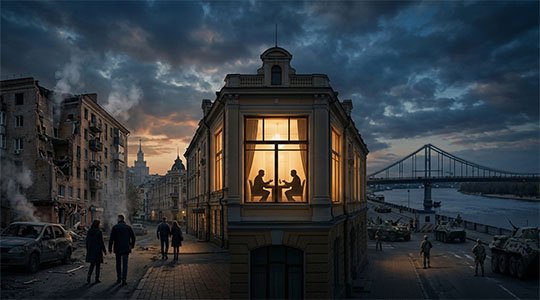
While diplomatic envoys race across European capitals to broker an agreement, the reality on the ground remains brutal and unpredictable. Several residential houses in Kyiv were hit during late-night strikes, leaving multiple civilians injured. This disconnect between peaceful rhetoric and ongoing bombardment illustrates precisely why hopeful US peace talks stall whenever progress seems near.
High-Stakes Diplomacy Behind Closed Doors
The recent wave of diplomacy has been driven by key American envoys, including Steve Witkoff and Jared Kushner, who have taken center stage in organizing negotiations. Witkoff recently traveled to St. Petersburg for a crucial face-to-face meeting with Russian President Vladimir Putin. This high-profile session occurred immediately following consultations in Oslo with Ukrainian President Volodymyr Zelensky and Nordic leaders.
Yet, even as envoys discuss long-term security frameworks, hopeful US peace talks stall under the weight of deep-seated disagreements. Russian presidential aide Yuri Ushakov publicly described several American proposals as not particularly “useful,” highlighting the massive gap that still exists between the warring sides.
The Escalation-Negotiation Paradox
A central reason why hopeful US peace talks stall is the stark contradiction between military maneuvers and diplomatic statements. US leadership recently proclaimed that the world is “the closest we’ve been” to reaching a settlement. However, military actions on the front lines paint a completely different picture.
“We call it ‘ceasefire’ or ‘stop killings’… Freeze and stop. And of course this is minimum what we need from Russia today.” — President Volodymyr Zelensky
Ukrainian leadership has expressed a willingness to accept a deal freezing the conflict along current front lines, provided strong security guarantees follow. However, Russian officials continue to assert that their forces maintain a strategic initiative across the entire front line. When two opposing sides hold such wildly divergent views on military momentum, hopeful US peace talks stall before meaningful terms can be finalized.
Growing Friction Between Allies
Diplomatic friction is not limited to Moscow and Kyiv; tension has also flared between Washington and its allies. Recent disputes over intelligence sharing, sanctions, and strategic resources have added extra complexity to an already delicate situation.
Key points of recent tension include:
-
Intelligence Delays: Kyiv previously expressed concern over delayed warnings regarding incoming ballistic missile launches, though officials now state intelligence sharing is operational.
-
Sanction Relief Debates: The decision to lift certain energy sanctions on Russia sparked pushback from both European leaders and domestic lawmakers.
-
Operational Restrictions: Reports regarding internet bandwidth limits on frontline technology have prompted bipartisan calls for investigations.
When trust among key partners is tested by domestic policy changes and political disagreements, hopeful US peace talks stall further, complicating the roadmap to a lasting resolution.
To learn more about international treaties and global security frameworks, read the comprehensive guide at Global Security Review.
What Lies Ahead for Regional Stability?
Despite these setbacks, diplomatic avenues have not closed entirely. Officials have hinted that a new round of trilateral discussions could take place in Abu Dhabi, United Arab Emirates. The primary objective of these proposed talks remains establishing a sustainable post-conflict security architecture for both nations.
However, as long as missile strikes continue to hit urban centers and civilian infrastructure, hopeful US peace talks stall in the face of escalating violence on the ground. The coming weeks will demonstrate whether international diplomacy can bridge these significant divides, or if military conflict will continue to overshadow negotiations.
Frequently Asked Questions (FAQ)
What triggered the latest diplomatic push?
The latest diplomatic push was initiated by US envoys seeking to establish direct lines of communication between Russian and Ukrainian leaders to negotiate a potential ceasefire and long-term security guarantees.
Why do diplomats struggle to finalize a ceasefire?
Negotiations often hit roadblocks due to conflicting battlefield assessments, disagreements over frozen front lines, and mistrust surrounding security guarantees and sanction policies.
Where are future peace talks expected to take place?
Diplomats are looking toward neutral venues, with recent discussions pointing toward potential host locations in the United Arab Emirates, such as Abu Dhabi.