Trump Leaves China Without Iran Taiwan Breakthroughs in 3 Shocking Ways
Trump Leaves China Without Iran Taiwan Breakthroughs After High-Stakes Summit
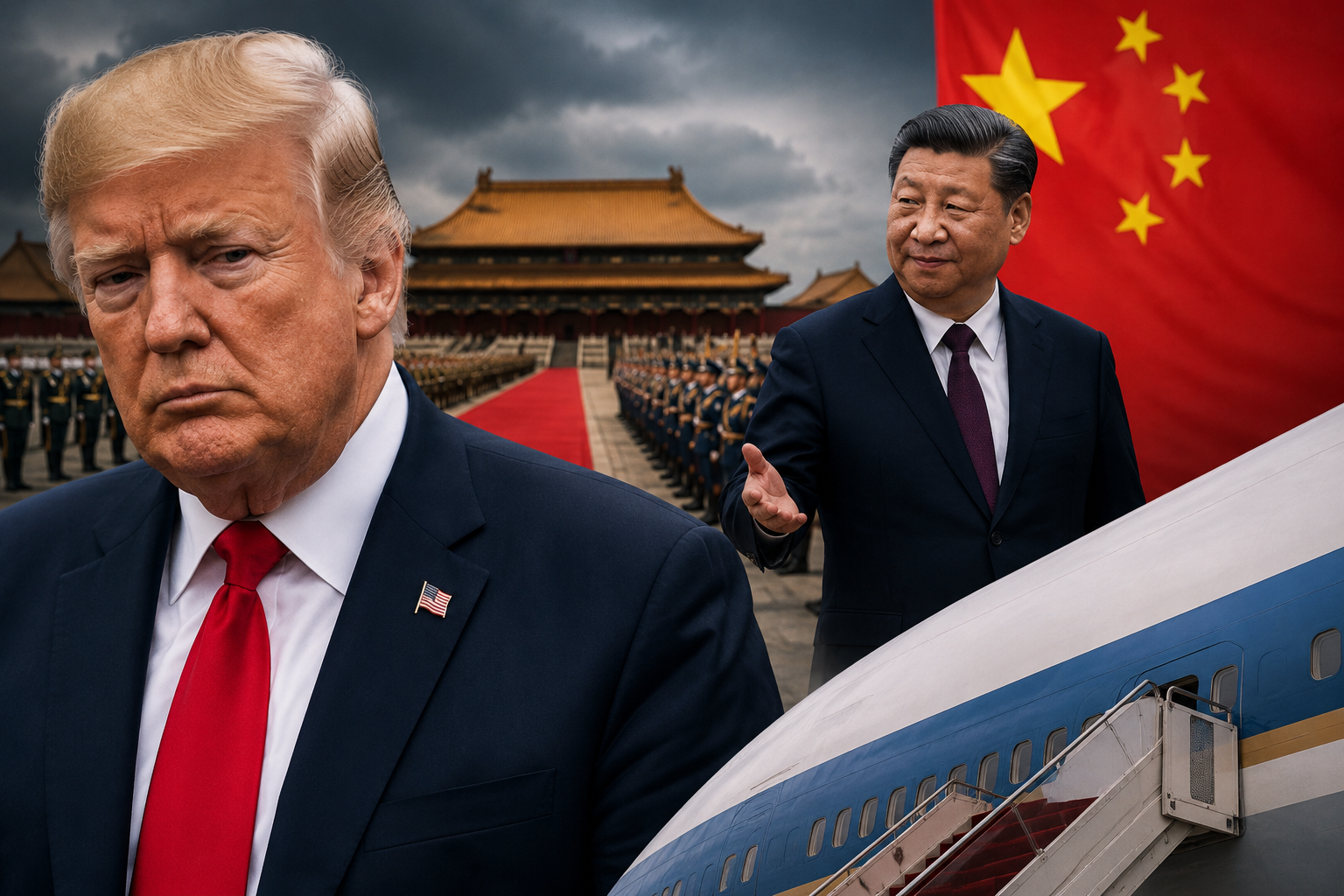
US President Donald Trump wrapped up his highly anticipated visit to China on Friday after a two-day summit with Chinese President Xi Jinping that generated global headlines but failed to deliver major diplomatic breakthroughs. While both leaders projected stability and cooperation in front of cameras, the reality behind closed doors appeared far more complicated. The meeting produced strong statements, ceremonial pageantry, and promises of future cooperation, but many analysts believe the summit lacked concrete results on the most sensitive global issues.
The phrase Trump Leaves China Without Iran Taiwan quickly became one of the biggest talking points following the summit, especially as tensions continue to rise in both the Middle East and the Indo-Pacific region.
Trump’s China Visit Focused on Optics More Than Results
The summit in Beijing was presented as a historic moment between the world’s two largest economies. Massive ceremonies, luxury receptions, and carefully choreographed meetings dominated the headlines. Top business leaders such as Elon Musk and Tim Cook attended several events alongside Trump administration officials and business executives.
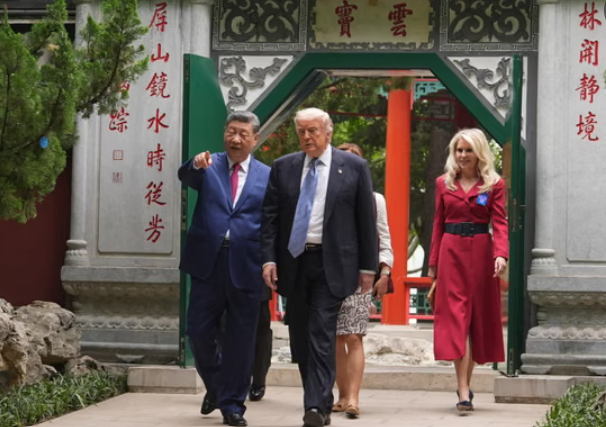
However, despite the media attention surrounding the visit, critics argue that Trump Leaves China Without Iran Taiwan solutions that could reduce global tensions. The discussions touched on trade, artificial intelligence, military competition, energy security, and Taiwan, but no formal agreements or policy shifts were announced.
Trump claimed the United States and China had reached “fantastic trade deals,” although few details were released publicly. That raised questions among economists and political observers who expected stronger outcomes from such a heavily promoted summit.
Iran Crisis Overshadowed the Beijing Summit
One of the most important issues during the talks was the ongoing conflict involving Iran. Trump entered the summit facing criticism over America’s handling of tensions in the Middle East. The Strait of Hormuz remains one of the world’s most important oil shipping routes, and any disruption there threatens global energy markets.
The White House stated that both leaders agreed the Strait of Hormuz must remain open for international trade and energy flow. Xi also reportedly emphasized China’s opposition to militarization in the region. Even so, there was no major breakthrough on how to pressure Iran toward de-escalation.
This is one major reason why headlines like Trump Leaves China Without Iran Taiwan became so widely discussed after the summit ended.
China remains one of the largest buyers of Iranian oil, giving Beijing significant influence in the region. However, Chinese officials appeared unwilling to fully cooperate with Washington’s pressure campaign against Tehran. Trump later claimed Xi promised that China would not provide military support to Iran, but Beijing stopped short of making any formal commitments.
Analysts say China’s primary concern is economic stability rather than directly intervening in the conflict. Around half of China’s imported crude oil passes through the Strait of Hormuz, meaning any escalation could seriously damage the Chinese economy.
Taiwan Remains the Biggest Flashpoint
While Iran dominated international headlines, Taiwan became the most sensitive issue discussed during the summit. Xi Jinping reportedly warned Trump that mishandling Taiwan could lead to “clashes and even conflicts” between the two global powers.
For Beijing, Taiwan remains a core national priority. China considers the self-governing island part of its territory and has repeatedly refused to rule out military force for reunification. Meanwhile, the United States continues supplying defensive weapons to Taiwan, creating constant friction between Washington and Beijing.
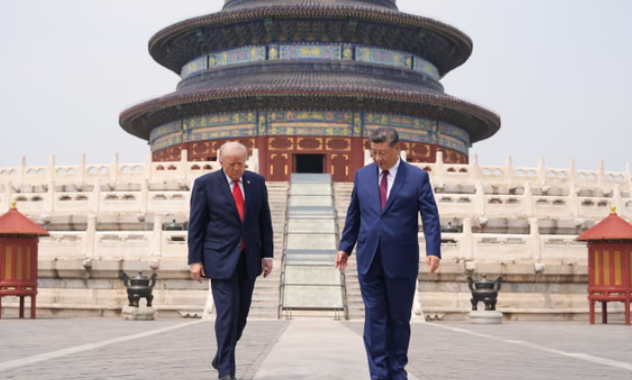
The situation added more weight to the growing narrative that Trump Leaves China Without Iran Taiwan resolutions despite extensive talks.
Trump later told reporters that America’s Taiwan policy had not changed, but he also admitted he had not decided whether to approve a massive new weapons package for Taiwan expected later this year. Reports suggest the White House delayed decisions regarding a proposed $14 billion arms package before Trump’s Beijing visit to avoid angering China during negotiations.
Last year, the United States approved an $11 billion military support package for Taiwan, which sparked strong backlash from Beijing. Chinese leaders continue demanding that Washington stop supplying weapons to the island entirely.
China Appeared More Confident During the Summit
Many political observers believe Xi Jinping emerged from the summit appearing stronger and more confident than Trump. The Chinese leader maintained firm positions on Taiwan, Iran, and regional security while avoiding major concessions.
At the same time, Trump faced growing pressure back home over economic uncertainty and ongoing global conflicts. Critics argue that Trump Leaves China Without Iran Taiwan achievements because he lacked leverage during negotiations.
Throughout the visit, Xi projected confidence and stability, emphasizing China’s growing role in global affairs. Trump, meanwhile, appeared eager to highlight positive trade relations and symbolic gestures rather than concrete geopolitical gains.
Even Trump’s final social media post before leaving Beijing drew criticism. Instead of focusing on diplomacy or national security, he praised China’s grand ballroom facilities and renewed calls for building a large ballroom at the White House.
That moment quickly fueled online debate about whether the summit focused more on image than substance.
Business Leaders Watched Closely
The summit also attracted major American technology executives who are deeply invested in the Chinese market. Executives from companies like Tesla and Apple closely monitored discussions involving trade restrictions, artificial intelligence, and manufacturing partnerships.
Although Trump claimed trade talks were successful, few specifics were provided regarding tariffs, technology exports, or AI competition between the two nations.
This uncertainty further strengthened headlines claiming Trump Leaves China Without Iran Taiwan breakthroughs after days of high-profile diplomacy.
Technology companies remain concerned about worsening tensions between Washington and Beijing, especially as both countries continue investing heavily in artificial intelligence and advanced semiconductor industries.
Middle East Tensions Continue to Grow
As Trump returned to Washington, attention quickly shifted back to the crisis involving Iran and the broader Middle East. The possibility of escalating military conflict remains a major concern for global markets and energy security.
China has repeatedly called for ceasefire efforts and diplomatic negotiations, but Beijing also appears reluctant to directly challenge Iran. Chinese experts argue that America created much of the instability in the region and should carry the responsibility for resolving it.
That difference in perspective became obvious during the summit and highlighted why Trump Leaves China Without Iran Taiwan agreements that could ease international fears.
Political analysts believe the summit succeeded mainly in preventing immediate escalation between the United States and China rather than solving long-term disputes.
Final Thoughts
The Beijing summit between Donald Trump and Xi Jinping delivered powerful imagery and intense global attention, but few lasting outcomes. Despite promises of cooperation and stability, major disputes involving Iran, Taiwan, military tensions, trade competition, and artificial intelligence remain unresolved.
For many observers, the biggest takeaway is simple: Trump Leaves China Without Iran Taiwan solutions that the world was hoping to see.
The visit demonstrated that while both superpowers are willing to maintain dialogue, deep disagreements continue to divide Washington and Beijing. As global tensions rise, future negotiations between the United States and China will likely become even more important in shaping international stability.
Whether future meetings can produce meaningful breakthroughs remains uncertain, but one thing is clear: the world will continue watching every move made by Trump, Xi, and the increasingly fragile relationship between America and China.