5 Powerful Measures Ordered to Crush Inflation After PM Meeting
5 Powerful Measures Ordered as Pakistan Battles New Inflation Crisis
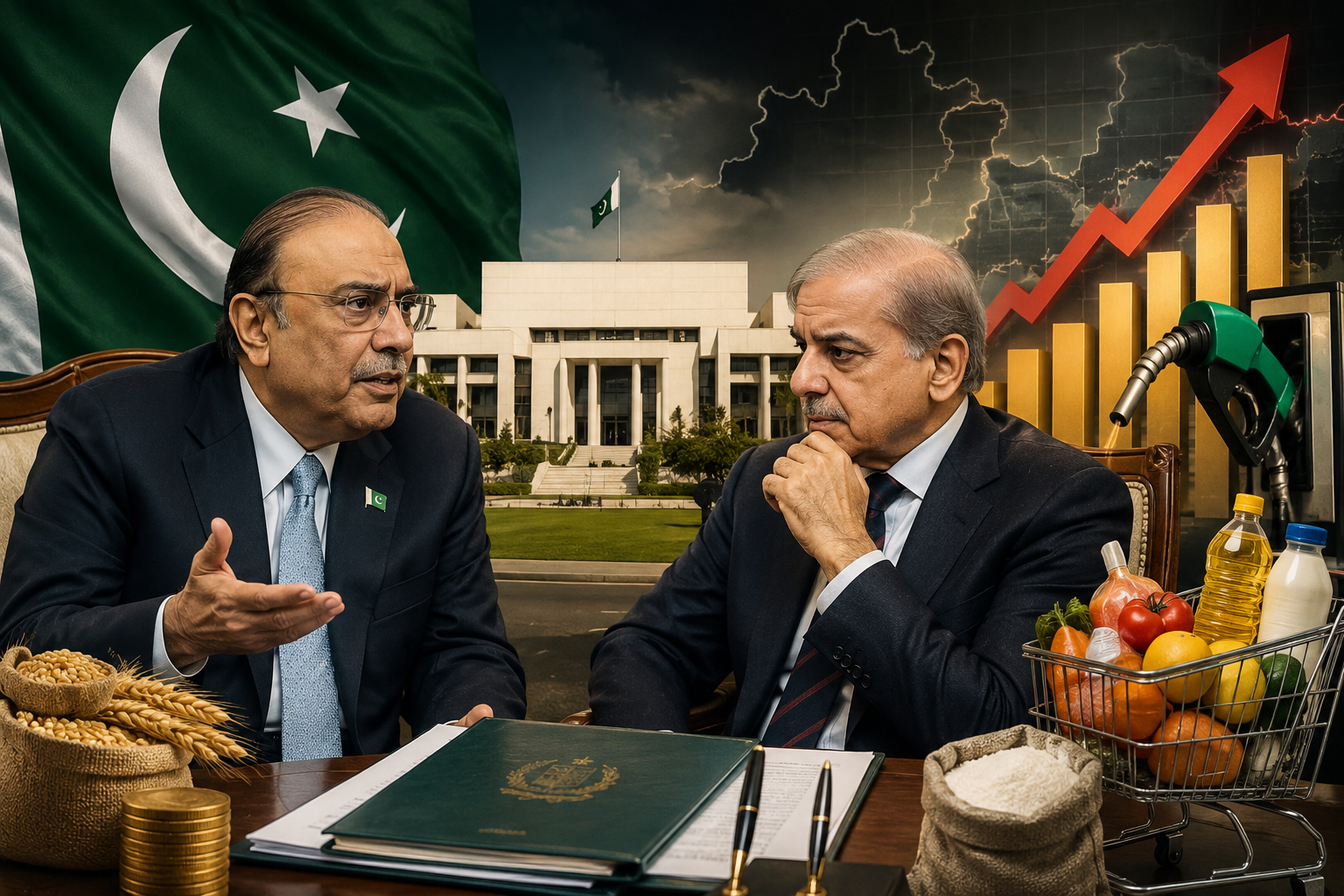
Pakistan is once again facing rising economic pressure as fuel prices continue to increase and global tensions disrupt energy supplies. In a high-level meeting held at the Aiwan-e-Sadr, President Asif Ali Zardari directed the government to take immediate action to reduce inflationary pressure on ordinary citizens. The latest developments have placed the phrase Powerful Measures Ordered at the center of Pakistan’s economic discussion.
Prime Minister Shehbaz Sharif, Deputy Prime Minister Ishaq Dar, Interior Minister Mohsin Naqvi, and several senior officials attended the important meeting where economic stability, regional tensions, and inflation relief measures were discussed in detail.
Government Focuses on Public Relief
During the meeting, the president stressed that despite the difficult global and regional situation, the government must prioritize relief for the people. According to officials, Powerful Measures Ordered included ensuring the availability of essential goods, controlling inflation, and minimizing the financial burden on low-income families.
Pakistan’s economy has already been under pressure due to rising import costs, a weakening currency, and increasing fuel prices. The latest petroleum price hike has only intensified public concern. Citizens across the country are now struggling with higher transportation costs, expensive food items, and growing utility bills.
The government believes that these Powerful Measures Ordered could help stabilize the situation and prevent inflation from spiraling further out of control.
For readers interested in Pakistan’s economic policies, more updates can be found at State Bank of Pakistan.
Fuel Prices Continue to Hurt the Economy
The recent increase in petrol and high-speed diesel prices has created serious concern among businesses and consumers alike. The government raised fuel prices by Rs15 per litre following instability in global oil markets caused by tensions surrounding the Strait of Hormuz.
This was the second major fuel increase within the same month, adding fresh pressure to Pakistan’s already struggling economy. The Powerful Measures Ordered by the president aim to reduce the damage caused by these rising energy costs.
High-speed diesel plays a major role in Pakistan’s agriculture and transportation sectors. Farmers depend heavily on diesel-powered machinery during crop sowing seasons. As fuel becomes more expensive, the cost of agricultural production also rises, directly impacting food prices across the country.
Transport companies have already started increasing fares, while businesses warn that operational expenses may continue climbing in the coming weeks.
Strait of Hormuz Crisis Creates Global Pressure
One of the biggest reasons behind rising oil prices is the ongoing crisis in the Strait of Hormuz. The waterway handles nearly 20 percent of the world’s oil supply, making it one of the most important trade routes globally.
As tensions continue between Iran and the United States, fears of supply shortages have increased dramatically. Several Middle Eastern countries, including Saudi Arabia, United Arab Emirates, and Kuwait, are also facing export disruptions.
The global crisis has directly affected Pakistan because the country depends heavily on imported fuel. This is why the government believes the recently announced Powerful Measures Ordered are necessary to protect citizens from even greater inflationary pressure.
For international oil market analysis, readers can visit Reuters Energy News.
Inflation Continues to Impact Daily Life
Ordinary Pakistanis are already feeling the effects of inflation in their daily lives. Grocery prices, transportation fares, electricity costs, and school expenses continue to rise every month.
The government’s latest Powerful Measures Ordered are intended to provide short-term relief while authorities search for longer-term economic stability. Officials say they are exploring subsidies, market monitoring, and supply chain improvements to reduce price shocks.
Prime Minister Shehbaz Sharif had previously announced a Rs100 per litre subsidy for motorists to reduce pressure on consumers. However, many experts believe broader reforms are needed to fully control inflation.
Economic analysts warn that if international oil prices continue rising, Pakistan may face additional challenges in maintaining fuel subsidies and controlling the fiscal deficit.
Agriculture Sector Faces New Challenges
The agriculture sector is among the hardest hit by rising diesel prices. Farmers depend on diesel for tractors, water pumps, and transportation of crops to markets.
The Powerful Measures Ordered by the president include maintaining stable supplies of fertilizers and agricultural products to avoid food shortages. However, fertilizer prices have already started increasing due to higher transportation costs.
Agricultural experts warn that continued fuel hikes could reduce crop production and increase food inflation in the coming months. Wheat, rice, vegetables, and other basic food items may become more expensive if the situation does not improve soon.
Readers looking for agricultural market updates can visit Pakistan Agriculture Research Council.
Regional Security Situation Remains Sensitive
Apart from economic issues, the meeting also focused on regional security matters involving Afghanistan and changing geopolitical conditions in the Middle East.
Participants paid tribute to the armed forces and remembered the martyrs of last year’s conflict with India. Officials reiterated their commitment to national defense while also stressing the importance of economic stability during uncertain times.
The leadership believes that the Powerful Measures Ordered are necessary not only for economic survival but also for maintaining social stability during a period of global uncertainty.
Businesses Fear More Price Increases
Pakistan’s business community is also deeply concerned about the current economic situation. Importers, transport companies, and manufacturers say rising fuel prices are increasing operational costs across nearly every industry.
Small businesses are particularly vulnerable because they already face challenges such as electricity shortages, high taxes, and reduced consumer spending.
The Powerful Measures Ordered by the government are expected to include stricter market monitoring to prevent unnecessary price hikes and hoarding of essential goods.
Many traders hope that international oil markets will stabilize soon, allowing fuel prices to decrease and easing pressure on the local economy.
Public Expectations Continue to Rise
As inflation continues affecting millions of households, public expectations from the government are increasing rapidly. Citizens want immediate action to reduce food prices, transportation costs, and electricity bills.
The administration hopes the recently announced Powerful Measures Ordered will help restore confidence and provide some financial relief to struggling families.
However, experts say Pakistan’s economic recovery will depend heavily on global oil prices, regional stability, and the government’s ability to manage imports and foreign reserves effectively.
Conclusion
Pakistan is currently navigating one of its most difficult economic periods in recent years. Rising fuel prices, international conflicts, and supply chain disruptions have combined to create serious inflationary pressure across the country.
The Powerful Measures Ordered by President Asif Ali Zardari and discussed with Prime Minister Shehbaz Sharif represent an attempt to protect citizens from worsening financial hardship.
While challenges remain significant, the government says it is committed to reducing inflation, ensuring the availability of essential goods, and providing maximum relief to the people despite the difficult regional situation.