PM Shehbaz Hails 4-Nation Peace Triumph Pakistan’s 70-Day
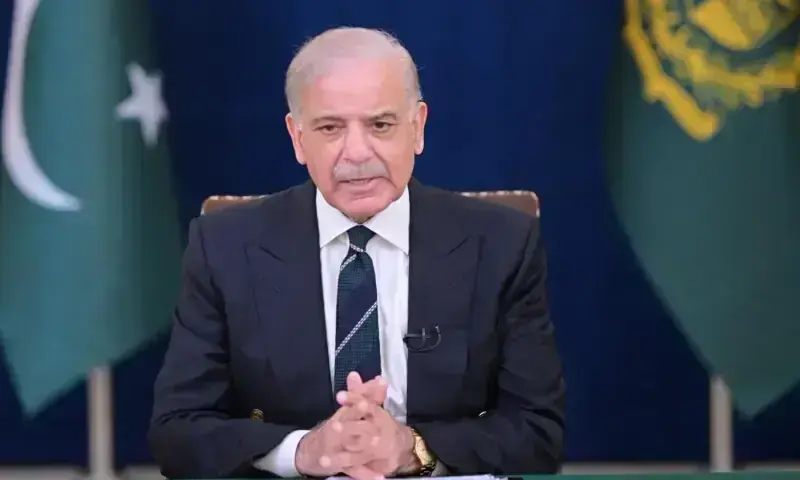
The geopolitical landscape of the Middle East is shifting at a dizzying pace as the conflict between the United States and Iran enters its second month. While military strikes continue to dominate the headlines, a significant diplomatic breakthrough occurred in Islamabad this week. Following a high-level quadrilateral meeting involving Saudi Arabia, Turkiye, and Egypt, PM Shehbaz Hails the collective wisdom of regional leaders in seeking an end to the hostilities that have rattled global energy markets.
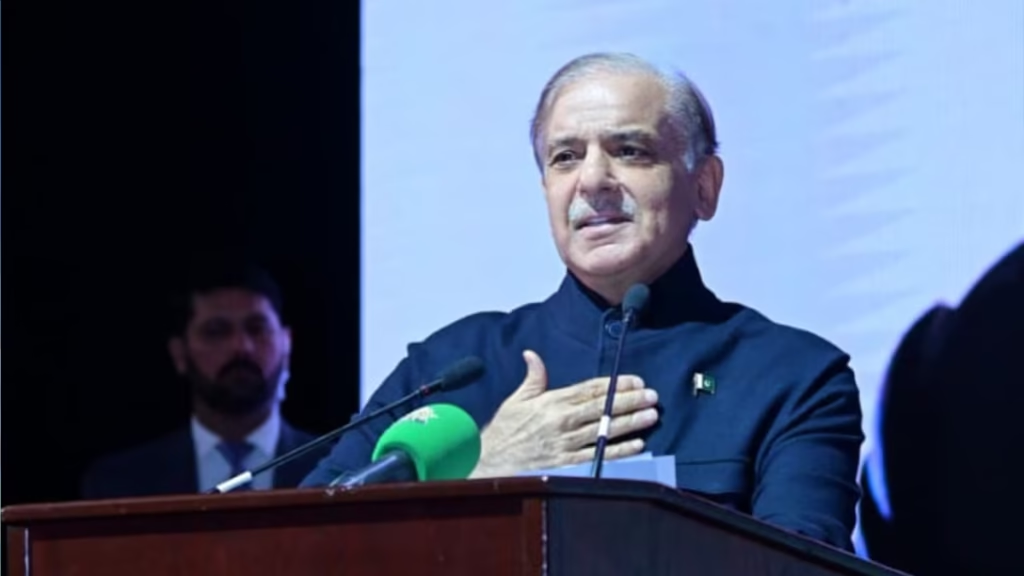
This “quad moot,” chaired by Deputy Prime Minister and Foreign Minister Ishaq Dar, has positioned Pakistan as the central “golden bridge” for potential direct negotiations. As smoke rises from missile sites, the world is witnessing a high-stakes paradox of escalation and olive branches. In a surprising turn of events, President Donald Trump recently signaled a potential shift in tone, calling Iran’s new leadership “very reasonable,” a sentiment that aligns with the diplomatic space Pakistan is working to create.
The Diplomatic Paradox: Words vs. War
The current conflict reached a fever pitch following the death of Iran’s Supreme Leader, Ayatollah Ali Khamenei, on February 28. In the power vacuum that followed, his son Mojtaba stepped into a leadership role that many feared would lead to further radicalization. Yet, the American President seems to see a different path forward.
During recent comments, the President noted that the U.S. and Iran have been communicating “directly and indirectly.” It was during this briefing that the “reasonable” assessment gained traction. PM Shehbaz Hails this opening for dialogue, noting that Pakistan is ready to facilitate a “meaningful and conclusive” settlement. If the assessment of the new Iranian leadership holds true, we could be looking at the most significant diplomatic breakthrough in decades.
Pakistan’s Role: The Islamabad Peace Initiatives
As the primary intermediary, Pakistan finds itself in a vital position. Foreign Minister Ishaq Dar confirmed that Islamabad is preparing to host direct talks—potentially led by U.S. Secretary of State Marco Rubio and Iranian Foreign Minister Abbas Araghchi—as early as Tuesday. PM Shehbaz Hails the confidence shown by Saudi Arabia, Turkiye, and Egypt in Pakistan’s sincere efforts to prevent a wider regional spillover.
The success of these talks hinges on whether both parties can find a middle ground. While the White House suggests the new leaders are reasonable, Tehran has warned it will “never accept humiliation.” To bridge this gap, PM Shehbaz Hails the “remarkable restraint” shown by partners like Saudi Arabia, emphasizing that the unity of the Muslim Ummah is paramount during these challenging times. For more on the history of regional mediation efforts, understanding Pakistan’s previous diplomatic interventions provides critical context to this current crisis.
Military Escalation: The Israeli Front and U.S. Troop Movements
While the talk of peace dominated the Islamabad summit, the military reality remains one of relentless force. The Israeli military recently confirmed over 140 air strikes on central and western Iran within a single 24-hour period, hitting ballistic missile launch sites. Simultaneously, the Pentagon has moved special operations personnel and thousands of Marines into the region.
Despite this buildup, PM Shehbaz Hails the potential for a ceasefire to coincide with the start of the Islamabad dialogue. Analysts believe Trump may be attempting to separate the new leadership from the military infrastructure he is currently dismantling. By signaling that the leaders are reasonable, he may be offering a “golden bridge” for retreat before a ground invasion of Kharg Island—which handles 90% of Iran’s oil exports—becomes inevitable. PM Shehbaz Hails the efforts of regional foreign ministers who have worked tirelessly to avoid such a catastrophic escalation.
Economic Aftershocks: Oil Spikes and Market Meltdowns
The conflict is no longer contained within the Middle East. The global economy is feeling the “blockade effect” of the Strait of Hormuz, through which 20% of the world’s energy shipments pass.
- Oil Prices: Brent crude has surged to over $115 a barrel, heading for a record monthly rise.
- Stock Markets: In Asia, the Nikkei index plummeted by 4.7% as investors braced for a protracted conflict.
- Inflation: Rising energy costs are stoking fears of a global recession.
Investors are desperately looking for any sign of de-escalation. PM Shehbaz Hails the quadrilateral agreement to remain in close coordination, as any progress toward a ceasefire immediately stabilizes volatile markets. You can track live market data here to see how these diplomatic headlines are impacting global portfolios in real-time.
The “Regime Change” Narrative and Global Support
A key element of the U.S. strategy is the claim that “regime change” has already been effectively accomplished. This allows the administration to frame future talks as a “fresh start.” PM Shehbaz Hails the support of the international community, including Germany’s Foreign Minister Johann Wadephul, who recently claimed a direct U.S.-Iran meeting would take place in Pakistan “very soon.”
Even China has weighed in, with the Foreign Ministry in Beijing praising Pakistan’s mediation. PM Shehbaz Hails this global consensus, as Deputy PM Ishaq Dar prepares to travel to Beijing for further consultations. The U.S. administration is attempting to de-escalate the “enemy” status of the Iranian people while maintaining pressure on military assets. PM Shehbaz Hails this focus on “dialogue and diplomacy” as the only viable pathway to prevent total death and destruction.
Conclusion: A Pivot Point for Global History
We are at a crossroads. The upcoming talks in Islamabad represent perhaps the last chance for a diplomatic resolution. PM Shehbaz Hails the resolve of the four-nation group to bring an end to hostilities that have caused a heavy loss of life, property, and economic stability. While thousands of U.S. troops are arriving, the “reasonable” description of Iran’s leaders provides a narrow window for peace.
As events unfold over the next 48 hours, PM Shehbaz Hails the renewed spirit of cooperation among brotherly Muslim countries. For those looking to understand the geopolitical implications of oil blockades, the situation in the Strait of Hormuz remains the most critical factor to watch.