
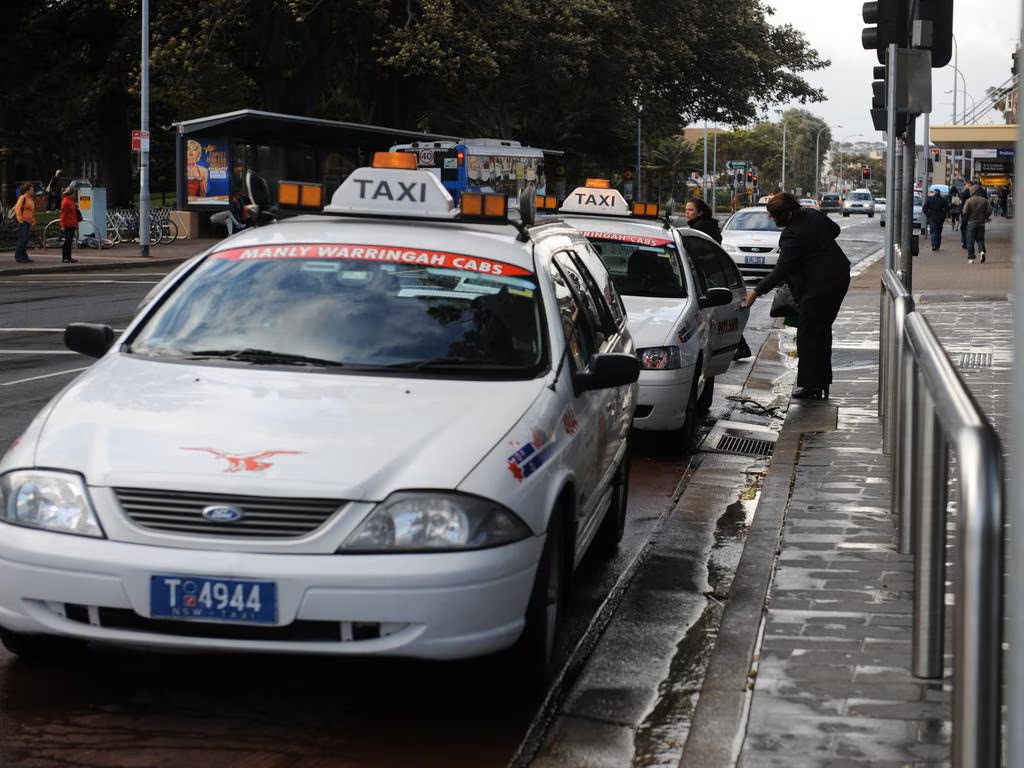
Historic Manly Cabs Collapse: 90-Year Taxi Company Enters Administration
Historic Manly Cabs Shuts Down After More Than 70 Years on Sydney’s Northern Beaches
After serving passengers for more than seven decades, one of Australia’s oldest taxi companies has officially stopped operating. Historic Manly Cabs, a well-known name in the transport industry on Sydney’s Northern Beaches, has gone into administration, leaving drivers and loyal customers shocked by the sudden development.
For many residents of the area, the closure marks the end of a long chapter in local transport history. The company, formally known as Manly Warringah Cabs, had been operating since 1953 and had built a strong connection with the local community over the decades.
Administration Brings Immediate Shutdown
Drivers working with Historic Manly Cabs were informed of the decision through a letter sent by CRS Insolvency Services, the firm appointed to manage the administration process. The notice confirmed that administrators had taken control of the company’s operations.

The message also delivered difficult news for drivers: operations would cease immediately. As a result, vehicles affiliated with Historic Manly Cabs were forced to stop operating right away, taking dozens of taxis off the roads across the Northern Beaches region.
For drivers who had spent years working with the company, the sudden halt came as a major shock. Many had relied on the brand’s long-standing reputation to build their careers in the taxi industry.
A Company With Deep Local Roots
Founded in 1953, Historic Manly Cabs was more than just a taxi service. Over the years, it became part of the daily life of residents in the area. Whether it was airport trips, late-night rides home, or transport for elderly residents, the company played an important role in the local community.
The taxis were easily recognizable thanks to their distinctive logo, which featured a red sea eagle displayed proudly on the bonnet of their vehicles. For locals, that symbol represented reliability and familiarity.
Former company manager Lee Furlong described Historic Manly Cabs as an “iconic” business that had been part of the Northern Beaches culture for generations.
“Everyone knows the red sea eagle on the bonnet,” he said during an interview on 2GB Radio. “For the old girl to go out like that so suddenly was just gut-wrenching.”
Drivers Left Searching for Options
The immediate shutdown created uncertainty for many drivers who depended on the company for their livelihood. When Historic Manly Cabs stopped operating, drivers suddenly found themselves without bookings, dispatch systems, or a central network.
However, a potential solution quickly emerged through the digital taxi platform Ingogo. The company stepped in to provide a pathway for drivers to continue working despite the closure.
According to Furlong, who now serves as the CEO of Ingogo, efforts were already underway to bring drivers back onto the road as quickly as possible.
“We’ve got cars coming online today and the booking system is up and ready,” he explained.
The plan aims to allow former Historic Manly Cabs drivers to register on the platform so they can begin accepting ride bookings again.
Technology Offers a Lifeline
The involvement of Ingogo highlights how the transport industry has evolved in recent years. Instead of relying on traditional radio dispatch systems, modern taxi services increasingly operate through digital booking platforms.
With this approach, former Historic Manly Cabs drivers could potentially transition to a system where passengers request rides using smartphone apps or online booking tools.
Furlong said the system was already prepared to accept bookings immediately, ensuring passengers in the area would still have access to taxi services.
“You can place a taxi booking now and we’ll get someone down to you as quickly as we can,” he said.
While the closure of Historic Manly Cabs marks the end of an era, technology may help many drivers continue their careers in the industry.
Challenges Facing the Taxi Industry
The fall of Historic Manly Cabs also reflects wider challenges that traditional taxi companies have faced over the past decade.
The industry has undergone significant transformation due to regulatory changes, the arrival of rideshare companies, and shifting consumer preferences.
According to Furlong, several factors have gradually reduced earnings for drivers across the sector. These include taxi deregulation policies and the legalization of rideshare services, which dramatically increased competition in urban transport markets.
For many smaller or traditional operators, these changes made it difficult to maintain profitability.
Impact of the Pandemic
The COVID-19 pandemic also had a lasting impact on the transport sector. During lockdowns and travel restrictions, passenger demand for taxis dropped sharply.
Even after restrictions were lifted, the industry continued to struggle with changing travel patterns and increased operational costs.
For companies like Historic Manly Cabs, the combination of these pressures created a challenging business environment. Over time, declining driver income and reduced demand made it increasingly difficult to sustain operations.
Community Reaction
News that Historic Manly Cabs had entered administration spread quickly among residents of Sydney’s Northern Beaches. Many locals expressed sadness at seeing such a long-standing business disappear.
For decades, the company had been part of the community’s everyday routines. Residents often recognized drivers personally, and taxis frequently became a trusted option for late-night travel or emergency rides.
Because of this close relationship with the community, the closure of Historic Manly Cabs has been described by many as the end of a local institution.
What Happens Next?
Although Historic Manly Cabs has ceased operations, the future for many drivers may not be entirely uncertain. The transition to digital platforms like Ingogo could help them reconnect with passengers and continue working in the industry.
At the same time, the administration process will determine what happens to the company’s remaining assets and whether any restructuring is possible.
Industry observers say the situation highlights how traditional transport companies must adapt quickly to technological and regulatory changes.
A Changing Transport Landscape
The story of Historic Manly Cabs illustrates how dramatically the transport sector has evolved. Over the past decade, rideshare platforms, smartphone apps, and regulatory reforms have reshaped how people travel within cities.
While many taxi operators have successfully adapted to these changes, others have struggled to keep pace with the rapid transformation.
The closure of such a long-standing company serves as a reminder of how quickly industries can change in the modern economy.
Conclusion
For more than 70 years, Historic Manly Cabs played a central role in transporting residents across Sydney’s Northern Beaches. From its founding in 1953 to its sudden closure in 2026, the company built a reputation that became deeply connected to the local community.
Although the brand may no longer operate, its legacy remains an important part of the region’s transport history.
At the same time, the emergence of digital booking platforms may provide a new path forward for drivers who once worked under the banner of Historic Manly Cabs.
As the industry continues to evolve, the story of Historic Manly Cabs stands as both a reminder of the past and a sign of the changing future of urban transportation.