
7 Nations Release Oil Stocks After Brutal Attacks in Strait of Hormuz
Nations Release Oil Stocks After Brutal Attacks in Strait of Hormuz
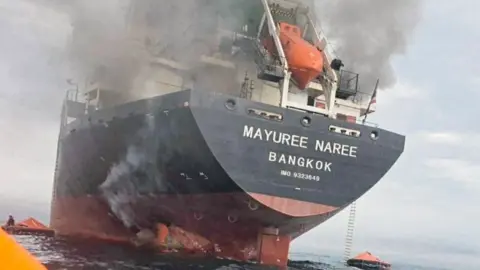
The geopolitical landscape shifted violently on Wednesday as three cargo vessels were struck by “unknown projectiles” in the Strait of Hormuz. This vital oil corridor, through which 20% of the world’s petroleum passes, has become a frontline. In a historic move to counter this “effective closure,” 32 Nations Release Oil Stocks totaling 400 million barrels. The International Energy Agency (IEA) described the situation as “unprecedented,” as it attempts to stabilize a market reeling from the conflict.
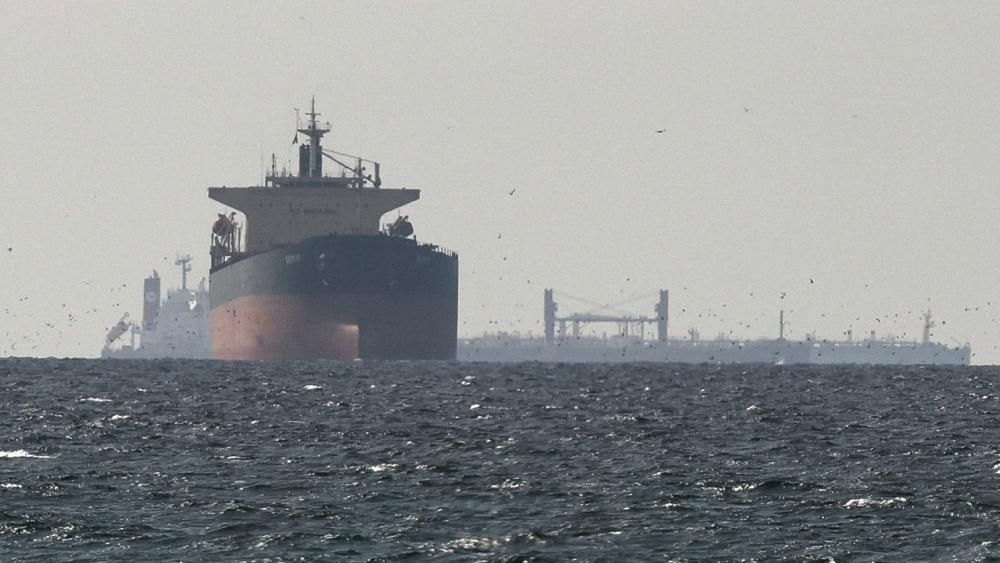
The IEA’s decision marks a desperate attempt to curb skyrocketing prices. As these Nations Release Oil Stocks, the world is watching to see if 400 million barrels can offset the threat of a total blockade. Tehran’s spokesman, Ebrahim Zolfaqari, issued a chilling warning, telling the West to “get ready for the oil barrel to be at $200.” This threat looms large over Pakistan’s economy, as even as Nations Release Oil Stocks, the local cost of fuel continues to bleed the public dry.
A Region Under Fire: Drones and Ballistic Missiles
The violence has expanded far beyond shipping lanes. On Wednesday night, the Islamic Revolutionary Guard Corps (IRGC) launched what they called their “most devastating” operation yet, targeting US bases in Qatar, Kuwait, and Iraq. Simultaneously, drones were intercepted near Dubai International Airport, and ballistic missiles were fired toward Saudi Arabia’s Prince Sultan Air Base.
While Nations Release Oil Stocks to prevent a global energy collapse, the regional stability required for normal trade has all but evaporated. In Oman, fuel storage tanks in Salalah were struck, further tightening the noose on energy logistics. The US and Israel’s strike on Hezbollah targets in Lebanon further complicates the picture. As Nations Release Oil Stocks, the military reality on the ground suggests that the “energy war” is only just beginning.
The Trump Response and Market Fluctuations
Speaking from the White House, US President Donald Trump characterized the fluctuating prices as a “matter of war.” He noted that while Nations Release Oil Stocks, the US military is exploring the possibility of escorting merchant ships through the Strait. Trump warned Iran of “unprecedented military consequences” if the mining of the strait continues.
Despite the military bluster, the economic reality is that the move where Nations Release Oil Stocks is the only thing standing between the global economy and a deep recession. The IEA’s Fatih Birol emphasized that the release of these reserves is a direct response to the “effective closure” of the shipping channel. Whether the move where Nations Release Oil Stocks will be enough to bring prices back down remains a subject of intense debate among G7 leaders.
Conclusion: Can 400 Million Barrels Save the Economy?
The announcement that 32 Nations Release Oil Stocks is a massive intervention, but it is a temporary bandage on a deep wound. For Pakistan, the math is terrifying. Even as these Nations Release Oil Stocks, the country’s external financing needs are ballooning. If oil does hit the $200 mark as Tehran predicts, the IMF’s current EFF program will likely require a complete overhaul.
The fact that Nations Release Oil Stocks on the same day the IMF Talks Stumble creates a “perfect storm” for the Ministry of Finance. They are caught between a global energy war and a rigid international lender. As the US and Israel continue their operations and Iran retaliates across the Gulf, the hope that Nations Release Oil Stocks can provide long-term relief seems increasingly optimistic.
As the 10th round of IMF talks concludes without an agreement, the people of Karachi and beyond must brace for more “war austerity.” The world has released its reserves, but for a nation already on the brink, the greatest reserve—the resilience of its people—is being tested like never before.


Pingback: Pakistan Destroys 12 Vital Oil Hubs in Kandahar: A Brutal