Why Afghanistan and Pakistan Clash 1 Stark Reason Behind the Tension
Shattered Silence: When the Afghanistan and Pakistan Clash Hit Home
For the people living in Kabul’s District 6, the night is rarely a time of true peace, but what happened this past Thursday felt like a final breaking point. It wasn’t just the usual distant echo of a border skirmish that people have grown used to over forty years of instability. This was a bone-shaking, window-rattling explosion that felt personal.
As families poured into the dark streets, looking up to see the sharp silhouettes of fighter jets cutting through the clouds, the terrifying reality set in: the long-simmering Afghanistan and Pakistan Clash had finally moved from the rugged mountains to the very heart of the capital.
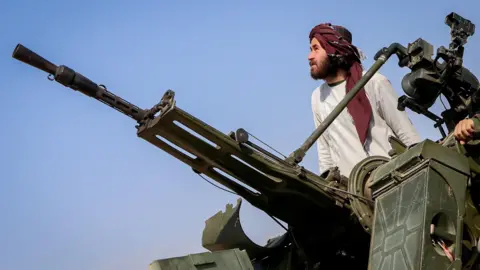
This isn’t just another headline about border friction anymore. We are looking at a dangerous pivot toward an open, full-scale conflict. The fire wasn’t just in Kabul; reports have been flooding in from Paktia and Kandahar—the symbolic and spiritual cradle of the Taliban movement. As the dust settles and the sirens wail, the question of “who started it” remains buried under layers of accusations and fractured narratives.
A Brutal Cycle of “An Eye for an Eye”
If you listen to the Taliban government, this wasn’t an act of aggression but a desperate act of defense. Earlier that evening, Afghan forces launched a significant ground offensive against Pakistani military outposts along the Durand Line.
But move your gaze to Islamabad, and the Afghanistan and Pakistan Clash takes on a completely different color. Pakistani officials are adamant that their strikes are not aimed at innocent people but are surgical operations against “militant nests.” Their focus is the Tehreek-i-Taliban Pakistan (TTP), or Fitna al Khawarij.
For the Pakistani public, the tipping point was the horrific suicide bombing at a Shia mosque in Islamabad that stole over 30 lives. Despite other groups claiming the attack, Pakistan says it has “conclusive evidence” that the TTP—operating from Afghan soil with the help of local handlers—is the hand behind the slaughter.
The Evolution of a Deadly Game
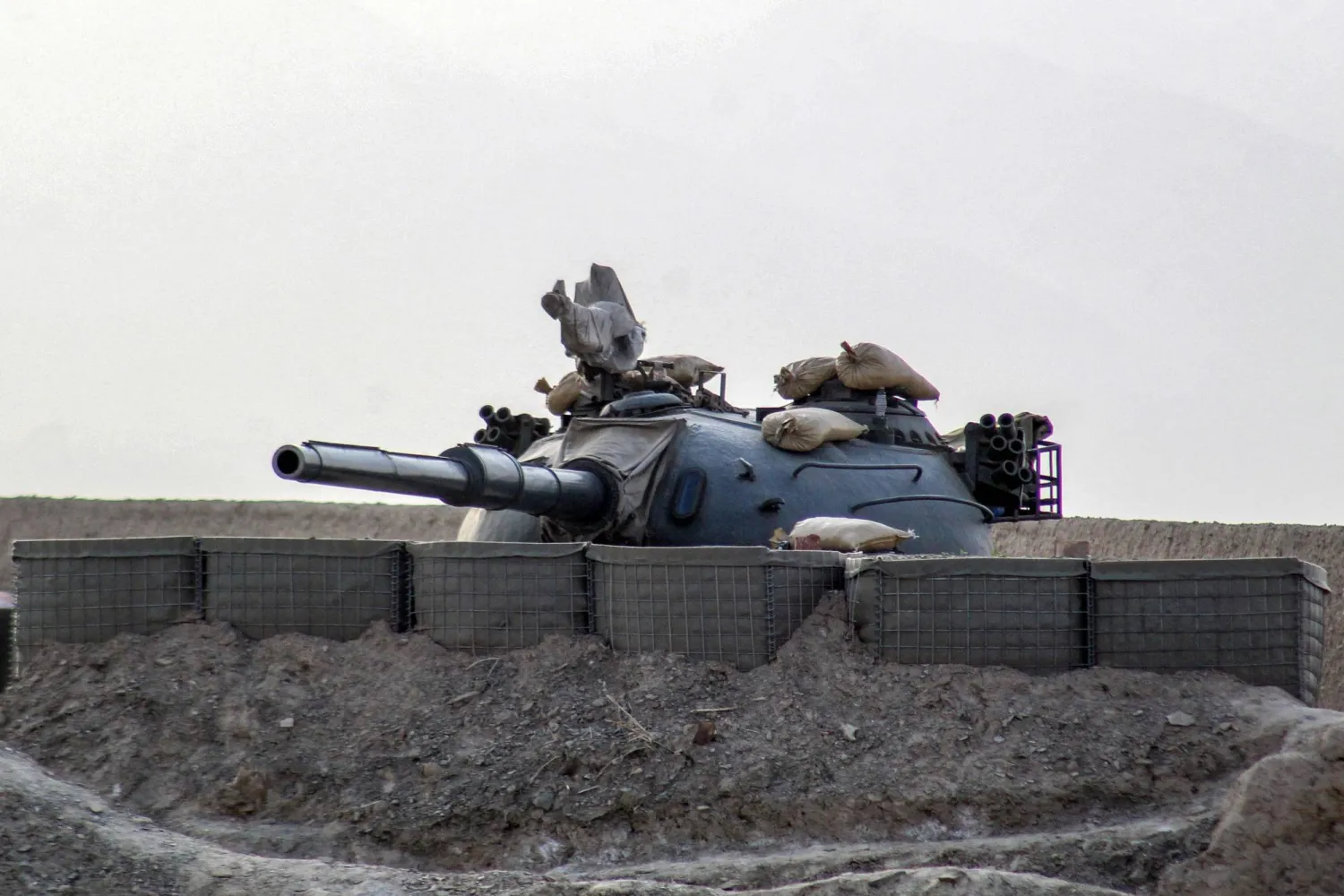
The Afghanistan and Pakistan Clash has traditionally been fought with heavy artillery and old-school border raids, but the nature of this war is changing right before our eyes. Pakistan clearly holds the traditional military high ground, with a modern air force, hundreds of tanks, and high-tech surveillance. Afghanistan, meanwhile, is making do with whatever was left behind by retreating Western forces or what they can scavenge from the global black market.
However, the Taliban are showing that you don’t need a billion-dollar air force to inflict pain. In this latest standoff, they’ve turned to small, cheap, and terrifyingly effective drones. These “flying IEDs” have effectively leveled the playing field, allowing them to strike deep into Pakistani territory and bypass traditional defenses.
Diplomacy is Choking
The most tragic part of the Afghanistan and Pakistan Clash is that it didn’t have to be this way. Only a few months ago, in October, there was a glimmer of hope. Qatar and Turkey stepped in to mediate, with high-level talks in Doha and Istanbul. A fragile ceasefire actually held for a moment, but it eventually crumbled under the weight of deep-seated paranoia and broken promises. Now, both capitals are pointing fingers, accusing the other of being “unserious” about peace.
The cost of this diplomatic failure isn’t just measured in bullets and bombs; it’s measured in human suffering. Since late 2025, the trade routes—the lifeblood of both nations—have been shut down. In Afghan markets, essential medicines and food supplies are vanishing. For an Afghan population already suffocated by poverty and hunger, the return of “bombs from the sky” has destroyed the one thing they thought they had secured since 2021: the simple ability to go to sleep without fearing for their lives.
Searching for Truth in the Fog of War
Trying to get an honest picture of the Afghanistan and Pakistan Clash is like trying to see through a thick fog. The Taliban’s tight grip on the media makes it nearly impossible for independent journalists to verify the damage on the ground. Similarly, the remote, rugged border regions of Pakistan are hard to access, leaving us with two loud, competing propaganda machines. One side’s “terrorist camp” is almost always the other side’s “civilian village.”
As the world watches with growing concern, there is a very real fear that the Afghanistan and Pakistan Clash could pull the entire region into the abyss. If this continues to bleed into major cities and involve neighboring powers like Iran, we are looking at a humanitarian disaster that no one is prepared to handle.
Conclusion: Enough is Enough
At the end of the day, the Afghanistan and Pakistan Clash serves no one except the extremists who love the darkness. Whether you are a resident in Kabul or a worshipper in Islamabad, you deserve a life where you don’t have to look at the sky with terror. Retribution might feel good in the moment, but it has never solved a border dispute.
As the Afghanistan and Pakistan Clash enters this volatile new era, our only hope is that someone, somewhere, chooses a handshake over a trigger. Without a return to honest, face-to-face diplomacy, the only things that will grow on both sides of the border are more graveyards. The cycle of the Afghanistan and Pakistan Clash needs to be broken before it burns everything down.