

Victory as Victoria Passes 1st Powerful Treaty with First Nations People
In a moment described as truly historic, the state of Victoria has become the first in Australia to officially legislate a treaty with its First Nations people. The event marked a new chapter in Australian history — one built on truth, recognition, and shared respect.
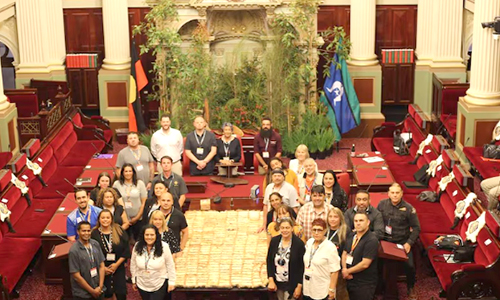
When the upper house of parliament passed the bill late last night, cheers erupted across the chamber. Lawmakers who had supported the motion stood and clapped for a full minute as Indigenous leaders looked on from the public gallery. The moment captured the spirit of unity and the sense of triumph behind the headline — “Victory as Victoria Passes” a milestone that many said was decades in the making.
A New Relationship Between State and First Peoples
The treaty formally acknowledges the “unceded connection” of Victoria’s First Nations people to their land and recognises the historic wrongs and ongoing injustices they have faced for centuries. But more importantly, it lays the groundwork for a renewed relationship between Indigenous communities and the state government — one based on respect, fairness, and equality.
Assembly Co-Chair Ngarra Murray, a Wamba Wamba, Yorta Yorta, Dja Dja Wurrung, and Dhudhuroa woman, called it “a historic moment for our people.” She said this victory symbolises the strength of Aboriginal activism and the resilience that has sustained communities through generations.
“We will tell our children about today, and they will tell theirs,” she said. “This is the story of how decades of struggle led to Australia’s first Treaty.”
Her words echoed through the parliament, reminding everyone that this win was not just political — it was deeply personal. It was a recognition of 60,000 years of Indigenous knowledge, culture, and identity, now finally respected in law.
Victory as Victoria Passes — A Milestone Generations Will Remember
Supporters say the treaty is about healing and moving forward together. For decades, First Nations people have called for formal recognition of their sovereignty and voice. The Victory as Victoria Passes moment is their long-awaited response — one that gives them a seat at the decision-making table.
The legislation creates Gellung Warl, a new framework that includes three core arms:
-
The First People’s Assembly, which acts as the decision-making body,
-
Nyerna Yoorrook Telkuna, a truth-telling commission, and
-
Nginma Ngainga Wara, an accountability arm ensuring transparency.
Together, these structures aim to ensure that Aboriginal voices are not only heard but empowered in the state’s policies and programs.
A Step Toward Self-Determination
Victorian Minister for Children Lizzie Blandthorn described the treaty as a reset in the relationship between the state and its First Peoples.
“This bill is about ensuring Aboriginal voices have a genuine opportunity for self-determination,” she said. “Through Gellung Warl, they’ll be able to provide advice directly to the government and cabinet.”
That principle of self-determination lies at the heart of the treaty. It acknowledges that Indigenous communities are the experts of their own lives and should have the power to shape their future.
Co-Chair Rueben Berg, a Gunditjmara man, said the treaty was not about symbolism but about creating real change.
“Through Treaty, we will have the ability to deliver practical solutions for our local communities — in health, education, housing, and justice,” he said.
“We know what works for us, and now we’ll finally have the authority to make it happen.”
From Parliament to the People
The next step is ceremonial but deeply meaningful. In two weeks, Premier Jacinta Allen and representatives of Victoria’s First Nations communities will officially sign the treaty at Government House. The signing will transform the bill from legislation into living history.
For Indigenous Australians, this is not just paperwork — it’s proof that their voice and culture are being recognised at the highest level. The moment marks Victory as Victoria Passes a commitment to truth, fairness, and partnership that other states may soon follow. Victory as Victoria Passes 1st Powerful Treaty with First Nations People
Challenges and Opposition
Despite its overwhelming emotional impact, the bill faced resistance. It passed 21 votes to 16, with support from the Greens, Animal Justice Party, and Legalise Cannabis Victoria. However, the Liberal Party, Nationals, and others on the crossbench opposed it, claiming it could divide Victorians.
Opposition leader Brad Battin argued that the treaty might cost taxpayers billions of dollars and that the funds should instead go toward “closing the gap” through direct community programs. Critics also raised concerns about representation and accountability within the new system.
Even so, supporters say the Victory as Victoria Passes moment outweighs the challenges. They argue that true reconciliation requires structural change — not just promises. The treaty, they believe, offers exactly that. Victory as Victoria Passes 1st Powerful Treaty with First Nations People
A 60,000-Year Legacy Recognised
For many Indigenous people, this treaty is not just an agreement — it’s justice long overdue. It recognises the continuous connection of First Nations to their lands, language, and traditions.
The document describes that connection as “unceded,” meaning it was never given up, never surrendered. This acknowledgment is now written into Victorian law for the first time.
Across the state, community gatherings and cultural ceremonies are already being planned to celebrate the Victory as Victoria Passes milestone. From Melbourne to regional Victoria, the atmosphere is one of pride, hope, and renewed purpose.
National Impact: Setting an Example for Other States
Victoria’s move could inspire other states to take similar steps. As Australia continues to wrestle with reconciliation and the fallout from the failed Voice referendum, this treaty stands as a powerful example of what genuine partnership looks like.
Policy experts believe this will push other state governments to rethink how they engage with Indigenous communities — not through token gestures, but through shared governance and respect for sovereignty.
If replicated nationwide, the principles behind Victory as Victoria Passes could help shape a more inclusive and honest national identity — one that celebrates, not sidelines, its First Peoples.
Conclusion: A Moment That Defines the Future
The passage of this treaty marks the beginning of a new era in Australia’s history. It is not just a legal document; it is a promise — one that bridges the past and the future.
As Victoria celebrates this win, the words “Victory as Victoria Passes” represent more than just a headline. They tell the story of generations of struggle, strength, and unity — and of a future that finally belongs to everyone