
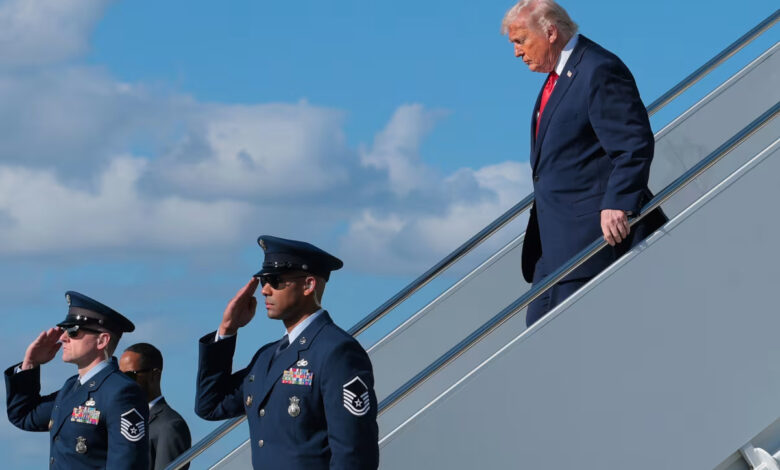
US Military Ready for 1 Massive Iran Strike but Trump Holds Key Final Call
Tensions Peak in the Middle East: US Military Ready as Decision Loom Over Iran
The atmosphere in Washington has shifted from cautious diplomacy to a state of high alert this week. As the global community watches closely, reports from the Pentagon suggest that the US Military Ready to conduct strikes against Iranian targets as early as this weekend. However, the final word rests solely with President Donald Trump, who is currently weighing the heavy consequences of a military intervention versus a continued diplomatic push.
High-Stakes Briefings and Indirect Talks
The situation reached a boiling point on Wednesday when top national security officials gathered in the White House Situation Room. The focus of the meeting was clear: assessing the viability of military options in light of the most recent intelligence. Shortly after, the President was briefed by his special envoy Steve Witkoff and his son-in-law Jared Kushner.
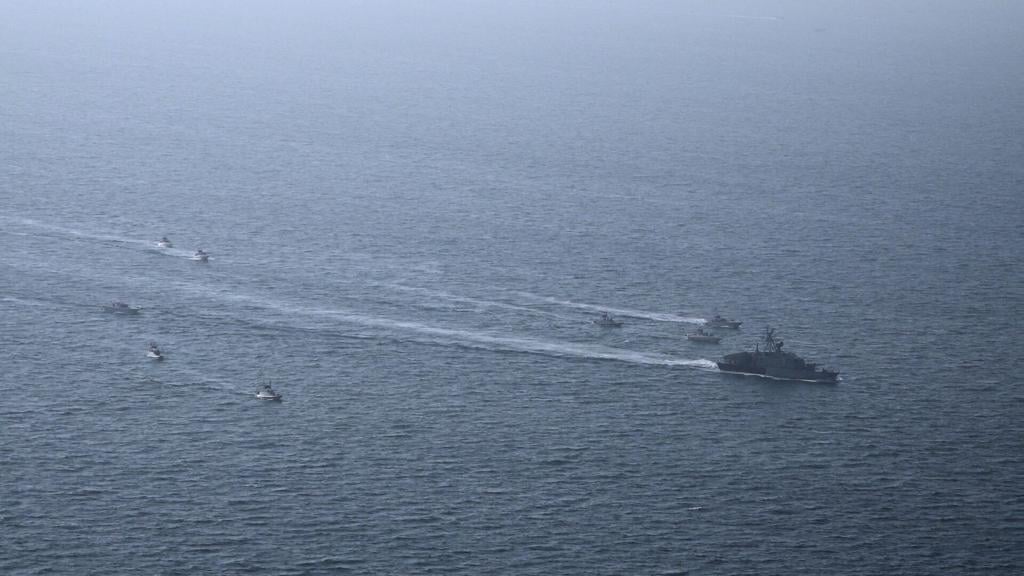
The USS Gerald Ford—the most technologically advanced aircraft carrier in the American fleet—is steaming toward the region and is expected to arrive within days. This deployment is part of a broader strategy to ensure the US Military Ready for any contingency. Simultaneously, US Air Force assets, including fighter jets and essential refueling tankers previously stationed in the United Kingdom, are being moved to bases much closer to the Iranian border.
This flurry of movement is not just about posturing; it is about operational necessity. If an order is given, the proximity of these assets will be crucial for the success of any mission. Military analysts suggest that the current posture ensures the US Military Ready to strike multiple high-priority sites simultaneously, potentially targeting nuclear infrastructure that Iran has been working to protect.
New satellite imagery analyzed by the Institute for Science and International Security reveals a frantic effort by Iran to fortify its most sensitive sites. At locations like the Parchin military complex, Iran has been seen using massive amounts of soil and concrete to bury facilities, creating what some experts call a “concrete sarcophagus.”
These defensive fortifications are clearly designed to withstand aerial bombardment. By burying tunnel entrances and reinforcing facilities under layers of rock and earth, Iran is attempting to complicate any strike plans. However, intelligence officials maintain that despite these efforts, the US Military Ready with specialized munitions designed to penetrate hardened targets.
Furthermore, the Muslim holy month of Ramadan has just begun. Allies in the Middle East have privately lobbied against an attack during this time, warning that it would be perceived as a profound sign of disrespect across the Islamic world. At home, the President is also preparing for his State of the Union address next Tuesday. Balancing these domestic and international factors is a Herculean task, even as the US Military Ready to execute orders at a moment’s notice.
Diplomacy vs. Force: The Final Decision
White House Press Secretary Karoline Leavitt reaffirmed this week that while diplomacy remains the “first option,” all military avenues remain on the table. She noted that Iran is expected to provide more details on its negotiating position in the coming weeks. However, the administration has refused to set a hard deadline, leaving the world in a state of suspense.
When the President eventually makes his choice, he will be deciding between two very different paths. One leads toward a “maximum pressure” deal that ends Iran’s nuclear ambitions through signed agreements; the other leads toward a direct kinetic engagement. The reality that the US Military Ready acts as the ultimate leverage in this high-stakes game of poker.
The Regional Impact of a Strike
The fear of regional destabilization is palpable. Middle Eastern allies who have spent years dealing with the fallout of various conflicts are terrified that a strike could ignite a wider war. From the Strait of Hormuz to the borders of Israel, the potential for Iranian retaliation through proxy groups is a significant concern for the State Department.
Secretary of State Marco Rubio is scheduled to travel to Israel on February 28 to meet with Prime Minister Benjamin Netanyahu. This visit will likely serve as a final coordination point. The mission of this visit is to ensure that even while the US Military Ready, the diplomatic and regional fallout is managed as carefully as possible.
Conclusion:
He has often hinted at the necessity of regime change or, at the very least, a complete dismantling of Iran’s nuclear capability.
The coming hours will determine whether the current buildup was a masterclass in coercive diplomacy or the prelude to a new chapter of conflict in the Middle East. For now, the orders have been issued, the assets are in place, and the US Military Ready. The final decision rests in the hands of one man in the Oval Office.



Pingback: Pakistan Finance Ministry Rejects Misleading 8pc Loan-Inter