
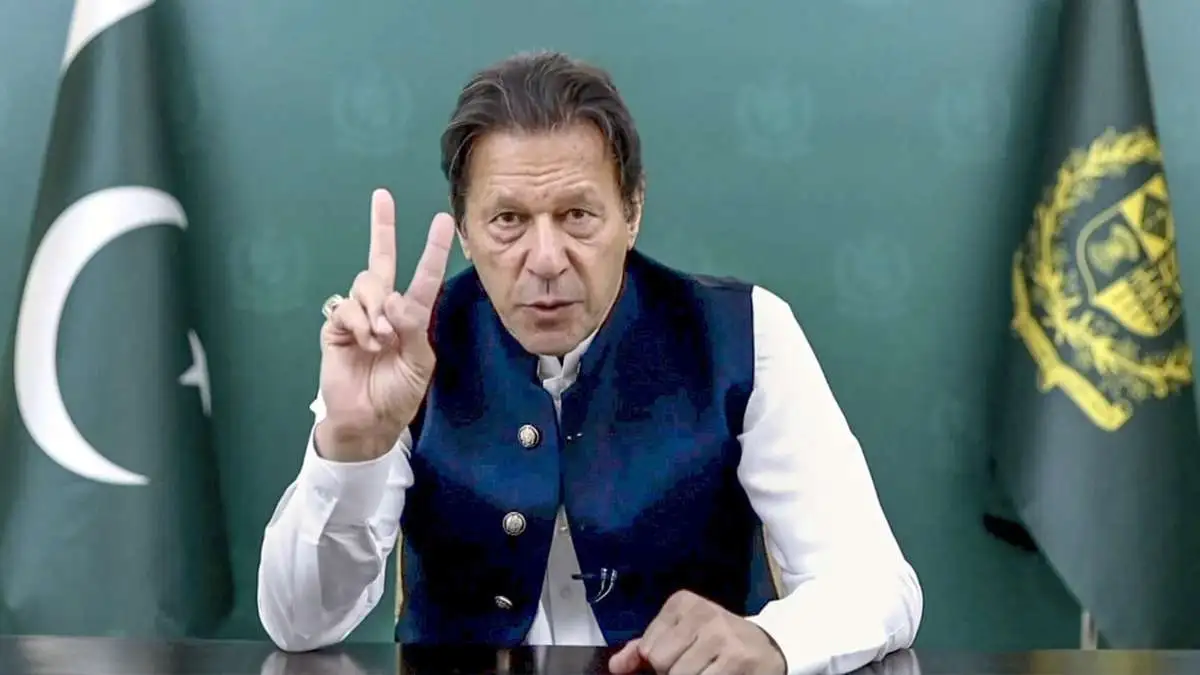
The Resilience of Imran Khan Navigating Pakistan’s Political and Legal Labyrinth in 2026
What’s Really Happening with Imran Khan? A 2026 Reality Check
If you’ve been scrolling through your feed lately, especially if you have ties to the South Asian diaspora in places like Sydney, London, or Toronto, the news coming out of Pakistan feels like a recurring fever dream. At the center of this whirlwind is a figure who has redefined the word “endurance.”
The Hospital Drama: A Flashpoint of Trust
Just days ago, the digital spheres erupted when news broke of Imran Khan being moved to PIMS hospital. The official line from the government was measured: a routine 20-minute procedure for an eye issue (specifically Central Retinal Vein Occlusion), followed by a swift return to his cell. They claimed he was “absolutely fine.”
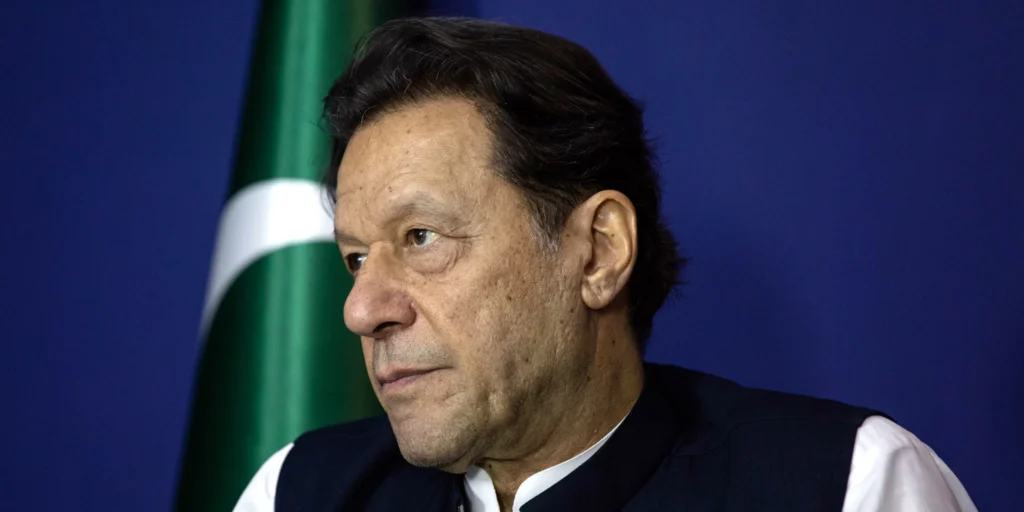
However, in the streets of Lahore and Islamabad, the narrative is vastly different. When a former Prime Minister is moved “secretly” in the dead of night, and his own trusted physicians are barred from the room, a massive trust deficit is born. For our readers in Australia or the UK, this isn’t just about healthcare—it’s a red flag for human rights standards in the 21st century.
Despite these physical ailments and the isolation of solitary confinement, the Resilience of Imran Khan remains the primary engine of his movement. It makes the average observer wonder: where does the line between legal procedure and personal vendetta actually sit?
The Legal Labyrinth: 30 Years of “Lawfare”
It is becoming increasingly difficult for even the most seasoned political analysts to keep track of the mounting cases. From the Toshakhana allegations to the Al-Qadir Trust and state secret leaks, the sentences have piled up to over 30 years. In the eyes of his supporters, this isn’t justice; it’s a strategy known as “Lawfare.“
To a business owner in Melbourne or an investor in New York, this legal mess creates a vibe of profound uncertainty. It’s hard to advocate for foreign direct investment in a country where the most popular leader is caught in a revolving door of courtrooms. Yet, every time a new sentence is handed down, the Resilience of Imran Khan seems to act as a catalyst for his base rather than a deterrent. Instead of fading away, his shadow over the capital only grows longer.
The February 8 Factor: A Digital Pulse
We are currently approaching the anniversary of the controversial 2024 elections. The PTI (Pakistan Tehreek-e-Insaf) has called for a “Black Day” to mark the occasion.
Why the Global Community Should Care
You might be sitting in a cafe in Sydney asking, “Why does this matter to me?” It matters because Pakistan is a nuclear-armed nation with one of the largest young populations on Earth. When the rule of law is perceived as a weapon rather than a shield, it creates global ripples. We see the brilliance of the Pakistani diaspora—tech-savvy, resilient, and hardworking—feeling a deep sense of frustration.
They aren’t looking for a “mythical savior.” They are looking for a fair system. Currently, the treatment of the PTI founder serves as the litmus test for whether that system is broken or fixable. The Resilience of Imran Khan has become the symbol of that struggle for constitutional supremacy.
The Psychological War
Beyond the iron bars of Adiala Jail, there is a psychological battle being fought. The authorities are betting on exhaustion. They hope that, eventually, the public will move on. However, they haven’t accounted for the Resilience of Imran Khan, which thrives on the very adversity meant to crush it.
In 2026, the “Imran Factor” is no longer just about the man; it’s about the sentiment he represents. For many, his refusal to strike a deal or leave the country is proof of a conviction that is rare in modern politics. This specific Resilience of Imran Khan has effectively forced the establishment into a corner where they must either double down on restrictions or find a way to coexist with his massive popularity.
A Stalemated Future?
As we look at the current deadlock, the path forward remains shrouded in fog. Is there a way out? Some suggest a “Grand Dialogue,” while others believe the legal system must be allowed to run its course—provided that course is transparent and fair.
It is a story of a cricketer-turned-philanthropist-turned-politician who survived an assassination attempt in Wazirabad, dozens of jail terms, and an unprecedented media blackout.
This isn’t just a Pakistani story; it’s a study in human endurance. The Resilience of Imran Khan has turned a prison cell into a center of power.
As we move past the anniversary of the 2024 elections, the question isn’t whether Khan will survive the legal onslaught—he has already proven he can. The question is whether the Pakistani state can survive the polarization that this standoff has created.
What do you think? Is the Resilience of Imran Khan enough to bring about a “New Pakistan,” or are we destined to stay in this cycle of chaos?
Let’s keep the conversation going in the comments below. For more updates on global politics and human rights, check out our latest geopolitical analysis.


Pingback: Shock Report Saif al-Islam Gaddafi Shot Dead Amid 5 Grim
Pingback: AJK Hails Pakistan Strong Backing of Kashmiris in Bold in 24