
Taliban Dire Acknowledgment TTP & Other Vicious Terror Groups in Afghanistan
The Ticking Time Bomb: Decoding the Taliban Dire Acknowledgment of Terror Groups
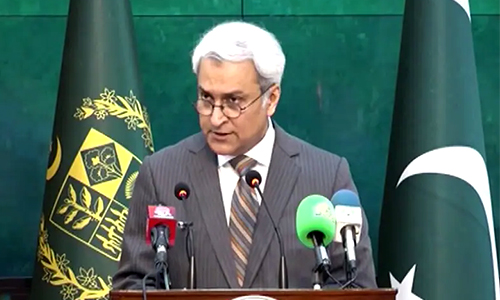
The political landscape surrounding the volatile Pakistan-Afghanistan border has rarely been more fraught, yet a recent statement by Pakistan’s Foreign Office (FO) spokesperson, Tahir Hussain Andrabi, has brought a stark and unsettling clarity. His confirmation that the Afghan Taliban government in Kabul has finally acknowledged the presence of the Tehreek-i-Taliban Pakistan (TTP) and other terrorist organisations on its territory is not merely a diplomatic update; it is a profound and Taliban Dire Acknowledgment of a security reality that Pakistan has endured for years.
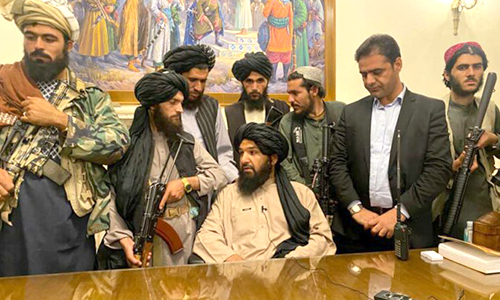
This admission, while significant, is complicated by the Afghan authorities’ simultaneous provision of “various justifications for not taking action against these organisations,” as noted by Andrabi. The presence of these militant elements on Afghan soil, therefore, continues to reinforce, rather than resolve, Pakistan’s legitimate security concerns.
The Stalemate and the Salvage
The announcement came on the heels of the second, intensely tense round of negotiations between Pakistan and the Afghan Taliban in Istanbul, mediated by Turkiye and Qatar. These five days of talks—following an initial round in Doha—were meant to cement a ceasefire and de-escalate tensions that had led to a brief but alarming conflict along the shared border earlier this month.
It was the crucial intervention of the mediators, Turkiye and Qatar, that salvaged the dialogue process for the second time in less than a week. This mediation highlights the international community’s growing anxiety over the cross-border instability. However, the true breakthrough lies not in the continuation of talks, but in the FO’s announcement, which provides a measure of official confirmation regarding Pakistan’s gravest concern. This is the heart of the Taliban Dire Acknowledgment.
Deciphering the Diplomatic Tightrope
Spokesperson Andrabi adopted a tone of “cautiously optimistic” engagement, a phrase that perfectly captures the precarious nature of the current diplomatic dance. He explained that extreme optimism is unwarranted, yet maintaining it is a “professional requirement” for diplomacy. This cautious stance is informed by four years of consistent contact with the Afghan Taliban, during which Pakistan has repeatedly shared “credible information” about the presence of top leadership of groups like Fitna-al-Khawarij (the state-designated term for TTP) and Fitna-al-Hindustan (the term for Balochistan-based groups, used to highlight India’s alleged role).
Despite repeated assurances from the Taliban regime over this period, Pakistan has witnessed a disturbing surge in terrorist attacks launched from Afghan territory. This “consistent and total disregard” for Pakistan’s concerns, culminating in the “unprovoked aggression” across the international border in October, led to violent exchanges and a decisive response from Pakistan. The central issue remains the operational freedom granted to these groups, a state of affairs captured by the phrase Taliban Dire Acknowledgment.
Honouring Commitments, Seeking Action
The FO asserted that Pakistan does not seek further escalation of hostilities. Instead, it “expects the Afghan Taliban regime to honour its commitment to the international community and address Pakistan’s legitimate security concerns by taking concrete and verifiable actions.” This is the core demand. The Taliban Dire Acknowledgment is the first step, but action must follow.
The groups named—Fitna-al-Khawarij and Fitna-al-Hindustan—represent the most critical threats to Pakistan’s internal stability. The TTP, in particular, has leveraged the secure environment of Afghanistan to regroup and rearm, posing a direct threat to Pakistani citizens and security forces. Pakistan has been urging the Afghan Taliban to take “decisive and effective measures” for a long time. The latest round of talks, despite the near-collapse, managed to secure the verbal Taliban Dire Acknowledgment.
The Road Ahead: Hope, Closure, and Torkham
While the diplomatic focus remains on the November 6 talks, which Pakistan hopes will yield a “positive outcome,” the ground reality on the border is stark. The major Torkham border crossing remains closed until further notice, a physical manifestation of the shattered trust and escalating tension. Andrabi, while referring the matter of its reopening to the interior ministry, confirmed that the closure will continue. This affects not only security but also trade and the movement of Pakistani residents and traders who are now being offered the option to return via direct flights. The closed border is a heavy price paid due to the circumstances that led to the Taliban Dire Acknowledgment.
In summary, the statement from the Foreign Office is a landmark moment. It confirms that Pakistan has forced the issue onto the table and secured a verbal admission. But this Taliban Dire Acknowledgment is merely the beginning of the journey. The real test of the Afghan Taliban’s commitment will not be in what they acknowledge, but in what concrete and verifiable actions they take against the terror entities operating on their soil. The world, and particularly Pakistan, will be watching the November 6 talks with a mixture of hope and deep skepticism, fully aware that a verbal assurance without subsequent action is simply a postponed crisis.
This Taliban Dire Acknowledgment must translate into action if stability is to be restored. The continued presence of these groups, as now admitted, is a security threat to the region. The necessity of concrete steps against terror groups following this Taliban Dire Acknowledgment cannot be overstated. We cannot afford to ignore the weight of the Taliban Dire Acknowledgment. It is a moment of truth. Following the Taliban Dire Acknowledgment, the next step is crucial. This Taliban Dire Acknowledgment has changed the dialogue. The hope is that the Taliban Dire Acknowledgment is followed by peace.


Pingback: Pakistan Fierce Strike on Afghan Cities Amid Cross-Border 9