
Shocking Twist Bondi Massacre Gunman Seeks to Hide 3 Family Names
Shocking Twist Bondi Massacre: Accused Gunman Seeks Court Order to Protect Family Identity
The court proceedings surrounding the deadly Bondi Beach shooting have taken an unexpected turn. In what many observers are calling a Shocking Twist Bondi Massacre, the accused gunman has asked the court to keep the identities of his family members private.
Naveed Akram, the 24-year-old man accused of carrying out the attack alongside his father, is facing dozens of serious criminal charges. These include terrorism offences and multiple counts of murder. As the legal battle unfolds, the Shocking Twist Bondi Massacre case is raising difficult questions about media reporting, privacy rights, and the safety of families connected to high-profile crimes.
A Tragedy That Shocked Australia
The Shocking Twist Bondi Massacre stems from a horrifying incident that took place on December 14 at Bondi Beach in Sydney. On that evening, people had gathered for Hanukkah celebrations when gunfire suddenly erupted.
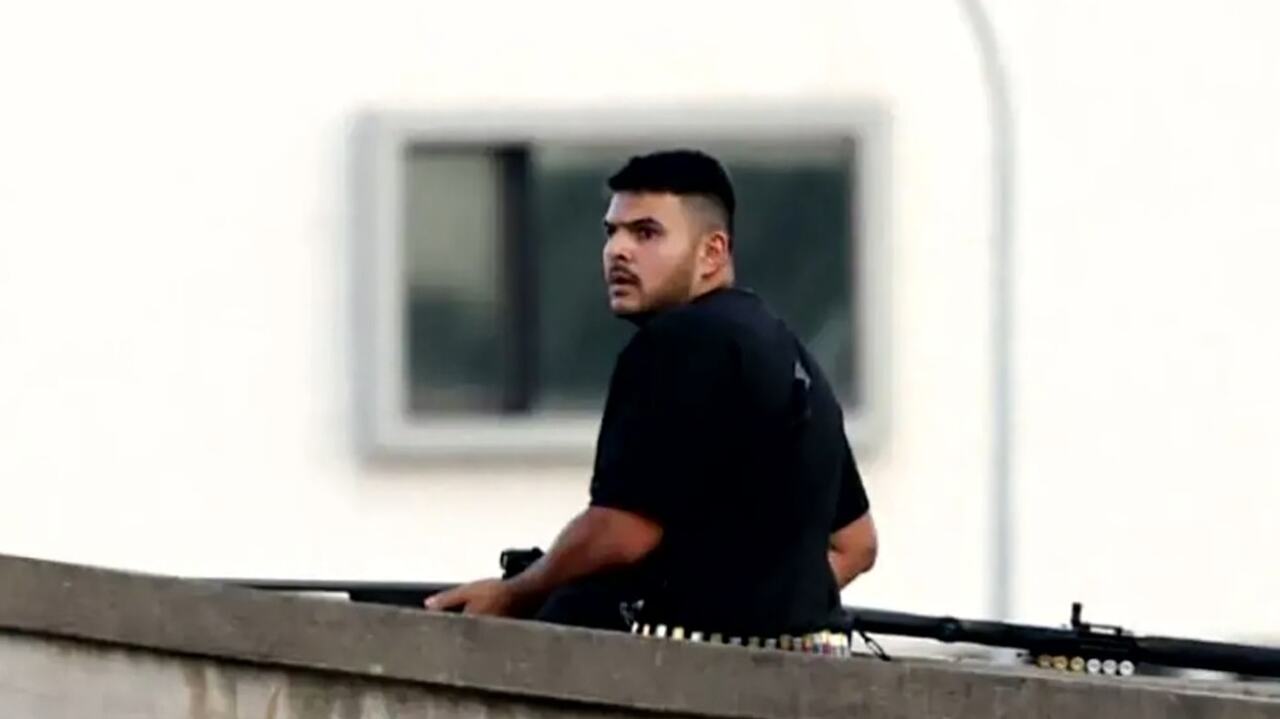
According to investigators, Naveed Akram and his father, Sajid Akram, allegedly opened fire on the crowd from an elevated position. The attack left 15 people dead, including a 10-year-old girl. The scale of the violence shocked the nation and quickly became one of the most devastating attacks in modern Australian history.
Authorities later described the incident as Australia’s deadliest mass shooting since the Port Arthur massacre in 1996.
Father Killed During Police Response
Police responded rapidly after emergency calls flooded in from the scene. During the confrontation with authorities, 50-year-old Sajid Akram was shot and killed by police officers.
Investigators believe he played a direct role in carrying out the attack alongside his son. With his father dead, Naveed Akram is now the only suspect standing trial in the Shocking Twist Bondi Massacre case.
Police have said there is currently no evidence suggesting the attackers were part of a larger group. According to investigators, the father and son allegedly acted alone.
Court Hearing Focuses on Family Safety
During a recent hearing at Sydney’s Downing Centre Local Court, the defense team made a request that quickly drew attention. Lawyers representing Naveed Akram asked the court to block the publication of the names and personal details of his family members.
The request covers the identities of his mother, sister, and brother, as well as their home and workplace addresses.
According to the defense lawyer, the family is worried about potential harassment or threats because of their connection to the accused gunman. In the Shocking Twist Bondi Massacre case, the defense argues that relatives who were not involved in the crime should not be exposed to public hostility.
Magistrate Questions the Request
However, the court raised an important question during the hearing. Some media outlets had already reported the identity of the accused gunman’s mother.
This led the magistrate to ask whether the request for suppression might already be too late. Once information spreads through news reports and social media, stopping its circulation can become nearly impossible.
The debate over the request has added another layer of complexity to the Shocking Twist Bondi Massacre legal proceedings.
Temporary Suppression Order Granted
Despite the concerns, the court agreed to issue a temporary suppression order. The interim order prevents the publication of the names of the accused man’s mother, sister, and brother.
This restriction will remain in place until a full hearing scheduled for March 17. At that time, the court will decide whether a permanent suppression order should be implemented.
For now, the decision ensures that the family’s identities cannot be legally reported while the Shocking Twist Bondi Massacre case continues.
Media Company Challenges the Order
The request for secrecy has been challenged by a major media organization. The publisher sent legal representatives to court to argue that the proposed order would be ineffective.
According to their legal team, the names have already been widely reported both in Australia and internationally. They argued that restricting publication now would not change the fact that the information is already public.
This legal disagreement highlights the ongoing tension between freedom of the press and privacy rights in the Shocking Twist Bondi Massacre case.
Details of the Alleged Attack
Police investigations have also revealed disturbing details about how the attack allegedly unfolded.
Authorities say the suspects parked their car near a footbridge along Campbell Parade before approaching the Hanukkah celebration.
Before opening fire, the attackers allegedly threw several explosive devices toward the crowd. These included pipe bombs packed with steel ball bearings and another device described as a tennis-ball bomb.
Fortunately, none of these bombs detonated. Police later said preliminary analysis suggested the devices were capable of exploding.
Investigators also discovered additional evidence in the suspects’ vehicle, including a box-shaped explosive device and two hand-painted ISIS flags. These discoveries intensified the seriousness of the Shocking Twist Bondi Massacre investigation.
Victims Given Privacy Protection
While the court is debating whether to protect the identities of the accused man’s family, it has already taken steps to protect the victims.
A separate suppression order allows survivors and victims’ families to decide if and when they want to speak publicly about their experiences.
Authorities say this measure is important to give victims control over their stories following the Shocking Twist Bondi Massacre.
National Reaction and Legal Changes
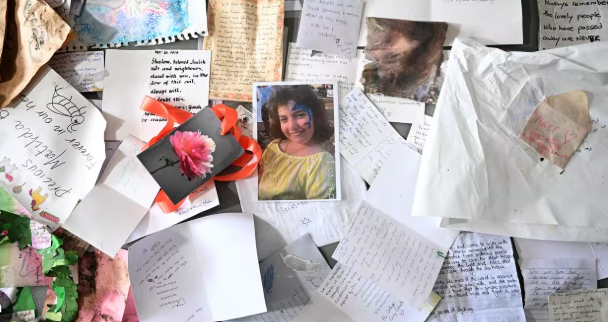
The attack sparked an outpouring of grief across Australia. Memorials and vigils were held to honor the victims and support the affected families.
The Shocking Twist Bondi Massacre also led to political debate and policy discussions. Lawmakers began reviewing laws related to gun ownership, extremism, and community safety.
Many experts believe the tragedy will influence Australia’s security policies for years to come.
Conclusion
As the legal proceedings continue, the Shocking Twist Bondi Massacre remains one of the most significant criminal cases in Australia in recent years.
The court must now balance two important issues: the public’s right to know and the safety of innocent family members connected to the accused.
With a full hearing scheduled in the coming weeks, the next stage of the Shocking Twist Bondi Massacre case will determine whether the identities of the suspect’s relatives remain protected or become public