
Shocking Energy Crisis Bangladesh Shuts Universities, Fuel Limits Hit 5 Cities
We are currently witnessing a Shocking Energy Crisis Bangladesh is struggling to navigate, as the nation’s extreme dependency on imported fuel meets the brutal reality of a Middle East at war.
For a country of 170 million people—the world’s eighth most populous—the numbers are staggering. Bangladesh relies on imports for a massive 95 percent of its energy needs. When the U.S.-Israel conflict with Iran escalated on February 28, it didn’t just disrupt regional security; it effectively severed the energy lifeline of one of the world’s most densely populated nations.
Universities Darkened: The Education Shutdown
On Monday, March 9, 2026, the streets of Dhaka saw a sight usually reserved for the height of the monsoon or major political upheaval. The Ministry of Education took the unprecedented step of closing every public and private university in the country. This isn’t a mere holiday extension; it is a desperate measure to combat the Shocking Energy Crisis Bangladesh is enduring. By bringing forward the Eid al-Fitr holidays, the government hopes to slash the massive power load required to run residential halls, laboratories, and high-intensity air conditioning systems.
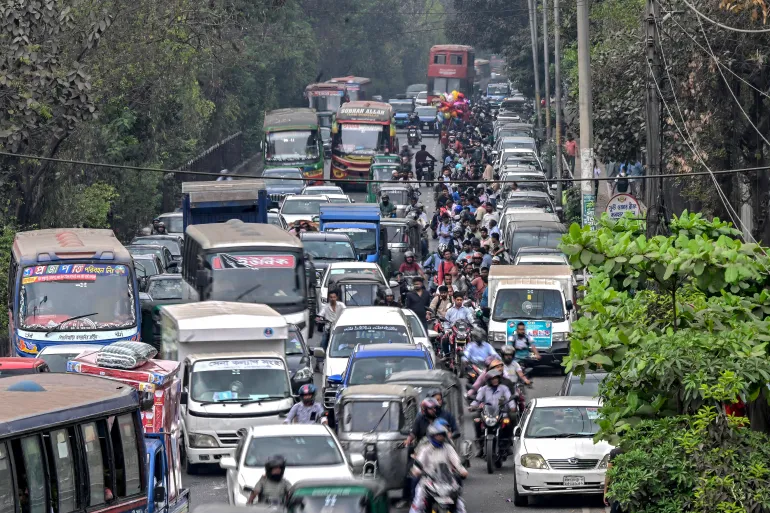
The directive was clear: the nation simply cannot afford to keep the lights on in its ivory towers while the power grid teeters on the edge of collapse. This Shocking Energy Crisis Bangladesh alert has now extended to foreign-curriculum schools and private coaching centers, all of which have been ordered to suspend operations immediately.
Fuel Rationing and the “Two-Liter” Reality
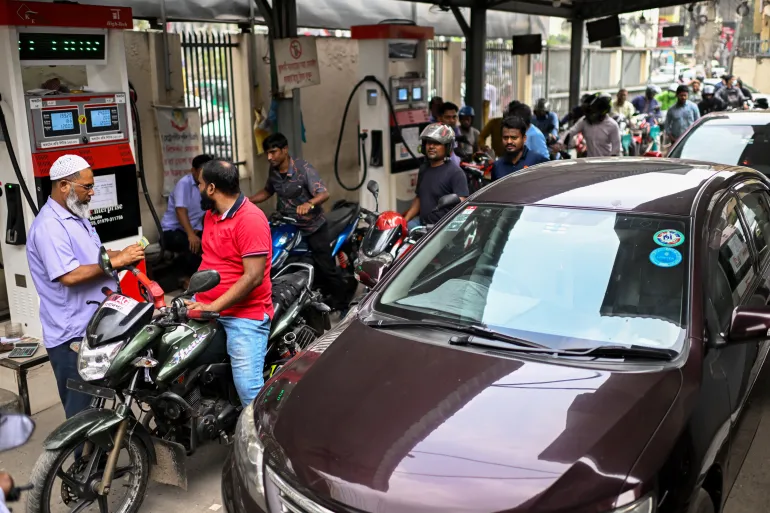
The situation at the pumps has turned from concern to outright chaos. Following reports of panic buying and hoarding, the Bangladesh Petroleum Corporation (BPC) has implemented strict rationing. If you are a motorcyclist in Dhaka today, you are limited to just two liters of fuel per visit. Private cars are capped at 10 liters.
This Shocking Energy Crisis Bangladesh has already claimed lives beyond the lack of electricity. In the Jhenaidah district, a 25-year-old man was tragically killed in an altercation at a filling station over refueling limits, sparking riots and the torching of several buses. It is a grim reminder that a Shocking Energy Crisis Bangladesh isn’t just about economics—it’s about the social fabric of a nation under immense pressure.
Industrial Paralysis: Fertilizer and Food Security
Perhaps the most long-term consequence of this Shocking Energy Crisis Bangladesh is the impact on the agricultural sector. Severe gas shortages have forced the government to halt operations at four of its five state-run fertilizer factories, including the massive Ghorashal-Palash urea plant.
By redirecting the available gas to power plants to prevent total blackouts in the cities, the government is essentially borrowing from tomorrow’s food security to pay for today’s electricity. Analysts warn that if this Shocking Energy Crisis Bangladesh persists, the country will be forced to import urea at inflated global prices, further draining its foreign exchange reserves.
The Regional Context: Why Bangladesh?
To understand this Shocking Energy Crisis Bangladesh, one must look back at the “Shocking Gulf Attack” patterns occurring in the Strait of Hormuz. With maritime traffic at a near standstill and Qatar halting some LNG production due to the hostilities, the global spot market for gas has seen prices surge by over 70%.
For an economy already dealing with 8.5% inflation, the Shocking Energy Crisis Bangladesh is a perfect storm. The country is being forced to buy LNG at “distress prices” while its export-oriented garment sector—the backbone of its economy—faces slowing global demand and rising production costs.
SEO Insights and Survival Strategies
From a Rank Math SEO perspective, the search volume for terms like “Bangladesh fuel rationing” and “energy crisis 2026” has skyrocketed. Professionals and businesses are looking for energy-efficient guidelines to keep their operations running during these mandatory austerity periods.
The government’s new guidelines—encouraging the maximization of natural daylight and the absolute minimization of unnecessary lighting—are more than suggestions; they are survival tactics in this Shocking Energy Crisis Bangladesh.
A Nation in Waiting
As the US orders embassy staff to leave Saudi Arabia and drones hit targets across the Gulf, the 170 million people of Bangladesh are left waiting for a resolution they cannot control. The Shocking Energy Crisis Bangladesh has turned a bustling, rising economy into a nation of queues and darkened classrooms.
“We are doing everything we can to reduce consumption,” said a senior official from the Ministry of Power, Energy and Mineral Resources. But with the Middle East conflict showing no signs of de-escalation, “everything” might not be enough. This Shocking Energy Crisis Bangladesh is a stark lesson in the vulnerability of global supply chains in the 21st century.
Key Impacts at a Glance
| Sector | Current Status | Primary Cause |
|---|---|---|
| Education | All Universities Closed | Shocking Energy Crisis Bangladesh |
| Industry | 4/5 Fertilizer Plants Shut | Gas redirection to Power Grid |
| Transport | Fuel Rationing (2L for Bikes) | Panic buying & Import delays |
| Economy | Record High LNG Spot Prices | Middle East War / Hormuz Closure |
| Social | Protests & Unrest | Scarcity of essential fuels |
The global community must realize that the “Shocking Gulf Attack” headlines have a human cost that extends far beyond the borders of the Middle East. For every missile intercepted over Riyadh, a classroom goes dark in Dhaka. This Shocking Energy Crisis Bangladesh is the silent casualty of a very loud war.
For ongoing updates on the energy markets and regional security, please consult reputable international monitors and the latest government directives.
The Shocking Energy Crisis Bangladesh is a global warning: when the world’s energy heart stops beating, the whole body feels the pain.