SC Issues Powerful Verdict Declaring CNIC Blocking Illegal in 1 Major Ruling
PSC Issues Powerful Verdict on Blocking CNIC Orders
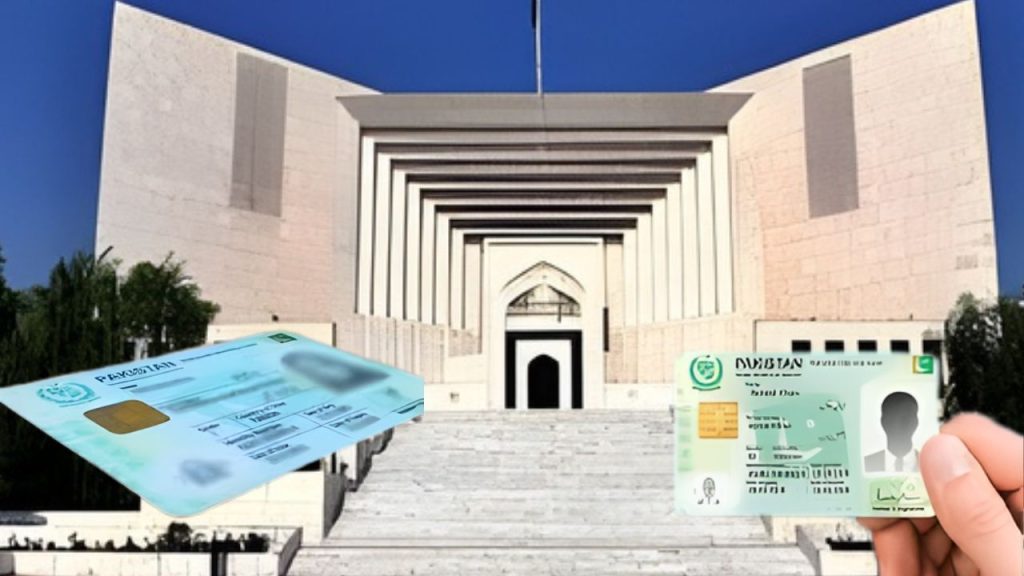
The PSC Issues Powerful Verdict in a case that has cleared a major misconception about how courts can enforce their decisions. The Supreme Court of Pakistan has overturned a ruling by the Sindh High Court which had allowed blocking a citizen’s CNIC over a simple money decree. The PSC Issues Powerful Verdict by saying that taking away someone’s CNIC is almost like taking away their ability to function in everyday life. Whether it’s receiving healthcare, accessing a bank, travelling, working, or even proving your identity, everything depends on a valid CNIC.
PSC Issues Powerful Verdict: Why Your CNIC Can No Longer Be Blocked for Debt Recovery
In our increasingly digital world, can you imagine waking up to find that your identity has been “erased”? For many in Pakistan, this wasn’t just a bad dream—it was a harsh reality. For years, courts sometimes used the blocking of a Computerised National Identity Card (CNIC) as a tool to force people to pay off civil debts. But that era of “digital strangulation” has come to a definitive end. Recently, the PSC Issues Powerful Verdict that serves as a constitutional shield for every citizen, reminding us that our identity is a fundamental right, not a bargaining chip for creditors.
The Supreme Court of Pakistan recently overturned a Sindh High Court order that had allowed a citizen’s CNIC to be blocked to enforce a court decree. Justice Munib Akhtar, leading the bench, penned a judgment that every Pakistani should read. It isn’t just about law; it’s about the dignity of human life.
A CNIC is a Necessity, Not a Luxury
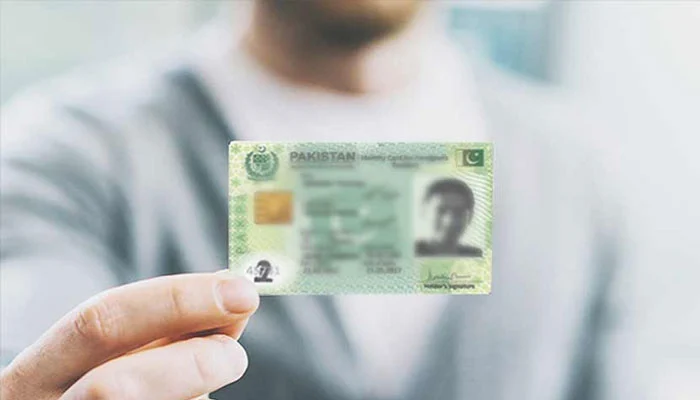
We often think of our CNIC as just a piece of plastic we pull out at the airport or the bank. But Justice Munib’s detailed three-page verdict puts it into perspective: in today’s age, a CNIC is essential for “carrying on a normal life.”
Think about it—without a valid CNIC, you are effectively locked out of society. you can’t operate a bank account, you can’t buy property, you can’t get a mobile SIM, and you certainly can’t travel. By blocking a CNIC, the state isn’t just asking for money; it is depriving a person of their basic existence. The PSC Issues Powerful Verdict emphasizes that stripping someone of their identity card is a violation of their fundamental rights.
The Limits of Judicial Power: Section 51 of the CPC
There is a common misconception that once a court issues a decree, it can do anything to make sure that order is followed. While Section 51 of the Code of Civil Procedure (CPC) gives courts the power to attach property or even detain a debtor in civil prison, it doesn’t give them a blank check.
Justice Munib clarified that judicial discretion must stay within the bounds of the law. The PSC Issues Powerful Verdict makes it clear that blocking a CNIC is not a valid mode of execution for a money decree. The Justice used a very relatable analogy: if we allow courts to block CNICs for debt, what stops them from cutting off a person’s water or electricity to force a payment? Such measures are “excessive” and have no place in a fair justice system.
The “KPK Amendment” vs. The Rest of Pakistan
However, the Supreme Court was quick to point out that this rule only applies in KPK—not in Sindh or any other province.
The PSC Issues Powerful Verdict notes that the very fact that KPK needed a specific amendment to allow this proves that, under normal circumstances, courts have no “implied” power to block an ID card. Without explicit legal backing, such an act is simply an overreach of authority.
Putting Humanity Back into the Law
The roots of this case go back to 2016. After a trial court ordered a petitioner to pay a sum of money, his CNIC was blocked as a punishment for non-payment.
The PSC Issues Powerful Verdict teaches us that while the law must be followed, it should not be used to crush the human spirit. The court acknowledged that while debt recovery is important, the measures taken must not deprive a person of their essential means of living. You cannot leave a person “digitally dead” just to settle a financial account.
Rank Math SEO: What Does This Change for You?
From a legal and SEO standpoint, the implications of this ruling are massive. The PSC Issues Powerful Verdict ensures:
Identity Protection: Your CNIC is now officially recognized as an “Essential Right.”
Standardized Execution: Trial courts can no longer “invent” punishments like blocking utilities or IDs.
Citizen Empowerment: You now have a Supreme Court precedent to protect yourself if a lower court tries to overstep.
As Pakistan moves toward a fully digitized economy, the PSC Issues Powerful Verdict provides the safety net we all need. This isn’t just a win for one petitioner; it’s a win for the rule of law.
Final Thoughts
We hope that moving forward, our legal system continues to prioritize human rights over coercive tactics. It’s time to move away from muscle-flexing and toward a more compassionate, statutory-based legal system.