PTI Protest Sparks 7 Fierce Claims of Denied Care for Imran Khan
PTI Protest Sparks Nationwide Unrest Over Denial of Care to Imran Khan
The political temperature in Pakistan rose sharply on Friday as the opposition mounted strong demonstrations across major cities. The latest wave began after reports emerged that former prime minister Imran Khan was suffering from vision loss while in custody. This revelation triggered a new chapter of public anger, and once again, PTI Protest Sparks attention at the national level.
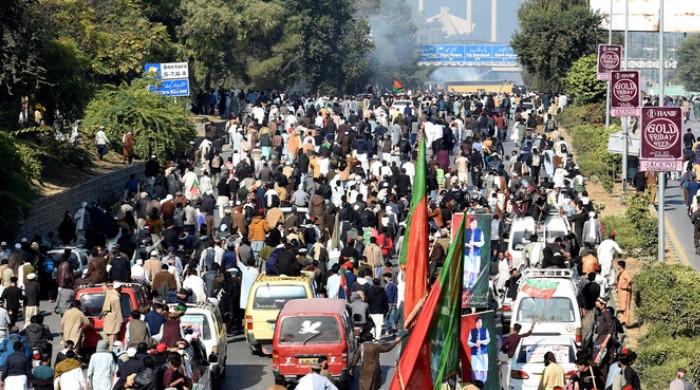
From Islamabad to Karachi, Lahore, and Peshawar, the party and its allies moved quickly, staging sit-ins, challenging police blockades, and demanding immediate medical treatment for the jailed leader. Friday’s developments showed that PTI Protest Sparks more than just political debate — it now represents a confrontation between the state and a deeply motivated political movement.
Sit-In at Parliament House
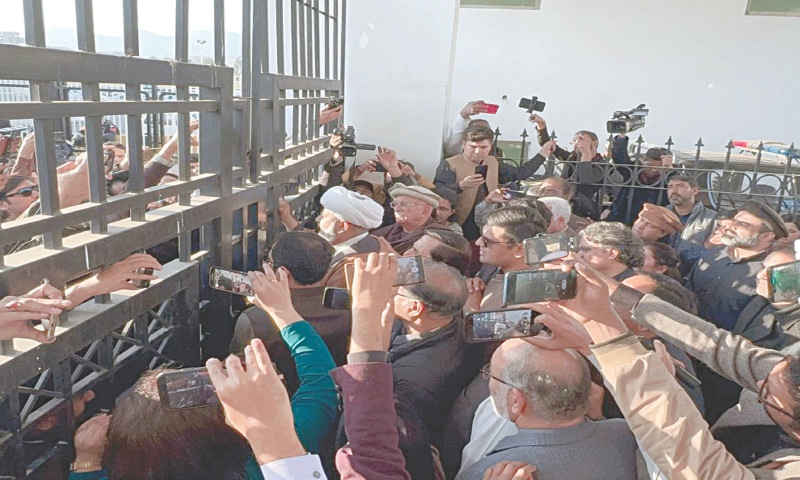
In Islamabad, PTI leaders and members of the Tehreek-i-Tahafuz Ayeen-i-Pakistan (TTAP) gathered outside Parliament House before pushing their way inside. Their main demand was simple: shift Imran Khan to a private hospital, a move they believe is necessary given recent concerns about his health.
PTI leader Asad Qaiser stated that lawmakers “overcame all obstacles” on their way to the sit-in, a clear reference to the multiple police checkpoints placed across the capital. TTAP chief Mehmood Khan Achakzai, in a video message, vowed to continue protesting until their demands were met.
This moment once again showed how PTI Protest Sparks unity among opposition forces who have otherwise struggled to work together in recent years.
Inside Parliament’s entrance hall, PTI MNAs and senators staged a separate sit-in. The party later alleged that police had locked the gates of Parliament Lodges from the outside, preventing several lawmakers from moving freely.
Confrontation With KP Officials
The tension extended further when Khyber Pakhtunkhwa Chief Minister Sohail Afridi attempted to reach Parliament House but was stopped by Islamabad police. Unable to enter the Red Zone, the KP delegation staged a sit-in outside KP House instead. Protesters accused police of pushing, shoving, and mishandling members of the provincial assembly.
PTI leaders and workers attempted to reach the location, but entry points were sealed. When they couldn’t break through the barriers, they shifted to Saddar and held their demonstration there.
This revelation not only unsettled his followers but created a nationwide emotional outcry. Citizens felt that the situation had crossed a line, and PTI Protest Sparks began to dominate headlines across the country.
From Islamabad to Karachi, Lahore, and Peshawar, the party and its allies quickly organized sit-ins, challenged police blockades, and demanded immediate medical attention for the jailed leader.
Their demand was clear: transfer Imran Khan to a private hospital for proper treatment.
PTI leader Asad Qaiser said their members “overcame all obstacles” to reach the sit-in. TTAP chief Mehmood Khan Achakzai warned that the protest would continue until all demands were met. The energy and determination inside Parliament reflected that PTI Protest Sparks a sense of urgency far beyond regular political disagreements.
Even with obstacles, the youth demonstrated resilience, showing how PTI Protest Sparks spontaneous gatherings that reflect real public concern. One young protester remarked,
“We came with hope, but even being blocked, we had to make our voices heard.”
This shift in venue was another example of how PTI Protest Sparks spontaneous public gatherings.
Whether this movement leads to policy changes, improved treatment for Imran Khan, or a deeper political divide remains to be seen.
But one thing is clear: what happened across the country on Friday has shifted the mood, and the public is paying close attention.
Conclusion
The Friday protests reveal that PTI Protest Sparks genuine emotional and political reaction across Pakistan.
The widespread demonstrations show just how much PTI Protest Sparks emotional and political reaction across Pakistan. The question now is how the government will respond. Will it open dialogue and address medical concerns, or tighten security measures even further?