
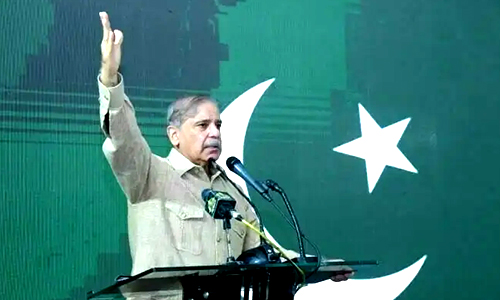
PM Shehbaz Launches 3-Year Power Subsidy: Boost for Industries or Burden on Economy?
Prime Minister Shehbaz Sharif has taken another major step toward boosting Pakistan’s struggling economy. On Thursday, PM Shehbaz launched a three-year Roshan Maeeshat Electricity Package, offering subsidised power rates for industries and the agricultural sector. The move aims to revive production, create jobs, and reduce the burden of high electricity costs that have long weakened Pakistan’s competitiveness in the regional market.
A New Phase of Economic Support
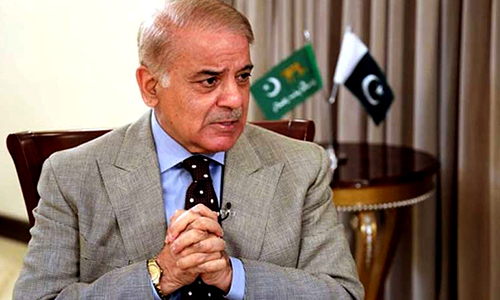
According to the Prime Minister’s Office (PMO), the decision was made after a high-level meeting with experts from the industrial and agricultural sectors, along with representatives from the business community. The PM said the package will provide additional electricity at a fixed rate of Rs22.98 per unit from November 2025 to October 2028.
This is a substantial reduction compared to the current Rs34 per unit for industries and Rs38 per unit for agriculture. Importantly, PM Shehbaz assured that the financial burden of this subsidy will not be transferred to domestic consumers.
“The development of industry and agriculture is vital for the growth of the national economy and the creation of employment opportunities,” the Prime Minister stated.
What Makes the ‘Roshan Maeeshat Package’ Different
The Roshan Maeeshat Electricity Package is not just another short-term relief scheme. Unlike previous limited-duration subsidies, this one spans three full years, providing much-needed stability and predictability to industrialists and farmers. PM Shehbaz Launches 3-Year Power Subsidy: Boost for Industries
PM Shehbaz highlighted that the package will operate year-round, ensuring consistent access to affordable power that can directly boost production, particularly in the textile, fertilizer, and small-scale farming sectors. PM Shehbaz Launches 3-Year Power Subsidy: Boost for Industries
In addition, the Prime Minister said the government will simplify billing procedures and ensure transparent energy allocation so that industries can plan long-term growth strategies without fear of fluctuating tariffs.
Economic Impact and Business Community Response
The announcement has received a mixed response from the business community. Many industrialists have welcomed the decision, calling it a “ray of hope” for economic revival. According to some experts quoted by Dawn News, the initiative could help Pakistan reduce its trade deficit by increasing exports and stabilizing local production.
However, critics have also warned of potential fiscal pressure on the national budget. Economists point out that if not managed carefully, subsidised tariffs may widen the fiscal deficit, especially if energy demand increases beyond projected levels.
Still, the positive momentum from last year’s Winter Energy Package supports the government’s optimism. Under that initiative, the industrial and agricultural sectors consumed 410 gigawatt-hours of additional electricity, which led to higher output and increased employment opportunities across several provinces.
Industrial and Agricultural Growth at the Core
In his speech, PM Shehbaz Sharif stressed that industrial and agricultural development are central to Pakistan’s national growth strategy. By providing cheaper energy, the government hopes to lower production costs, attract investment, and improve the country’s standing in the regional manufacturing market.
Many manufacturers, particularly in the textile and export sectors, have been struggling with electricity costs that exceed those in neighboring countries such as India, Bangladesh, and Vietnam. Lowering the per-unit cost to Rs22.98 could bring Pakistan closer to regional parity and enhance export competitiveness.
For farmers, cheaper electricity means affordable tube-well operations and better irrigation facilities, resulting in higher agricultural yields. The government also expects this step to reduce inflationary pressure on food prices by lowering production costs. PM Shehbaz Launches 3-Year Power Subsidy: Boost for Industries
FPCCI’s Earlier Demands and Government Response
Earlier this month, the Federation of Pakistan Chambers of Commerce and Industry (FPCCI) had urged the government to announce a long-term incremental electricity package for industries. The business body had expressed concern that Pakistan’s electricity tariffs were far higher than regional averages — between 6 to 8 US cents per unit in competing economies.
In a letter to Power Minister Sardar Awais Ahmad Khan Leghari, the FPCCI criticized the delay in bringing industrial tariffs to regional levels. The government’s new Roshan Maeeshat Package appears to be a direct response to these concerns, showing that PM Shehbaz’s administration is listening to business stakeholders and taking steps to support them. PM Shehbaz Launches 3-Year Power Subsidy: Boost for Industries
Balancing Relief with Fiscal Responsibility
While the package has been welcomed as a pro-growth measure, economists are cautious about its long-term implications. Subsidies, if not supported by strong revenue measures, could add to Pakistan’s fiscal deficit and create dependence on external borrowing.
However, supporters argue that the timing is strategic. With exports declining and unemployment rising, the government needed a confidence-building policy to encourage industrial output and attract foreign investment. PM Shehbaz Launches 3-Year Power Subsidy: Boost for Industries
If implemented effectively, this plan could generate thousands of new jobs and reduce Pakistan’s reliance on imports by increasing domestic production capacity.
PM Shehbaz’s Vision for Economic Revival
This package aligns with PM Shehbaz’s broader economic revival vision, which focuses on stabilizing the power sector, controlling inflation, and boosting exports. In his address, he emphasized improving the “ease of doing business” to make Pakistan more competitive globally. PM Shehbaz Launches 3-Year Power Subsidy: Boost for Industries
The Prime Minister also assured investors that transparency, accountability, and long-term policy continuity will remain central to his administration’s approach.
“We are taking every possible step to enhance the competitiveness of Pakistan’s industries and agricultural sector within the region,” he said. PM Shehbaz Launches 3-Year Power Subsidy: Boost for Industries
Internal Link Example (For Your Website)
👉 Read more Pakistan’s recent economic reforms
👉 Explore how energy policies impact industrial growth
PM Shehbaz Launches 3-Year Power Subsidy: Boost for Industries

Pingback: Sanae Takaichi 5 Bold Steps to Japan’s Future - Voice of Australia