Petrol Price Plummets to Rs378/Litre as Govt Slashes Rs80 Levy – Huge Relief!
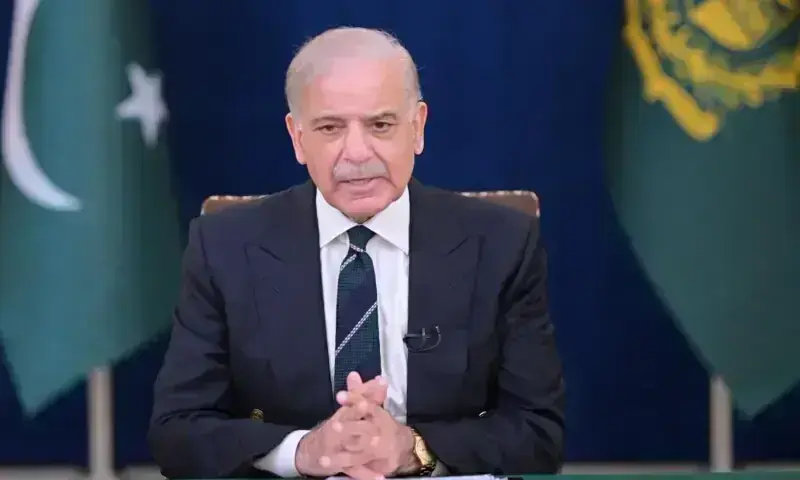
In a move that has sent ripples of relief across the nation, Prime Minister Shehbaz Sharif has intervened to provide a much-needed buffer against the global energy crisis. On Friday, the Premier announced a significant policy shift: the Petrol Price Plummets as the government slashes the petroleum levy by Rs80 per litre. This decision brings the final consumer price down to Rs378 per litre, a sharp reversal from the record-high levels seen just 24 hours prior.
This announcement comes as Pakistan navigates the fallout of the US-Israeli war on Iran, which has destabilized international oil markets since late February 2026. For a nation already battling inflation, the news that the Petrol Price Plummets serves as a vital lifeline for the common man, farmers, and the transport sector.
Breaking Down the New Fuel Rates
The recent volatility in the fuel market has been nothing short of a rollercoaster. On Thursday, the government had announced a staggering 43% hike in petrol and a 55% increase in high-speed diesel (HSD). These adjustments initially pushed petrol to a daunting Rs458 per litre.
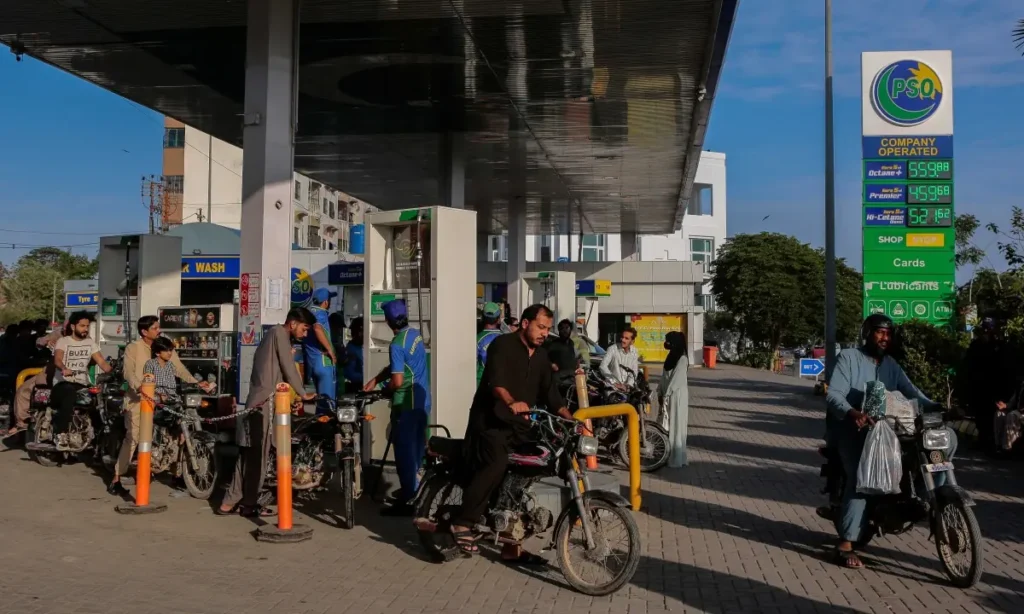
However, following the Prime Minister’s televised address, the Petrol Price Plummets to the revised rate of Rs378. The new pricing structure, effective from 12:00 AM Saturday, is summarized below:
| Fuel Type | Previous Price (April 2) | Revised Price (April 4) | Change |
| Petrol | Rs458.40 | Rs378.00 | -Rs80.40 |
| High-Speed Diesel (HSD) | Rs520.35 | Rs520.35 | No Change |
While the price of diesel remains high to manage freight and transportation costs, the government has completely abolished the petroleum levy on HSD to prevent further hikes. Conversely, the levy on petrol was reduced from the proposed Rs160 back to a more manageable level to ensure the Petrol Price Plummets for the end user.
Global Conflict and Domestic Impact
The primary catalyst for this domestic fuel crunch is the ongoing geopolitical tension in the Middle East. Since the conflict began on February 28, 2026, Brent crude prices have skyrocketed, occasionally surging by nearly 10% in a single day due to supply chain disruptions in the Strait of Hormuz.
Prime Minister Shehbaz Sharif noted that even major global economies are struggling under the weight of this “skyrocketing” inflation. Pakistan, despite its limited national resources, spent approximately Rs129 billion over the last three weeks to cushion the impact of these international surges. The decision to ensure the Petrol Price Plummets today is a testament to the government’s efforts to prioritize public welfare over fiscal tightening.
Timeline of Rejections and Hikes
The road to this week’s decision was paved with multiple attempts by the PM to shield the public:
-
March 13: PM rejected a price hike following international market surges.
-
March 20: Rejection of a proposed Rs76/litre increase.
-
March 27: A third recommendation for a Rs95/litre hike was turned down.
-
April 2: Unprecedented hike announced due to exhaustion of subsidy funds.
-
April 3: Final intervention ensuring the Petrol Price Plummets by Rs80.
Extreme Austerity: Cabinet Leads by Example
In a rare move reflecting the gravity of the economic situation, the federal cabinet has intensified its austerity drive. Previously, members had agreed to forgo their salaries for two months. However, the Prime Minister announced that this period has now been extended to six months.
Interestingly, the PM admitted this decision was made in “haste” due to the urgency of the fuel crisis, preventing him from consulting all cabinet members beforehand. Nevertheless, the move is intended to show solidarity with the public as the Petrol Price Plummets at the expense of the national exchequer.
Targeted Subsidies and Relief Measures
To further alleviate the burden, the government has introduced a comprehensive targeted subsidy program. This initiative is designed to help those most affected by the rising cost of living:
-
Motorcyclists: A subsidy of Rs100 per litre.
-
Public Transport: Free state-run transport in major cities for 30 days.
-
Logistics: Monthly subsidies ranging from Rs70,000 for small trucks to Rs100,000 for passenger buses.
-
Railways: A freeze on economy class fares to keep travel affordable for the masses.
As the Petrol Price Plummets, these additional measures ensure that the “trickle-down” effect of lower fuel costs reaches the most vulnerable segments of society immediately.
What Happens Next?
The Prime Minister has assured the nation that the current price of Rs378 will remain unchanged for at least one month. This period of stability is crucial for businesses to recalibrate their operational costs. Meanwhile, Deputy PM Ishaq Dar and Army Chief Field Marshal Asim Munir are reportedly engaged in diplomatic efforts to seek de-escalation in the Middle East, which remains the root cause of the energy volatility.
For the average Pakistani citizen, seeing the Petrol Price Plummets provides a moment of breathing room. While the global situation remains unpredictable, the domestic shift indicates a government willing to stretch its limited resources to provide a safety net.
As the world watches the Middle East, the fact that the Petrol Price Plummets in Pakistan offers a glimmer of hope that the peak of the local crisis may have passed. However, with the war still ongoing, the government’s ability to maintain these subsidies will be the ultimate test of its 2026 economic strategy.