Pakistans Bold Military Strike in Afghanistan Kills 27, Shaking Region
Pakistans Bold Military Strike: A Closer Look at Rising Regional Tensions
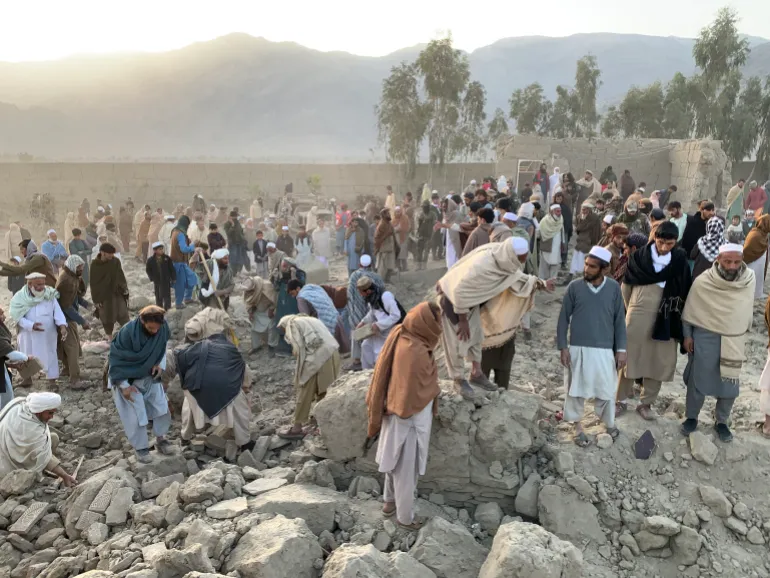
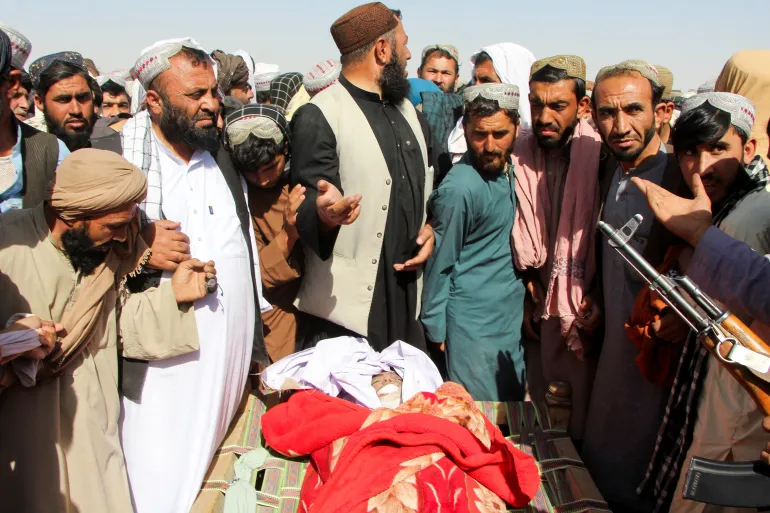
Tension between Pakistan and Afghanistan has been high for months, but Pakistans Bold Military Strike on Sunday pushed the situation into even more uncertain territory. According to Pakistan, the strikes targeted camps used by armed groups responsible for recent deadly attacks inside the country. But the Afghan Ministry of Defence offered a very different version of events. Their statement claimed the air strikes hit a religious school and several homes, killing and wounding dozens of civilians, including women and children.
This sharp difference in narratives shows how fragile relations between the two neighbors have become. And now, both sides are dealing with growing pressure—political, military, and diplomatic—after Pakistans Bold Military Strike triggered global concern.
A Growing Wave of Attacks
Pakistan’s military said it carried out “intelligence-based and selective operations” against seven hideouts of the Tehrik-e-Taliban Pakistan (TTP) and its affiliates in the Afghan provinces of Nangarhar and Paktika. Pakistan also claimed that an affiliate of Islamic State Khorasan was targeted during the strikes.
These attacks came after a series of deadly incidents inside Pakistan. The most shocking was the suicide bombing at the Khadija Tul Kubra Mosque in Islamabad’s Tarlai Kalan area. Thirty-one people were killed and more than 170 were injured during afternoon prayers. The Islamic State group later claimed responsibility.
Pakistan said it had evidence that the planning and training for the mosque attack happened in Afghanistan. This became a central justification for Pakistans Bold Military Strike, as Islamabad insisted it could not ignore repeated cross-border threats.
Afghanistan’s Reaction
The Taliban Government of Afghanistan condemned the strikes strongly. Its defence ministry called the attacks a “breach of international law and the principles of good neighbourliness.” According to them, civilian locations—not militant bases—were hit.
They also warned that Afghanistan would respond “with a measured and appropriate reaction” at a time of their choosing. This direct message, combined with rising anger among Afghan officials, shows how quickly tensions could escalate after Pakistans Bold Military Strike.
Pakistan’s Position
Pakistan’s Ministry of Information said the country had “conclusive evidence” linking recent attacks in Islamabad, Bajaur, and Bannu to fighters operating from inside Afghanistan. They also stated that Pakistan had repeatedly asked Kabul to take action against these groups but saw no meaningful response.
Pakistan argues that its hand was forced, and Pakistans Bold Military Strike was a defensive step to protect its citizens. The ministry added that Pakistan “has always strived for peace in the region” but that national security remains the top priority.
Violence on the Rise in Pakistan
Just hours before the strikes, a suicide bomber targeted a security convoy in the Bannu district of Khyber Pakhtunkhwa, killing a lieutenant colonel and another soldier. The next day, another bomber in the Bajaur district rammed an explosives-laden vehicle into a security post, killing 11 soldiers and a child. Last year, deadly clashes left dozens killed on both sides. A ceasefire was negotiated by Qatar on October 19, but trust was never fully restored. Later talks in Istanbul failed to produce a formal security agreement.
Now, after Pakistans Bold Military Strike, the already fragile relationship faces even deeper cracks. Both sides accuse each other of supporting hostile groups, and neither seems willing to step back.
Global Concerns and the Doha Agreement
Pakistan repeated its call for the international community to pressure Kabul to honor the 2020 Doha Agreement, signed between the Taliban and the United States. Under that agreement, Afghanistan promised it would not allow its territory to be used for attacks against other countries.
Islamabad argues that failing to enforce this principle threatens regional and global stability. This argument has become central to Pakistan’s justification for Pakistans Bold Military Strike, and officials say more operations could follow if threats continue.
Civilian Harm and Humanitarian Concerns
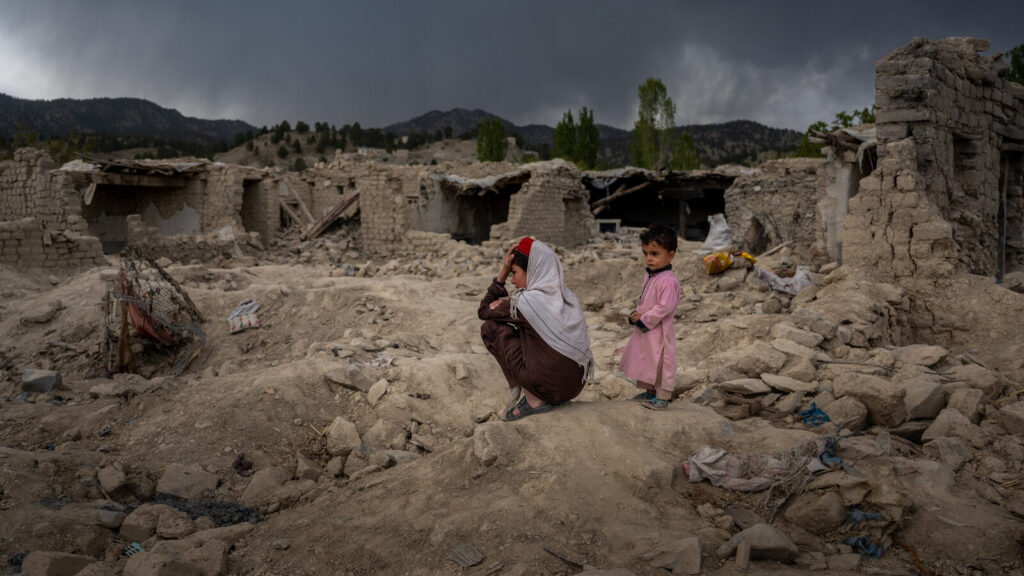
Afghanistan insists the air strikes destroyed homes and a religious school, causing heavy civilian casualties.
Pakistan denies targeting civilians and maintains that only “terrorist infrastructure” was hit.
Either way, the humanitarian impact is serious.
Right now, both countries are on edge. Afghanistan has promised a response. Pakistan says it will continue acting against cross-border militants. With anger growing on both sides, even a small misstep could escalate into a larger conflict.
As the region processes Pakistans Bold Military Strike, observers worry that this may be the start of a more dangerous chapter. A peaceful outcome will depend on diplomatic pressure, responsible leadership, and international involvement.