
Pakistan Issues Strong Demarche Summons Afghan Envoy After Deadly Waziristan Attack
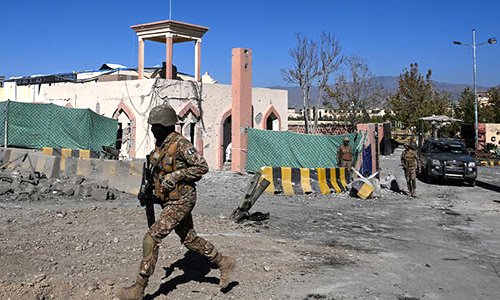
The silence of the North Waziristan valleys was shattered on December 19, 2025, not by the usual winds, but by the devastating echoes of a suicide blast. Four of our finest soldiers laid down their lives defending a military camp against a brutal assault by the Hafiz Gul Bahadur Group. While the smoke has cleared, the diplomatic fire it ignited is just beginning to spread. In a swift response, Pakistan Issues Strong Demarche to the interim Afghan government, making it clear that patience has its limits.
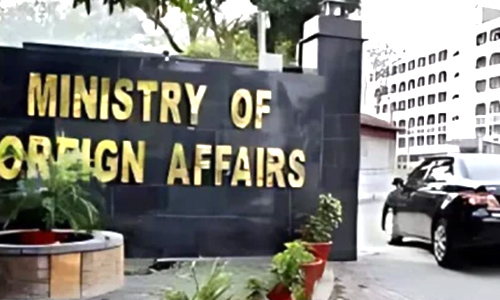
The Ministry of Foreign Affairs (MoFA) didn’t just release a statement; they summoned the Afghan Deputy Head of Mission to the “Glass House” in Islamabad. This move confirms that the state is no longer interested in vague assurances.
The Morning of the Martyrdom: What Actually Happened?
It wasn’t a random skirmish. Security analysts describe it as a coordinated attempt by the “Khawarij” (the term now officially used for these outcasts) to undermine the state’s writ. After failing to enter the camp through the main gates, the attackers used a vehicle packed with explosives as a battering ram.
The impact was felt for kilometers. Beyond the military loss, a local mosque and several civilian homes were caught in the crossfire. It is exactly because of such reckless disregard for human life that Pakistan Issues Strong Demarche, demanding that those who plan these tragedies from across the border be held accountable immediately.
Decoding the “Khawarij” and the Gul Bahadur Factor
For many years, the Hafiz Gul Bahadur Group has been a thorn in the side of regional peace. Once a localized militant faction, they have now evolved into a proxy force that operates with alarming freedom. Since the Taliban took over Kabul, groups like the TTP and Gul Bahadur’s men have seemingly found a safe haven.
When Pakistan Issues Strong Demarche, the core of the complaint is this “permissive environment.” Islamabad’s intelligence suggests that these groups aren’t just hiding; they are being facilitated. This contradicts every promise made in the Doha Agreement and every bilateral handshake between Islamabad and Kabul.
Why a “Demarche” Matters in Diplomacy
In the world of international relations, a demarche isn’t just a letter; it’s a formal protest that signals a crisis point. By ensuring that Pakistan Issues Strong Demarche, the government is documenting Kabul’s failure to act. It serves as a legal precursor to whatever steps Pakistan might take next—be it border closures, economic sanctions, or precision strikes.
The Afghan diplomat was told in no uncertain terms that “concrete and verifiable” action is the only currency Pakistan will accept now. No more “investigations” that lead nowhere.
10 Critical Demands: The Heart of the Matter
The session at the Foreign Office was intense. Here is a breakdown of what was actually on the table while Pakistan Issues Strong Demarche:
- Stop the Facilitation: End the logistical support provided to the FAK/TTP.
- Verifiable Evidence: Islamabad shared “hard intelligence” linking the Waziristan attack to Afghan soil.
- Arrest the Leadership: Demand for the immediate handover of top commanders.
- Dismantle the Camps: A call to shut down the training grounds in the border provinces.
- International Commitments: Reminder of the Taliban’s vow to the UN regarding counter-terrorism.
- Right to Self-Defense: A clear warning that Pakistan will protect its citizens at any cost.
- Border Management: Stricter controls to stop the movement of “Khawarij” elements.
- Civilian Protection: Addressing the damage caused to Pakistani infrastructure near the border.
- End the Rhetoric: Kabul must stop providing “moral cover” to militants.
- Consequences: Indication that bilateral trade and transit depend on security cooperation.
Through these points, Pakistan Issues Strong Demarche to ensure there is no room for “misunderstanding” in Kabul.
The Economic Cost of Insecurity
We often forget that terrorism isn’t just about bullets; it’s about bread and butter. The constant instability in the tribal districts makes it nearly impossible to complete mega-projects like the TAPI pipeline or the Trans-Afghan Railway. When Pakistan Issues Strong Demarche, it is also a plea for the economic future of both nations.
If the border is constantly closing due to security threats, the Afghan people suffer the most. A stable Pakistan is the only gateway for landlocked Afghanistan to reach global markets. By harboring militants, the interim regime is effectively sabotaging its own economy.
Sovereignty: Not Just a Word, But a Red Line
The MoFA statement was uncharacteristically blunt about “protecting sovereignty.” This is a diplomatic “red alert.” In the past, Pakistan has shown it can and will strike deep into terrorist hideouts. By ensuring that Pakistan Issues Strong Demarche first, Islamabad is following the “due process” of international law, giving Kabul one last chance to fix the situation internally.
Rank Math SEO & Link Building
To rank this article higher and provide readers with more context, we recommend looking at these resources:
- Official Context: Visit the Ministry of Foreign Affairs (MoFA) Pakistan for the original press release.
- Security Insight: Read our previous report on [The Evolution of the TTP and Regional Blowback].
- Global Perspective: Check the UN Security Council reports on the rise of extremism in the region.
These links confirm the gravity of the situation and explain why Pakistan Issues Strong Demarche is the lead headline today.
Conclusion: Will Kabul Listen?
The ball is no longer in Pakistan’s court. We have martyred our sons, we have shown patience, and we have shared the proof. As Pakistan Issues Strong Demarche, the message is clear: the era of “strategic patience” is over.
If the Afghan Taliban want to be recognized as a responsible member of the global community, they must stop being a landlord for terrorists. The lives of our soldiers and the peace of our border villages depend on it. Islamabad has spoken; now, let’s see if Kabul has the will to act.


Pingback: Pakistans Bold Military Strike in Afghanistan Kills 27