Pakistan Facilitates Critical USA-Iran Talks: Powerful 3-Point Insight
Pakistan’s Diplomatic Bridge in US-Iran Talks: A Critical Turning Point
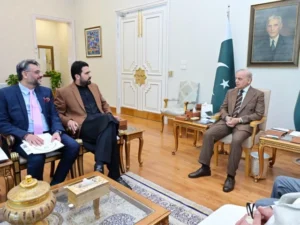
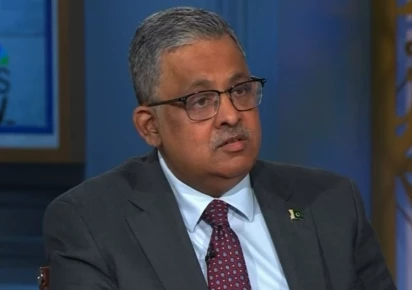
In a rapidly shifting global political landscape, diplomatic mediation has once again placed Pakistan in the international spotlight. The country’s role as a neutral facilitator in sensitive negotiations between the United States and Iran has drawn widespread attention from global observers. According to Pakistan’s Ambassador to the United States, Rizwan Saeed Sheikh, Islamabad is not acting as a decision-maker but as a bridge to bring both sides to the table.
At the heart of this development is the emerging narrative of Pakistan Facilitates Critical USA-Iran, which highlights Islamabad’s attempt to create space for dialogue in a conflict that has already impacted regional stability, global energy markets, and economic conditions worldwide.
The discussions, held in a tense geopolitical atmosphere, reflect how diplomacy still remains a powerful tool in resolving high-stakes conflicts when trust between major powers is limited.
Pakistan’s Role as a Neutral Facilitator
Pakistan has consistently positioned itself as a country that supports dialogue over confrontation. In this case, its diplomatic mission is clear: bring Washington and Tehran into direct communication without imposing any solution.
The concept of Pakistan Facilitates Critical USA-Iran reflects this neutral approach, where Islamabad’s responsibility is limited to enabling engagement rather than influencing outcomes. Ambassador Sheikh emphasized that facilitation means creating conditions where both parties can negotiate freely and determine their own terms.
This approach is consistent with Pakistan’s broader foreign policy tradition, which has often involved mediation in regional and international disputes. The country’s geographical position and diplomatic relations with both Western and Middle Eastern nations make it a strategic intermediary in such conflicts.
High-Level Negotiations and Strategic Context
The ongoing talks between the United States and Iran come at a time of heightened tension in the Middle East. The conflict, which has already stretched for weeks, has resulted in significant human and economic losses, including disruption to energy supplies and increased inflationary pressure across global markets.
Against this backdrop, Pakistan Facilitates Critical USA-Iran becomes more than just a diplomatic phrase. It represents an attempt to stabilize a volatile situation through structured dialogue.
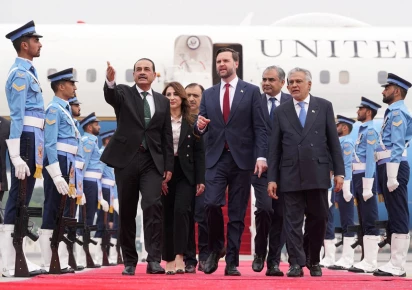
According to reports, high-level delegations from both countries have gathered to explore possible pathways toward de-escalation. The United States delegation includes senior officials and envoys, while the Iranian side is represented by key political and foreign ministry figures.
Pakistan’s role remains strictly facilitative, ensuring that communication channels remain open and productive.
Ambassador Sheikh’s Key Statements
During his appearance on NBC’s Meet the Press NOW, Ambassador Rizwan Saeed Sheikh provided deeper insight into Pakistan’s diplomatic stance. He explained that success in negotiations is not defined by victory for one side, but by whether both sides leave the table with a workable level of agreement or disagreement.
In this framework, Pakistan Facilitates Critical USA-Iran by encouraging a negotiation environment where both parties can express concerns and seek common ground without external pressure.
He also highlighted that Pakistan’s role extends to offering advice only when requested, reinforcing the principle of non-interference. According to him, diplomacy is most effective when all parties feel ownership of the outcome.
The ambassador’s remarks also emphasized Pakistan’s long-standing belief in constructive engagement. This philosophy has shaped its involvement in various international discussions over the years.
Diplomatic Efforts and International Coordination
One of the most notable aspects of this development is the level of international coordination involved. According to Sheikh, multiple countries, including Turkey, Saudi Arabia, and Egypt, have also contributed efforts toward bringing the parties to the negotiating table.
This collective diplomatic push strengthens the importance of Pakistan Facilitates Critical USA-Iran, as it demonstrates that global peace efforts often require collaboration between multiple stakeholders.
Pakistan’s leadership reportedly received a significant number of international calls showing support for its role in facilitating dialogue. This reflects growing global recognition of Pakistan’s diplomatic relevance in sensitive geopolitical matters.
Such multilateral involvement indicates that the situation is not isolated but part of a broader international effort to prevent escalation and restore stability.
Global Impact and Economic Concerns
The ongoing conflict between the United States and Iran has already had far-reaching consequences beyond the political sphere. Energy markets have experienced instability, inflationary trends have intensified, and global trade routes have faced disruptions.
In this context, Pakistan Facilitates Critical USA-Iran highlights an effort to address not just political disagreements but also the economic fallout affecting millions worldwide.
By supporting dialogue, Pakistan indirectly contributes to global economic stability. Even small diplomatic breakthroughs in such negotiations can lead to improved investor confidence and reduced market volatility.
The situation also underscores how interconnected modern geopolitics has become, where regional conflicts can quickly transform into global economic challenges.
International Reactions and Diplomatic Expectations
Reactions from the international community have largely been cautiously optimistic. While no immediate resolution is expected, the fact that both parties are engaged in direct talks is seen as a positive development.
Ambassador Sheikh noted that over 50 calls of support were received in a single day, reflecting the level of global attention this diplomatic process has attracted.
Within this environment, Pakistan Facilitates Critical USA-Iran serves as a symbolic representation of hope for gradual de-escalation. The expectation is not immediate peace but steady progress toward reduced tensions and structured dialogue.
Diplomats stress that even if full agreement is not achieved, maintaining communication channels is itself a major success.
Conclusion: A Step Toward Constructive Diplomacy
As negotiations continue in Islamabad, the world watches closely to see whether this diplomatic effort will lead to meaningful progress. Pakistan’s role remains defined by neutrality, facilitation, and encouragement of dialogue between conflicting parties.
The essence of Pakistan Facilitates Critical USA-Iran lies in its commitment to bringing adversaries together without imposing outcomes. It reflects a broader principle of modern diplomacy: that lasting solutions emerge through conversation, not confrontation.
While the final outcome remains uncertain, the ongoing process demonstrates the importance of diplomatic engagement in resolving complex international disputes.
In a world increasingly shaped by conflict and competition, initiatives like Pakistan Facilitates Critical USA-Iran offer a reminder that dialogue remains the most powerful tool for peace.