
Pakistan Afghanistan Peace Talks 2025: 1 Hope, 2 Fears
Pakistan Afghanistan Peace Talks 2025: Fragile Hope After Fierce Clashes
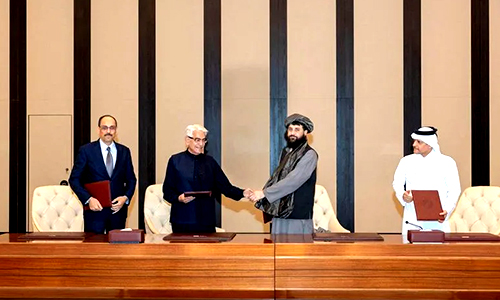
After a week of deadly border clashes that left dozens dead and hundreds injured, Pakistan and Afghanistan have agreed to an immediate ceasefire following high-stakes peace talks in Doha, mediated by Qatar and Turkey.
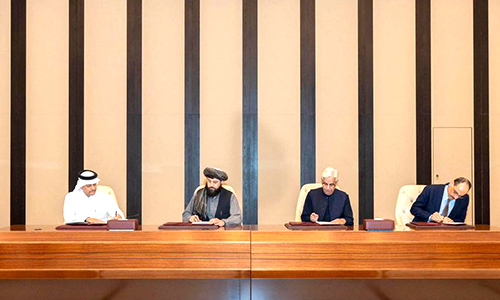
The agreement marks the most significant diplomatic engagement between the two neighbors since the Taliban seized power in Kabul in 2021 — yet questions remain about whether this truce will last.
The Ceasefire Agreement
Pakistan’s Defense Minister Khawaja Muhammad Asif confirmed the breakthrough, posting on X (formerly Twitter) that a “ceasefire has been finalized.” He added that both sides would meet again on October 25 in Istanbul to discuss “detailed matters.”
The Taliban’s spokesperson Zabihullah Mujahid echoed the statement, confirming that both countries agreed on a “complete and meaningful ceasefire.” According to Qatar’s foreign ministry, these follow-up meetings aim “to ensure the sustainability of the ceasefire and verify its implementation in a reliable and lasting manner.”
Background: From Allies to Adversaries
Pakistan and Afghanistan share not only a 2,600 km border but also decades of political, ethnic, and religious ties. However, since the Taliban’s return to power, relations have sharply deteriorated.
The Pakistani government accuses Kabul of harboring militants who launch attacks across the border. The Taliban, on the other hand, accuses Islamabad of spreading misinformation and supporting Islamic State-linked factions to destabilize Afghanistan.
The recent escalation began after a suicide bombing near the border killed seven Pakistani soldiers and injured 13 others. In response, Pakistan carried out airstrikes across the border — strikes the Afghan government labeled as “unprovoked aggression.”
Pakistan Afghanistan Peace — The Positive Side
Despite tensions, the Doha talks provide some much-needed optimism. Here are the key positive aspects:
1. Return to Diplomacy
Both nations opted for negotiation over retaliation, signaling a willingness to prevent further bloodshed.
2. International Mediation
With Qatar and Turkey acting as mediators, the talks carry international legitimacy and oversight, which can help ensure accountability.
3. Mutual Commitments
For the first time, the Taliban publicly stated that Afghan soil will not be used against any other country, addressing Pakistan’s long-standing concern about militant sanctuaries. Pakistan Afghanistan Peace Talks 2025: 1 Hope, 2 Fears
4. Step Toward Regional Stability
If the ceasefire holds, it could pave the way for trade cooperation, refugee management, and joint counterterrorism initiatives — essential for broader South Asian peace and security.
Negative Factors — Distrust and Accusations Remain
Unfortunately, peace in this region rarely comes without complications.
Just hours after the ceasefire extension on Friday, Afghanistan accused Pakistan of launching airstrikes in Paktika province, claiming civilian casualties — including three local cricketers. In protest, Afghanistan withdrew from next month’s T20 Tri-Series scheduled in Pakistan.
Pakistan’s Information Minister Attaullah Tarar rejected the allegations, stating that only “verified militant camps” were targeted. He also claimed that over 100 militants were killed during recent operations, most of them responsible for Friday’s suicide bombing.
This incident highlights how fragile the peace remains, as both governments struggle to control their respective narratives.
The Role of Militants and Cross-Border Tensions
For years, militant groups like Tehreek-e-Taliban Pakistan (TTP) have launched attacks on Pakistani soil, allegedly from bases inside Afghanistan. Islamabad insists that Kabul must rein in these elements if peace is to hold.
Pakistan’s Army Chief Field Marshal Asim Munir reiterated this stance during a recent speech:
“The Afghan regime must rein in the proxies who are using Afghan soil to carry out heinous attacks inside Pakistan.”
On the other hand, the Taliban government blames foreign interference and claims Pakistan is exaggerating security threats to justify its own cross-border strikes.
This ongoing blame game continues to be a major obstacle to sustainable Pakistan Afghanistan Peace.
International Reactions
Both Qatar and Turkey have welcomed the ceasefire as a critical step toward peace. The United Nations also released a statement calling the talks “a vital opportunity for regional stability and humanitarian relief.”
However, international observers remain cautious. Experts warn that without trust-building mechanisms, third-party monitoring, and credible enforcement, the ceasefire could collapse like many before it. Pakistan Afghanistan Peace Talks 2025: 1 Hope, 2 Fears
For example, according to one regional analyst:
“Peace between Pakistan and Afghanistan cannot survive without addressing the root causes — militant sanctuaries, refugee politics, and the power struggle inside Afghanistan.”
Challenges Ahead
-
Trust Deficit:
Both governments accuse each other of misinformation and covert hostility. This mutual distrust could derail progress. -
Lack of Joint Verification:
No independent body currently monitors border violations or ceasefire breaches. Without oversight, blame will continue. -
Militant Pressure:
Extremist factions on both sides oppose reconciliation. A single suicide attack or airstrike could destroy months of effort. -
Political Fragility:
With internal instability in both countries, sustaining long-term dialogue requires consistent leadership and international support.
The Road Ahead — What Will Determine Lasting Peace
If Islamabad and Kabul can move beyond blame and focus on shared economic interests, peace may finally take root. Trade corridors, infrastructure projects, and visa reforms could transform the border into a zone of cooperation rather than conflict. Pakistan Afghanistan Peace Talks 2025: 1 Hope, 2 Fears
Moreover, joint anti-terror operations, transparent communication channels, and media restraint will be vital in preventing future escalations. Pakistan Afghanistan Peace Talks 2025: 1 Hope, 2 Fears
Still, lasting Pakistan Afghanistan Peace will depend on whether both sides treat this ceasefire as a beginning, not an end.
Conclusion
The latest ceasefire between Pakistan and Afghanistan is both a sign of hope and a test of patience. After years of conflict, the fact that both sides are talking instead of fighting is progress in itself. Pakistan Afghanistan Peace Talks 2025: 1 Hope, 2 Fears
But peace in South Asia has always been fragile. Unless trust replaces blame, and action replaces rhetoric, this ceasefire could end like so many others — in smoke and sorrow. Pakistan Afghanistan Peace Talks 2025: 1 Hope, 2 Fears
For now, though, the world watches Doha — hoping that this time, peace might actually hold.
Read More:
Pakistan and Afghanistan agree to immediate ceasefire after peace talks in Doha
Afghanistan, Pakistan agree to immediate ceasefire after talks in Doha



Pingback: Pakistan Afghan Taliban Talks Day 3 Ends in Deadlock Despite