
Pakistan Afghan Taliban Talks Day 3 Ends in Deadlock Despite Strong Push
Pakistan Afghan Taliban Talks in Istanbul End Without Breakthrough: Hopes Fade, Stakes Rise
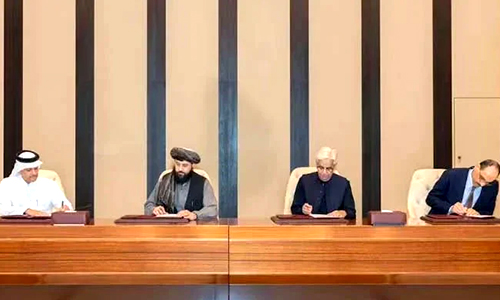
The third day of Pakistan Afghan Taliban talks in Istanbul ended on Monday without a breakthrough, underscoring deep divisions and a lack of trust between the two sides. Despite mediation efforts by Türkiye and Qatar, both delegations failed to find common ground on Pakistan’s key counterterrorism demands.
According to Geo News, Pakistan insisted that the Taliban regime must stop offering safe havens to militants — particularly the Tehreek-e-Taliban Pakistan (TTP) — and take concrete action against cross-border terrorism. However, the Afghan side, reportedly acting under direct orders from Kabul, refused to make any binding commitments.
Pakistan’s Position: No Compromise on Security
Pakistan’s delegation entered the Istanbul talks with a clear and firm stance:
-
The Afghan Taliban must dismantle all terror networks operating from their soil.
-
Cross-border attacks targeting Pakistani forces must end permanently.
-
A monitoring mechanism should be established to ensure compliance and accountability.
Security sources told The Express Tribune that Pakistan’s position remains “logical, firm, and essential for lasting peace.” Mediators reportedly agreed that Islamabad’s demands were both reasonable and necessary for regional stability. Pakistan Afghan Taliban Talks Day 3 Ends in Deadlock Despite Strong Push
Yet, despite repeated reminders and diplomatic pressure, no encouraging response came from Kabul, creating a prolonged deadlock.
Taliban Delegation Under Kabul’s Control
Sources familiar with the talks said that the Afghan Taliban delegationPakistan Afghanistan Peace Talks 2025: 1 Hope, 2 Fears appeared to be taking constant instructions from Kabul — a dynamic that slowed decision-making and complicated the negotiations.
“The delegation is under Kabul’s tight control,” one security insider said, “and that has made meaningful progress almost impossible.”
This situation suggests that even within the Taliban hierarchy, there are internal disagreements and hesitations about engaging with Pakistan in good faith. The Istanbul talks, originally meant to restore trust and stabilize the volatile border region, have instead highlighted just how fractured the relationship has become.
Mediation Efforts by Türkiye and Qatar
Both Türkiye and Qatar played key roles in organizing the three-day round of discussions, hoping to calm tensions after recent deadly clashes along the Pakistan-Afghanistan border.
As reported by Dawn, mediators urged both sides to focus on “realistic goals and mutual security.” Turkish officials reportedly emphasized that Pakistan’s counterterrorism demands were consistent with international norms and regional peace objectives.
Qatari diplomats, meanwhile, sought to bridge the gap by helping the Afghan delegation understand the evidence and urgency of Pakistan’s concerns. However, their efforts have so far failed to break the stalemate.
Reasons Behind the Deadlock
Analysts point to several factors behind the failure of the third-day session:
-
Rigid Positions: Both sides entered the talks with uncompromising attitudes. Pakistan wanted tangible commitments; the Taliban preferred vague assurances.
-
Lack of Trust: Years of cross-border tension and mutual suspicion have eroded confidence in dialogue.
-
Internal Taliban Politics: The Afghan delegation’s limited authority and dependence on Kabul’s direction made negotiations slow and uncertain.
-
Regional Pressure: External players — including India and Iran — may have indirect influence over Kabul’s calculations, complicating the peace process.
-
Security Calculations: Pakistan views the TTP as an existential threat, while the Taliban see them as ideological “brothers,” making counterterrorism cooperation inherently difficult.
Escalation on the Ground
The latest round of talks follows deadly border clashes earlier this month, when Taliban fighters, reportedly backed by TTP militants, launched unprovoked attacks on Pakistani border posts. Pakistan Afghan Taliban Talks Day 3 Ends in Deadlock Despite Strong Push
Pakistan’s Armed Forces responded with precision strikes in Kandahar and Kabul, destroying multiple militant strongholds, as confirmed by Reuters.
Over 200 militants were killed during the confrontations, while Pakistan lost 23 soldiers in action. Following the clashes, Islamabad closed its major border crossings, stressing that “the lives of Pakistanis are more important than trade or goods movement.” Pakistan Afghan Taliban Talks Day 3 Ends in Deadlock Despite Strong Push
This escalation has raised fears of a wider conflict if diplomacy fails. Pakistan’s Defence Minister even warned that the country “will not tolerate another proxy war” and could consider “open military action” if attacks continue (Reuters).
Kabul’s Resistance and Global Reactions
International observers have expressed concern over Kabul’s reluctance to cooperate. The Taliban’s insistence on sovereignty — while simultaneously allowing militant groups to operate freely — has frustrated mediators and weakened the peace narrative they promote abroad.
The United Nations and regional powers such as China and Iran are monitoring the situation closely. They have urged both countries to resolve their differences through dialogue, warning that prolonged hostility could destabilize the broader region.
What’s Next for Pakistan Afghan Taliban Talks?
Despite the setbacks, the continuation of talks — even without progress — shows that both sides still value diplomacy over confrontation. As one senior Pakistani official told Dawn, “The fact that they’re still talking is better than silence.”
However, real success will depend on whether the Taliban are willing to acknowledge ground realities and take decisive action against militant groups threatening Pakistan’s peace.
If Kabul remains inflexible, future rounds may prove futile — and Islamabad could be forced to pursue tougher military or diplomatic options. Pakistan Afghan Taliban Talks Day 3 Ends in Deadlock Despite Strong Push
Conclusion
The Istanbul round of the Pakistan Afghan Taliban talks has exposed more challenges than solutions. Pakistan’s demands are clear and aligned with international expectations, but the Taliban’s hesitance has pushed the process into uncertainty.
While Türkiye and Qatar continue to mediate, time is running out. Both nations must act with sincerity if they wish to prevent another cycle of violence on their shared border. Pakistan Afghan Taliban Talks Day 3 Ends in Deadlock Despite Strong Push


Pingback: Taliban Dire Acknowledgment TTP & Other Vicious Terror 2025