
Pakistan 27th Amendment Constitutional : What It Means for Defence and Politics
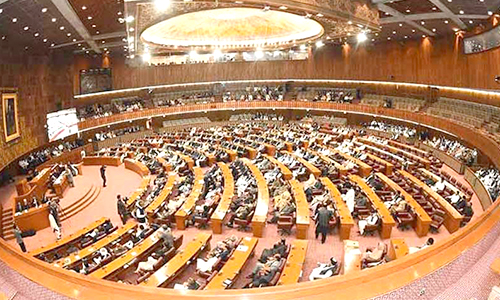
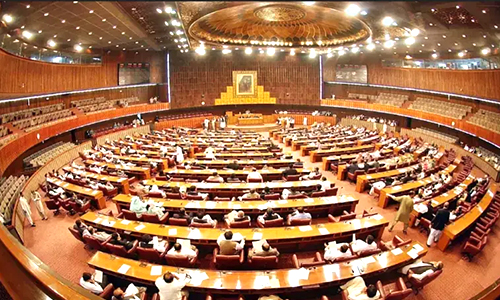
The federal government, led by the Pakistan Muslim League-Nawaz (PMLN), is putting the final touches on the 27th Constitutional Amendment Bill — a package that could reshape parts of the country’s defence, judicial, and administrative structure. Officials expect the draft to be ready by Thursday, approved by the federal cabinet on Friday, and tabled before the Senate the same day.
This development is being described as one of the most ambitious reform moves in recent years. It seeks to tighten coordination among Pakistan’s armed forces, modernize constitutional processes, and align the state’s governance with new defence realities.
Strengthening the Defence Framework
At the heart of the proposed amendment lies a clause focused on streamlining cooperation among the Army, Navy, and Air Force. The aim is to make Pakistan’s defence setup more unified, agile, and capable of responding swiftly to any foreign threat.
Officials involved in drafting the amendment say this idea emerged after lessons learned from recent military stand-offs with India and from studying modern warfare trends across the world. In today’s age, technology, coordination, and rapid decision-making often matter more than the size of the force.
The proposal reportedly amends Article 243 of the Constitution — which defines the command and control of the armed forces. The amendment would strengthen how the federal government manages strategic coordination, ensuring faster communication and more efficient planning in emergencies.
Building Political Consensus Pakistan 27th Amendment
The PMLN is also working to ensure that the amendment gets smooth approval from Parliament. Prime Minister Shehbaz Sharif, along with senior party members, has already met President Asif Ali Zardari and Bilawal Bhutto Zardari of the Pakistan Peoples Party (PPP) to discuss the package.
While the PPP agrees with most of the proposed changes, it has some reservations — mainly regarding the National Finance Commission (NFC) Award, which determines the financial share of provinces. Party leaders say they won’t back any proposal that might reduce provincial rights or alter the constitutional guarantees of their share in national revenue.
This shows that, even though the amendment is being presented as a defence-related reform, it touches sensitive political and constitutional areas that affect power balance between the centre and provinces.
What’s Inside the Amendment Package?
According to Bilawal Bhutto Zardari, who first disclosed the details publicly, the Pakistan 27th Amendment includes several major proposals:
-
Creation of Constitutional Courts with representation from every province.
-
Restoration of Executive Magistrates, a system that once helped improve local administration.
-
Allowing the Judicial Commission of Pakistan (JCP) to handle the transfer of judges.
-
Changes to Article 243 concerning military command.
-
Bringing education and population planning back under federal control.
Each of these reforms, if implemented, will mark a notable shift in how the Constitution divides powers among Pakistan’s institutions.
Defence Minister’s Viewpoint Pakistan 27th Amendment
Defence Minister Khawaja Asif confirmed that consultations were ongoing about possible amendments to military laws. In a conversation with Geo News, he said the defence requirements of the country have changed, and so should the legal framework governing them.
“Consultations on amending Article 243 are under way. Defence needs have evolved. This entire process will be carried out through mutual consultation,” he explained.
The minister added that discussions were taking place with all political parties, and he expected consensus within the next few days. If all goes as planned, the amendment could be formally introduced in Parliament next week. Pakistan 27th Amendment
He also revealed that the creation of a separate Constitutional Court was being considered. According to him, constitutional cases make up only about six percent of all legal matters but take much longer to resolve. A specialized court could help speed up such cases and improve judicial efficiency.
“Constitutional benches are often called a ‘court without a court.’ We want to fix that,” he remarked.
The Broader Impact
Although the Pakistan 27th Amendment focuses on defence, it represents a much broader institutional change. The reform could result in:
-
Better national security coordination, with all military branches operating under a more connected system.
-
Faster constitutional justice, through the creation of a dedicated court.
-
Stronger administrative control, by restoring the executive magistrate system.
-
Central oversight of education and population policies, aimed at consistency across provinces.
At the same time, it raises important constitutional questions. Critics worry that returning certain subjects to the federal list might undermine the spirit of the 18th Amendment, which had empowered provincial governments.
The Challenges Ahead Pakistan 27th Amendment
The government still faces several hurdles before it can celebrate this reform:
-
Political Unity: The coalition must stay united and gather enough votes to pass the amendment.
-
Provincial Concerns: Provinces like Sindh and Balochistan are sensitive about any changes to the NFC Award or provincial autonomy.
-
Legal Questions: Proposals about transferring judges or creating new courts could face judicial resistance.
-
Timing: The government has already asked lawmakers abroad to return home to ensure a full quorum for the vote — a sign that every vote will count.
A “Bold Tech Win Sparks” Moment for Pakistan?
Some observers call this move Pakistan’s “Bold Tech Win Sparks” moment — a time when political reform, defence restructuring, and technology-based coordination might finally come together.
In modern military operations, digital systems, intelligence sharing, and real-time decision-making play an increasingly central role. By reforming how the armed forces coordinate, the government could pave the way for a more technology-driven and integrated command structure.
If executed with consensus and clarity, this amendment could be remembered as a turning point — not only for Pakistan’s defence institutions but for the modernization of its entire governance model.
Final Thoughts Pakistan 27th Amendment
The Pakistan 27th Amendment Constitutional Bill could become one of the defining moments in Pakistan’s constitutional history. It blends defence modernization with political restructuring, aiming to build a faster, more unified national system.
Still, the government must handle it carefully. While efficiency and unity are good goals, they shouldn’t come at the cost of provincial rights or judicial independence. The success of this amendment will depend on how transparently it’s debated, how fairly it’s executed, and how sincerely the government listens to dissenting voices.
If managed wisely, this reform could strengthen both Pakistan’s institutions and its democracy. But if rushed or mishandled, it might open a new round of political conflict — something the country can ill afford right now. Pakistan 27th Amendment Draft Targets 6 Key Military Reforms
More Read:
For a deeper look at Pakistan’s evolving defence and political structure, visit this detailed report.
Pakistan 27th Amendment Draft Targets 6 Key Military Reforms



Pingback: Parliament panel clears 27th Amendment draft bill
Pingback: Top judges quit as 27th amendment becomes law sparking