Legends Captain Cricketers Demand 7 Powerful Calls for Imran Khan’s Care
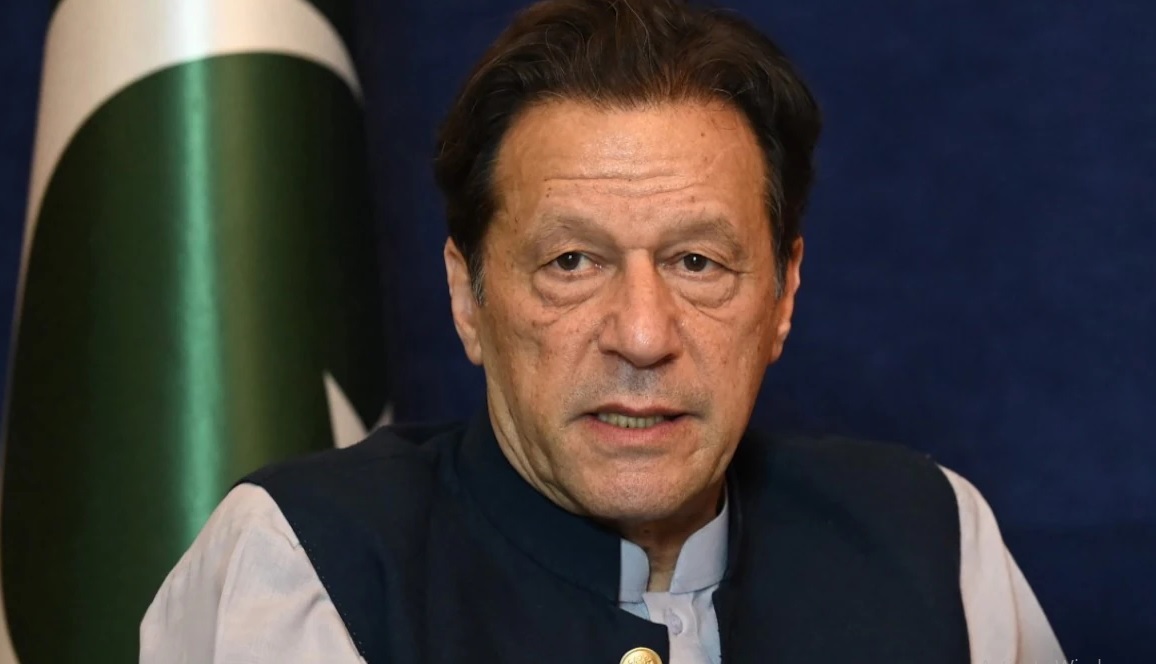
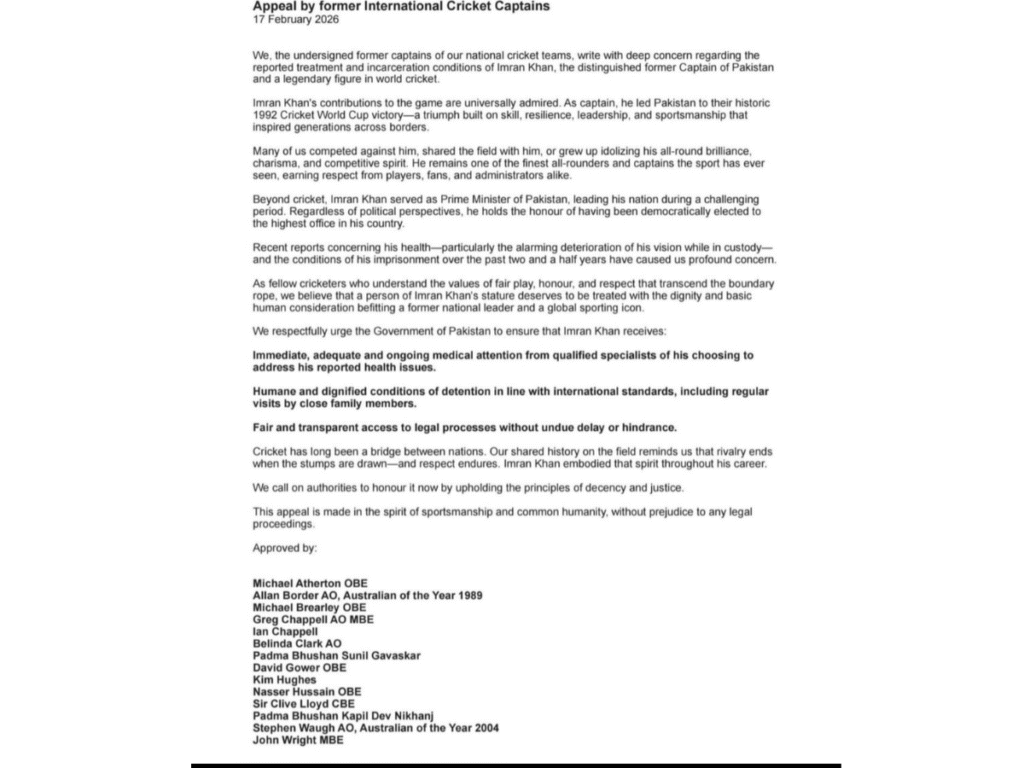
In a move that has captured headlines from Islamabad to London, a group of Legends Captain Cricketers Demand that the Pakistani government provide immediate and specialized medical care to the embattled leader, specifically citing a “frightening” deterioration in his eyesight.
This is not merely a political story; it is a human one. What makes this document particularly potent is the caliber of the signatories. We aren’t just looking at colleagues; we are looking at the architects of modern cricket. When Legends Captain Cricketers Demand better treatment for a peer, the world listens.
The list of fourteen former captains includes two of India’s most iconic figures, Sunil Gavaskar and Kapil Dev. Other signatories include Australian greats like Allan Border, Ian Chappell, and Greg Chappell, as well as West Indian legend Clive Lloyd and England’s David Gower and Michael Brearley.
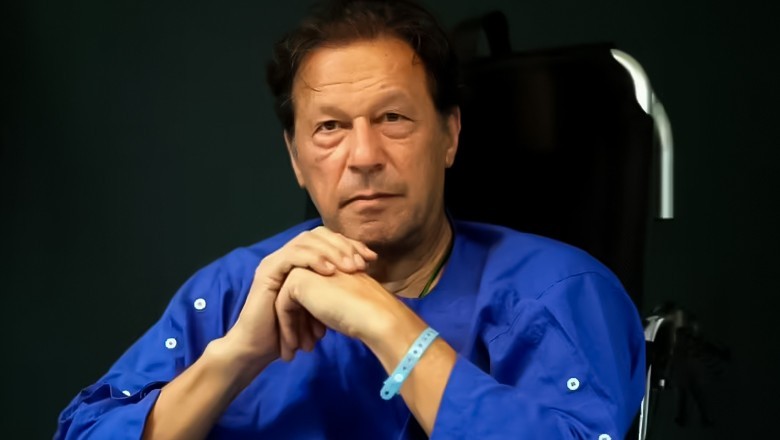
These men, who once strategized on how to take Imran Khan’s wicket or survive his lethal reverse swing, are now strategizing for his survival. They wrote that Khan deserves to be treated with “dignity and basic human consideration,” expressing profound concern over reports that the 73-year-old has lost a significant portion of his vision in his right eye.
The Medical Crisis: A Blinding Injustice?
The core of the current outcry centers on a medical report that surfaced in February 2026. According to Khan’s legal team and personal physician, the former Prime Minister has lost roughly 85% of the vision in his right eye. For a man who was once celebrated for his incredible hand-eye coordination and physical prowess, this news has been a bitter pill for his supporters to swallow.
While the government in Islamabad has been quick to label these claims as “propaganda,” the Legends Captain Cricketers Demand transparency. They are not asking for a political pardon; they are asking for the right to health. The letter urges the government to allow Khan access to “qualified specialists of his choosing.”
Medical boards recently examined Khan in Adiala Jail, claiming some “significant recovery,” but his family and personal physician, Dr. Aasim Yusuf, remain skeptical. The fear is that the harsh conditions of solitary confinement—described by some as a “death cell”—and the lack of natural light are contributing to irreversible ocular damage.
This was evident on Wednesday when PTI lawmakers and allies ended a days-long sit-in outside the parliament. The protest was specifically aimed at forcing the government to shift Khan from the confines of prison to a proper medical facility.
The fact that Legends Captain Cricketers Demand intervention adds a layer of international pressure that the Sharif government cannot easily ignore. When the likes of Wasim Akram, Waqar Younis, and Shoaib Akhtar also speak out, it creates a domestic echo of the international call for justice.
From the World Cup to the PMO
To understand why this appeal carries such weight, one must look at the legacy of the man in question. The letter mentions that “rivalry ends when the stumps are drawn—and respect endures.” This sentiment resonates with fans worldwide who grew up idolizing Khan.
The signatories are clear: this is about “decency and justice.” By holding a former head of state in conditions that allegedly lead to physical disability, the state risks damaging its international standing. The group of captains, spanning six decades of the sport, emphasized that their plea is rooted in sportsmanship and common humanity, not political prejudice.
The Road Ahead: Hospital or Continued Custody?
Whether you agreed with his policies or his bowling action, the human rights of the individual must be upheld. The Legends Captain Cricketers Demand that the principles of fair play be applied not just on the grass of Lord’s or the MCG, but in the corridors of power in Islamabad.
Will the government heed the call of these sporting giants? Or will the “propaganda” war continue while a 73-year-old icon loses his vision? The eyes of the world—and the eyes of the legends who signed that letter—are firmly fixed on Pakistan.