
K-P Halts Mineral Bill After Fierce 5-Point Backlash and Growing Anger
Crisis Averted? Why the KP Government Halts Mineral Bill After Intense Backlash
The political landscape of Khyber-Pakhtunkhwa (K-P) has reached a boiling point this week as a major legislative U-turn takes center stage. In a move that highlights the power of public dissent and internal party friction, the provincial administration has officially retreated from its latest attempt to restructure the region’s lucrative mining sector.
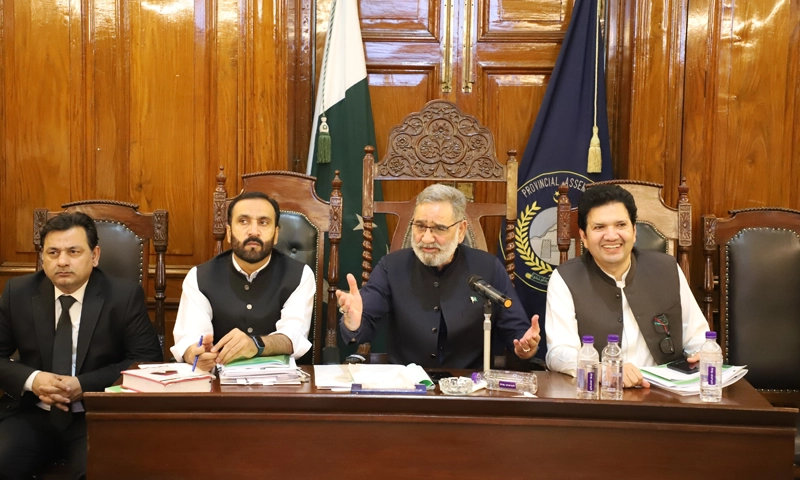
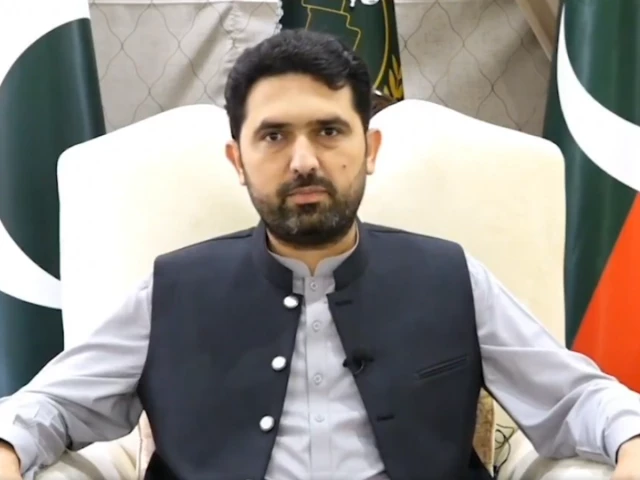
The decision to pause the implementation of the Khyber-Pakhtunkhwa Mineral Development Company Bill comes as a significant moment for the administration of Chief Minister Sohail Afridi, proving that even a settled cabinet decision is not immune to the weight of public trust.
As the administration Halts Mineral Bill After facing an onslaught of criticism from both the opposition and its own party ranks, the focus has shifted to whether this is a permanent withdrawal or a strategic pause.
A Government in Retreat: Public Trust Over Policy
Chief Minister Sohail Afridi, in a series of candid social media messages and public statements, clarified that his government’s foremost priority is maintaining the confidence of the people. The optics of the bill were problematic from the start; many viewed it as a “backdoor” attempt to reintroduce the widely rejected Mines and Minerals Act of 2025. That previous piece of legislation, introduced during Ali Amin Gandapur’s tenure, was famously scrapped following a direct intervention by the Pakistan Tehreek-e-Insaf (PTI) founding chairman.
By announcing that the government Halts Mineral Bill After realizing the depth of public apprehension, Afridi is attempting to signal a “people-first” governance model. He emphasized that the proposed company was intended to function similarly to existing provincial entities in the oil, gas, and energy sectors—aimed at curbing the “mining mafia” and ensuring that royalties benefit the local population rather than illegal syndicates. The core of their argument was simple: no law regarding the province’s minerals should be passed without the explicit blessing of the party’s top leadership.
The backlash was so severe that the government had to issue multiple clarifications. Officials argued that the “Mines and Minerals Act” (which deals with the legal framework of mining) is distinct from the “Mineral Development Company Bill” (which deals with the corporate management of assets). Despite these technical distinctions, the political reality was that the government had lost control of the narrative. As the provincial leadership Halts Mineral Bill After this internal revolt, it serves as a stark reminder that in K-P, the grassroots base often dictates the limits of legislative power.
Lessons from the 2025 Mines and Minerals Controversy
To understand why the current administration Halts Mineral Bill After such a brief period, one must look back at the ghost of the 2025 Mines and Minerals Act. That bill was perceived as a direct assault on the 18th Amendment and provincial sovereignty. The government has clarified that the legislative process is not being killed but merely “put on hold” for further consultation and auditing.
However, the fact that the cabinet Halts Mineral Bill After such an public outcry suggests that the path to mineral reform in K-P is fraught with peril. Any future attempt to regulate this sector will require a level of transparency and stakeholder engagement that has been noticeably absent so far. The government’s intent to eliminate the influence of mining mafias is noble, but the execution must be flawless to avoid the appearance of a “resource grab.”
Geopolitical Pressures and Economic Sovereignty
The timing of this legislative attempt also coincided with broader economic pressures. With the federal government looking to attract foreign investment through the Special Investment Facilitation Council (SIFC), the provinces are under pressure to “harmonize” their mineral laws. Yet, K-P remains the most resistant to this trend. As the K-P government Halts Mineral Bill After external and internal pressures converge, it reinforces the province’s role as the watchdog of the 18th Amendment.
The economic stakes are incredibly high. K-P sits on vast reserves of marble, gemstones, and rare earth minerals. If managed correctly, these resources could solve the province’s fiscal deficits. But as the administration Halts Mineral Bill After failing to build a consensus, these resources remain locked behind a wall of political instability and mutual distrust between the state and the people.
Looking Ahead: The Future of K-P’s Natural Wealth
What happens next? The government has indicated that it will use this hiatus to conduct audits and compliance checks on existing operations. The goal remains to create a “Mineral Development Fund” that directly invests in the infrastructure of mining districts like Chitral, Swat, and the merged tribal areas.
But for now, the message from Peshawar is clear: public trust is the currency of power. By ensuring the government Halts Mineral Bill After the backlash, the Chief Minister has bought himself time. Whether he can use that time to draft a bill that satisfies the party’s founding chairman, the small-scale miners, and the general public remains to be seen.
Conclusion: A Victory for Democratic Oversight
The suspension of the Mineral Development Company Bill is a victory for democratic oversight in a region where such victories are often rare. It proves that the provincial assembly and the cabinet cannot operate in a vacuum. As the K-P government Halts Mineral Bill After realizing the risks of ignoring its base, the 2026 political calendar in Peshawar looks set to be dominated by the struggle over who truly owns the “wealth beneath the mountains.”